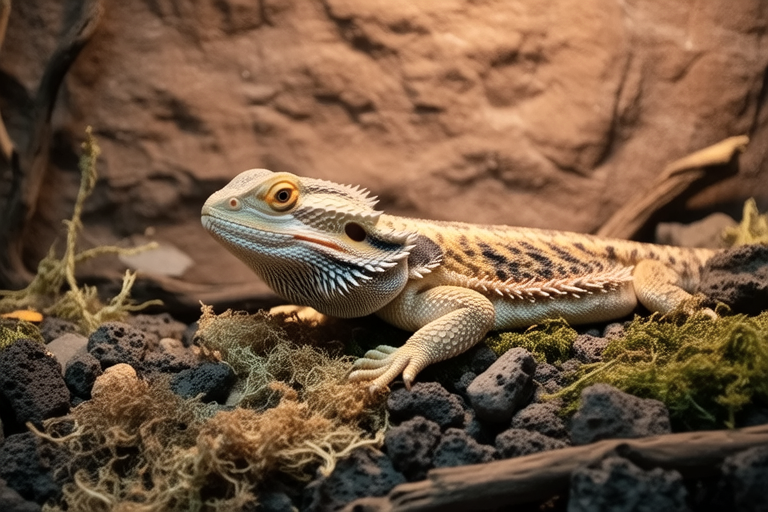
Transforming Your Home into the Perfect Habitat for a Bearded Dragon
Welcome to the fascinating world of bearded dragons! These charismatic reptiles have become increasingly popular pets due to their docile nature and relatively low maintenance requirements. However, creating a perfect habitat for your bearded dragon is crucial for its health and well-being. This comprehensive guide will walk you through everything you need to know about setting up the ideal environment for your scaly friend.
Essential Components of a Bearded Dragon’s Habitat
Tank Size
The first step in transforming your home into the perfect habitat for a bearded dragon is selecting the right tank size. For a juvenile bearded dragon, a 20-gallon tank is sufficient; however, as they grow, they require larger spaces. Adult bearded dragons thrive in enclosures that are at least 40 gallons or more. A spacious tank allows them ample room to move around, bask, and explore, which is vital for their physical and mental health.
Heating
Bearded dragons are ectothermic, meaning they rely on external sources for body heat regulation. Therefore, providing adequate heating is essential. Install a heat lamp on one side of the tank to create a basking spot where the temperature ranges between 95°F and 110°F (35°C to 43°C). Ensure there’s also a cooler area within the enclosure, ideally around 75°F to 85°F (24°C to 29°C), so your pet can regulate its body temperature effectively. Always use a reliable thermometer to monitor these temperatures accurately.
Lighting
UVB lighting is crucial for bearded dragons, as it aids in calcium absorption and vitamin D synthesis, which are vital for bone health. Invest in a high-quality UVB light that covers approximately 60% of the tank’s surface. Position this light over the basking area to mimic natural sunlight. Replace the bulb every six months, even if it still appears functional, as UVB output diminishes over time. Additionally, provide a full-spectrum fluorescent light to ensure a consistent day-night cycle, typically 12 hours of light followed by 12 hours of darkness.
Substrate
Selecting the right substrate is critical to prevent impaction and other health issues. Avoid loose substrates like sand or wood shavings, as they pose choking hazards and can lead to digestive problems if ingested. Instead, opt for safer alternatives such as reptile carpet, paper towels, or ceramic tiles. These materials are easy to clean and maintain, ensuring a hygienic living space for your bearded dragon.
The Importance of UVB Lighting and Basking Spots
UVB lighting plays a pivotal role in maintaining the overall health of your bearded dragon. Without it, they may suffer from metabolic bone disease, characterized by weakened bones and deformities. By providing adequate UVB exposure, you enable your pet to produce vitamin D3 naturally, facilitating efficient calcium absorption from its diet. Place the UVB light directly above the basking spot to maximize effectiveness, ensuring that your bearded dragon spends significant time under it during the day.
Basking spots are equally important, offering a warm, comfortable area where your pet can thermoregulate and digest food efficiently. The optimal basking temperature falls within the range of 95°F to 110°F (35°C to 43°C). Position the heat lamp so that the basking spot remains within this temperature zone throughout the day. Regularly check the temperature with a digital thermometer to ensure accuracy and adjust the setup if necessary.
Suitable Decorations and Hiding Places
Incorporating decorations and hiding places enriches the environment, stimulating natural behaviors and promoting mental stimulation. Rocks, branches, and caves provide climbing opportunities and shelter, mimicking the dragon’s natural habitat. Arrange these items strategically to create distinct areas within the enclosure, encouraging exploration and exercise. Ensure all decorations are securely placed to prevent accidental injuries.
Dietary Needs and Feeding Habits
Bearded dragons are omnivorous, requiring a balanced diet consisting of both plant matter and protein. Offer a variety of vegetables such as collard greens, mustard greens, and dandelion leaves daily. Supplement these with fruits like berries and melons occasionally but sparingly, as excessive sugar intake can lead to obesity. For protein, feed crickets, dubia roaches, or mealworms, dusted with a calcium supplement to support bone health. Younger dragons need more frequent feedings, while adults can be fed less often.
Establish a consistent feeding schedule to maintain a healthy weight and avoid stress. Juvenile bearded dragons should be fed daily, whereas adults can be fed every other day. Monitor your pet’s appetite and adjust portion sizes accordingly. Provide fresh water daily, changing it regularly to prevent bacterial growth. Some bearded dragons prefer to drink from shallow dishes, while others may lap water sprayed onto their bodies.
Maintaining Hygiene and Safety in the Habitat
Regular cleaning is paramount to maintaining a safe and hygienic habitat for your bearded dragon. Spot clean the enclosure daily, removing any uneaten food or waste. Perform a thorough deep clean every two weeks, replacing substrate and scrubbing surfaces with mild soap and water. Allow the enclosure to air dry completely before reintroducing your pet.
Monitor for signs of illness, such as lethargy, loss of appetite, or unusual behavior. If you notice any concerning symptoms, consult a veterinarian specializing in reptiles immediately. Implementing quarantine procedures when introducing new animals helps prevent the spread of diseases within your collection. Additionally, ensure all equipment, including tanks and decorations, is free from sharp edges or toxic substances that could harm your pet.
In conclusion, transforming your home into the perfect habitat for a bearded dragon involves careful planning and attention to detail. By addressing key aspects such as tank size, heating, lighting, substrate, decorations, and feeding habits, you can create an environment that promotes health, happiness, and longevity for your beloved reptilian companion. With proper care and dedication, your bearded dragon will thrive in its new home, bringing years of joy and companionship.
