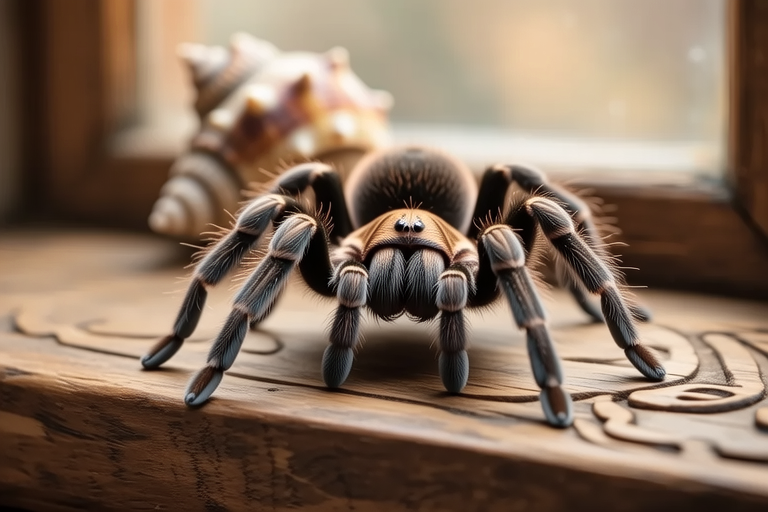
Adorable or Arachnophobe Trigger? Captivating Photos of Tarantulas at Home
Tarantulas, those eight-legged creatures that can send shivers down the spine of even the bravest souls, are often misunderstood. These fascinating arachnids play a crucial role in maintaining the balance of ecosystems around the world. From deserts to rainforests, tarantulas are found in various habitats, each species adapted to its unique environment. Despite their fearsome reputation, they are actually quite gentle and beneficial to their surroundings.
The Role of Tarantulas in Ecosystems
Tarantulas are vital predators, feeding on insects, small vertebrates, and other spiders. Their presence helps control pest populations, ensuring that ecosystems remain healthy and balanced. Contrary to popular belief, tarantulas are not aggressive towards humans. They are generally shy and will only attack if provoked. Their bite is usually no more harmful than a bee sting, although some species have venom potent enough to cause temporary discomfort.
Debunking Common Myths About Tarantulas
One of the most widespread misconceptions about tarantulas is that they are highly dangerous. While their size and appearance might be intimidating, tarantulas are not typically aggressive. Another myth is that tarantulas can jump great distances. In reality, they can only leap short distances, usually just enough to escape danger. Additionally, many believe that tarantulas are solitary creatures that live alone. However, some species, like the social tarantulas found in Central and South America, live in colonies and exhibit complex social behaviors.
Tarantulas as Pets: Care, Habitat, and Interaction
For those brave enough to venture into the world of exotic pets, tarantulas offer an exciting and rewarding experience. Keeping tarantulas as pets has gained popularity over the years, and it’s easy to see why. These unique creatures require minimal maintenance and are relatively easy to care for. The first step in owning a tarantula is selecting the right species. With over 900 known species, there is a wide variety of tarantulas available for pet ownership. Each species has its own set of characteristics, making it essential to choose one that suits your lifestyle and preferences.
When it comes to habitat requirements, tarantulas need a spacious enclosure that mimics their natural environment. The enclosure should be large enough to allow the tarantula to move freely and have plenty of hiding spots. A substrate of coconut fiber or bark chips works well, providing a comfortable and safe environment for the tarantula. Temperature and humidity levels must also be carefully controlled to ensure the tarantula’s health and well-being. Most tarantulas thrive in temperatures between 75-85°F (24-29°C) and humidity levels between 60-80%.
Feeding a tarantula is straightforward. They are carnivorous and primarily feed on insects such as crickets, mealworms, and dubia roaches. It’s important to gut-load the feeder insects with nutritious food before offering them to the tarantula. This ensures that the tarantula receives all the necessary nutrients for optimal health. Tarantulas are also known for their unique behavior during feeding. Some species, like the Chilean rose tarantula, will sit and wait for prey to come to them, while others, like the Mexican redknee tarantula, are more active hunters.
Interacting with a tarantula requires patience and respect. Tarantulas are sensitive creatures and can be easily stressed by sudden movements or loud noises. Handling a tarantula should be done with care, using a soft brush or tweezers to gently guide the spider. Many tarantula owners enjoy observing their pets’ daily routines, from feeding to molting. Molting is a natural process where the tarantula sheds its exoskeleton to grow. During this time, it’s essential to provide a humid environment and avoid handling the tarantula until it has fully recovered.
The Beauty and Uniqueness of Tarantulas
Tarantulas are truly captivating creatures, each species possessing its own distinct charm. Their vibrant colors and intricate patterns make them a sight to behold. Some species, like the pinktoe tarantula, have bright pink toes that contrast beautifully against their dark bodies. Others, like the Brazilian salmon pink bird-eating tarantula, have striking orange legs and a body that can reach up to 12 inches in diameter. The hairs on a tarantula’s abdomen are also remarkable, serving both as a defense mechanism and as sensory organs.
In addition to their physical attributes, tarantulas have fascinating behaviors that make them even more intriguing. For example, some species can produce silk from spinnerets located near their fangs. This silk is used to create webs for shelter or to catch prey. Other species, like the Mexican redknee tarantula, have a unique defense mechanism called “urticating hairs.” These tiny, barbed hairs can be flicked off the tarantula’s abdomen when threatened, causing irritation to the attacker’s skin or eyes.
Diverse Species Available for Pet Ownership
The diversity of tarantulas available for pet ownership is staggering. From the small and docile Chilean rose tarantula to the larger and more active Mexican redknee tarantula, there is a tarantula to suit every owner’s needs. Some species, like the Brazilian salmon pink bird-eating tarantula, are best suited for experienced owners due to their size and temperament. Others, like the zebra tarantula, are ideal for beginners because of their calm nature and ease of care.
One of the most appealing aspects of keeping tarantulas as pets is their adaptability. Unlike many other exotic animals, tarantulas do not require extensive space or specialized equipment. They can be housed in a simple terrarium with the appropriate substrate, temperature, and humidity levels. This makes them an excellent choice for apartment dwellers or those with limited space. Additionally, tarantulas are relatively low-maintenance compared to other pets. They do not need daily walks or constant attention, allowing owners to enjoy their company without the hassle of frequent care.
Addressing Both Appeal and Potential Fears
While tarantulas can be fascinating and beautiful creatures, they also evoke strong emotions in people. For some, the mere thought of a tarantula is enough to trigger an intense fear response. This fear, known as arachnophobia, is one of the most common phobias in the world. However, it’s important to remember that tarantulas are not inherently dangerous. With proper education and understanding, many people can overcome their fear and appreciate these incredible animals.
For those who are not afraid but curious about tarantulas, there is much to learn and discover. Whether you’re captivated by their unique appearance or intrigued by their behavior, tarantulas offer a window into the world of arachnids. By learning about their role in ecosystems, their care requirements, and their fascinating behaviors, we can gain a deeper appreciation for these misunderstood creatures. Encouraging readers to view tarantulas from a new perspective, we hope to inspire a sense of wonder and admiration for these extraordinary animals.
