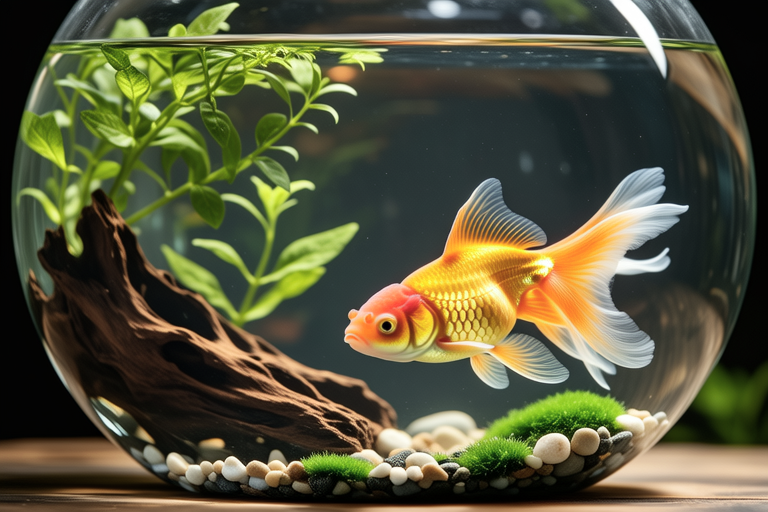
Beyond the Bowl: Creative Homes That Will Make Your Goldfish Happy
Goldfish are often purchased as small, seemingly low-maintenance pets, usually kept in glass bowls. However, these charming creatures have more complex needs than many people realize. Traditional fishbowls, while aesthetically pleasing, can be limiting for the health and happiness of your goldfish. This article will guide you through the world of creative and enriched habitats that can truly make your goldfish thrive.
The Limitations of Traditional Fishbowls
Traditional fishbowls lack the necessary space for goldfish to swim freely, which can lead to stress and health issues. Additionally, they offer limited oxygen levels and poor water circulation, contributing to rapid degradation of water quality. Goldfish produce a significant amount of waste, and without adequate filtration, ammonia and nitrite levels can rise to dangerous levels, leading to diseases such as fin rot or even death.
The Importance of Water Quality, Space, and Enrichment
For goldfish to live long and healthy lives, it’s crucial to maintain optimal water quality. Proper filtration, regular water changes, and appropriate temperature control are key factors in creating a healthy environment. Providing ample space allows goldfish to exhibit natural swimming patterns, reducing stress and promoting physical fitness. Enrichment, including plants, decorations, and varied tank layouts, stimulates their senses and encourages exploration, which is essential for their mental well-being.
Larger Aquariums: A More Suitable Habitat
One of the best alternatives to traditional fishbowls is a larger aquarium. A minimum size of 20 gallons is recommended for a single goldfish, with additional gallons required for each additional fish. This increased space provides ample room for swimming and reduces the concentration of waste products. When setting up a larger aquarium, consider the following:
- Filtration: Choose a filter that can handle at least four to six times the volume of the tank per hour. This ensures efficient removal of debris and harmful chemicals.
- Lighting: Opt for LED lights that mimic natural daylight cycles, promoting healthy growth of any live plants and providing a comfortable environment for your goldfish.
- Temperature Control: Maintain a stable temperature between 68°F and 74°F (20°C to 23°C) using a reliable heater and thermometer.
Adding live plants not only enhances the aesthetic appeal of the tank but also provides hiding spots and oxygenates the water. Suitable plants include Java fern, Amazon swords, and Anubias. Decorations such as caves, driftwood, and artificial plants further enrich the environment and encourage natural behaviors.
Ponds: A Natural Environment for Goldfish
For those with outdoor spaces, a pond offers a unique habitat that closely mimics a goldfish’s natural environment. Ponds provide vast open spaces for swimming and the opportunity to interact with other aquatic life. When setting up a pond, consider the following:
- Size: Aim for a pond that holds at least 100 gallons of water to accommodate the needs of your goldfish.
- Filtration: Install a robust biological filter to manage waste and ensure clear water.
- Water Depth: Maintain a depth of at least two feet to prevent freezing in colder climates.
Incorporate floating plants and submerged vegetation to provide cover and breeding areas. Ensure the pond has gradual sloping sides for easy access and a shallow area for basking in sunlight. Regular maintenance includes checking water quality, cleaning filters, and removing debris to keep the pond healthy.
Innovative Tank Designs: Going Beyond the Standard
Innovative tank designs offer creative solutions for goldfish owners looking to provide unique living spaces. Consider:
- Venturi Systems: These systems create strong water currents that mimic natural river flows, encouraging exercise and mental stimulation.
- BiOrb Tanks: These spherical tanks combine modern design with advanced filtration technology, making them ideal for small spaces.
- Custom Aquascapes: Design personalized landscapes with rocks, caves, and intricate plant arrangements to create a visually stunning and functional environment.
Regardless of the design, focus on ensuring proper filtration, adequate space, and enrichment elements to support the well-being of your goldfish.
Maintenance and Observing Signs of a Healthy, Happy Goldfish
To ensure your goldfish remain healthy and happy, regular maintenance is essential. Perform weekly water changes of about 25% to maintain water quality. Monitor water parameters such as pH, ammonia, nitrite, and nitrate levels using test kits. Clean filters regularly and inspect equipment for any malfunctions.
Observing your goldfish daily can help you recognize signs of good health:
- Active swimming behavior
- Clear eyes and fins
- Healthy appetite
- No visible sores or lesions
If you notice any unusual behaviors or physical symptoms, consult a veterinarian specializing in aquatic animals for guidance.
By moving beyond the traditional fishbowl and providing larger, more enriched habitats, you can significantly improve the quality of life for your goldfish. With careful planning and regular care, you’ll create a vibrant and stimulating home where your goldfish can thrive and bring joy for years to come.
