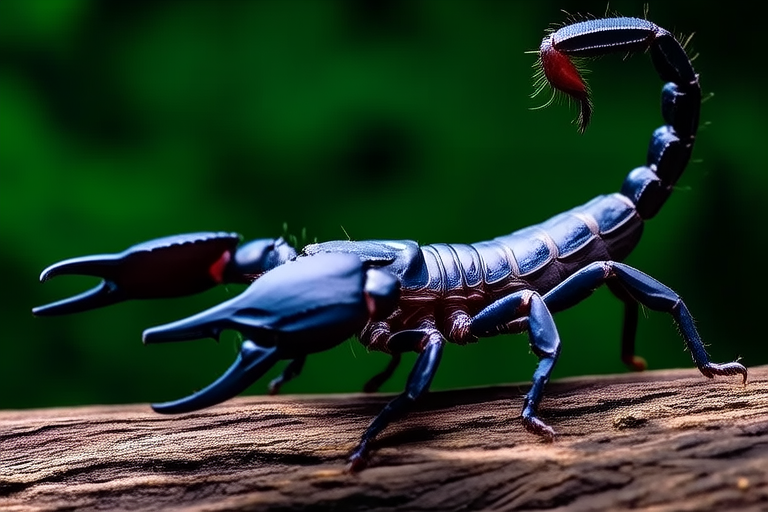
Heterometrus spinifer: The Underappreciated Giant Forest Spider
The world of arachnids is filled with fascinating creatures, each with unique traits that contribute to the rich tapestry of biodiversity. Among these, Heterometrus spinifer stands out as a giant forest spider with distinctive features that set it apart from its more famous counterparts. Despite its impressive size and ecological importance, this species remains largely underappreciated by the public. This article delves into the unique physical characteristics, habitat, behavior, and role of Heterometrus spinifer in its ecosystem. We will also explore common myths and misconceptions about the species, discuss conservation efforts, and highlight its significance in the spider kingdom.
Physical Characteristics
Heterometrus spinifer, commonly known as the spiny forest spider, is a large arachnid that can reach lengths of up to 10 centimeters, excluding leg span. Its body is covered in fine hairs, giving it a velvety appearance, and it sports a series of spines along its legs, particularly noticeable on the tibia and metatarsus segments. These spines serve multiple purposes, including defense against predators and aiding in prey capture. The coloration of the spider ranges from dark brown to black, often with subtle patterns that help it blend into the forest floor. Its robust build and long legs make it an imposing sight for both humans and smaller animals.
Habitat and Distribution
Native to Southeast Asia, Heterometrus spinifer thrives in tropical rainforests and bamboo thickets. It prefers areas with high humidity and dense vegetation, where it can find ample shelter and food. These spiders are often found near water sources, such as streams and rivers, which play a crucial role in their habitat. Their preference for humid environments ensures they remain hydrated and active throughout the year. Despite their adaptability, Heterometrus spinifer faces threats from deforestation and habitat fragmentation, which have led to a decline in their natural habitats.
Behavior and Ecology
Like many spiders, Heterometrus spinifer is primarily nocturnal, emerging at night to hunt for insects and other small invertebrates. They construct intricate webs, typically near the ground, where they patiently wait for unsuspecting prey. Once an insect becomes entangled in the web, the spider quickly moves in, injecting venom to immobilize its catch. Unlike some other spiders, Heterometrus spinifer does not eat its prey immediately but instead wraps it in silk and stores it for later consumption. This behavior not only conserves energy but also helps prevent spoilage of the food source.
The social structure of Heterometrus spinifer is complex, with males and females living separately most of the time. During mating season, however, males venture into female territories to find a mate. Males are generally smaller than females and possess specialized structures on their pedipalps (appendages near the mouth) that aid in mating. After successful copulation, the female lays her eggs in a silken sac, carefully guarding them until they hatch. The young spiders, known as spiderlings, disperse shortly after hatching, beginning their solitary lives.
Myths and Misconceptions
One common myth surrounding Heterometrus spinifer is that it is highly aggressive and poses a significant threat to humans. While it is true that these spiders possess venom, it is generally considered harmless to humans. Most bites result in mild pain and swelling, similar to a bee sting. Another misconception is that they are rare and difficult to find in the wild. In reality, Heterometrus spinifer is relatively abundant in its native range, though their elusive nature makes them less visible to casual observers.
Significance in Biodiversity
Heterometrus spinifer plays a vital role in maintaining the balance of its ecosystem. As predators, they help control populations of insects and other small invertebrates, preventing overpopulation and potential outbreaks. Additionally, their presence serves as an indicator of a healthy environment, as their survival depends on the availability of suitable habitats and prey. By contributing to the overall health of the ecosystem, Heterometrus spinifer underscores the importance of preserving biodiversity.
Conservation Efforts
Despite its ecological importance, Heterometrus spinifer
faces several threats that have led to population declines. Habitat loss due to deforestation and urbanization has reduced the available space for these spiders to thrive. Conservation efforts focus on protecting remaining forests and promoting sustainable land-use practices. Additionally, raising awareness about the species’ significance can help garner support for conservation initiatives. Education programs aimed at local communities and tourists can foster appreciation for Heterometrus spinifer and encourage responsible behavior around their habitats.
Conclusion: The Importance of Heterometrus spinifer in the Spider Kingdom
In conclusion, Heterometrus spinifer is a remarkable spider with unique physical characteristics, behaviors, and ecological roles. Though often overshadowed by more well-known species, it plays a crucial part in maintaining the balance of its ecosystem. By understanding and appreciating the contributions of lesser-known arachnids like Heterometrus spinifer, we can better recognize the value of biodiversity and work towards its preservation. Let us celebrate the diversity of life on Earth, one spider at a time.
