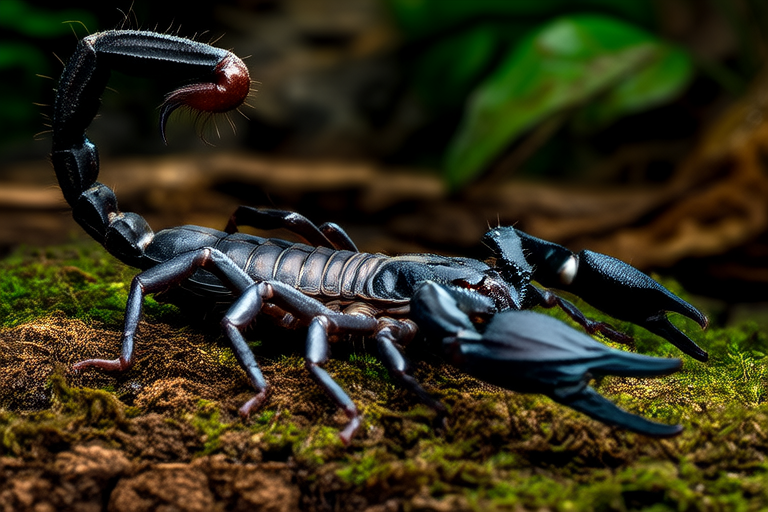
The Stealthy Beauty of Heterometrus Spinifer: A Unique Scorpion Species
In the realm of arachnids, few creatures are as intriguing and misunderstood as the scorpion. Among the myriad of scorpion species, Heterometrus spinifer stands out due to its striking appearance and enigmatic behavior. This article delves into the world of Heterometrus spinifer, exploring its unique physical characteristics, habitat, diet, behavior, and its role within its ecosystem. Additionally, we will uncover some of the myths surrounding this species and highlight recent scientific discoveries that shed light on its fascinating biology.
Physical Characteristics: A Spiky Marvel
Heterometrus spinifer, commonly known as the spiny forest scorpion, is easily recognizable by its distinctive physical features. Its most notable characteristic is the row of prominent spines running along its tail, or telson, which gives the species its name. These spines are not merely ornamental; they serve multiple purposes, including defense and possibly aiding in prey capture. The overall body coloration of Heterometrus spinifer ranges from dark brown to black, providing excellent camouflage against the forest floor where it spends much of its time.
The scorpion’s pincers, or pedipalps, are robust and adapted for grasping and manipulating prey. The size and shape of these appendages vary between males and females, with males typically having longer and more slender claws compared to the broader and shorter ones found in females. This difference is crucial for distinguishing between sexes in the field.
Habitat and Distribution
Native to Southeast Asia, specifically Thailand, Malaysia, and parts of Indonesia, Heterometrus spinifer thrives in tropical rainforests characterized by high humidity and dense vegetation. It prefers habitats with plenty of hiding spots, such as under logs, within crevices of rocks, or beneath leaf litter. These environments provide ideal conditions for both hunting and avoiding predators.
The adaptability of Heterometrus spinifer allows it to inhabit various microhabitats within its range, from lowland forests to montane regions at higher altitudes. However, deforestation and human encroachment pose significant threats to their natural habitat, potentially leading to population declines if conservation measures are not implemented.
Diet and Feeding Behavior
As opportunistic predators, Heterometrus spinifer feeds primarily on insects, spiders, and other small invertebrates. Their diet reflects the diversity of prey available in their environment. Using their highly sensitive sensory organs, including chemoreceptors on their pincers and pedipalps, they can detect potential food sources even in complete darkness.
Once a suitable target has been located, the scorpion employs a combination of speed and strength to subdue its prey. After grasping the victim firmly with its powerful claws, it injects venom through specialized stingers located at the end of its tail. This venom contains neurotoxins designed to immobilize or kill the prey, allowing the scorpion to consume it without competition.
Behavior and Social Structure
Despite being solitary animals for most of their lives, Heterometrus spinifer exhibits complex behaviors during mating season. Males engage in elaborate courtship rituals involving intricate dances and displays intended to impress females. If successful, copulation occurs, after which both partners go their separate ways.
Outside of reproduction, these scorpions lead largely solitary existences, emerging only at night to hunt or search for new territories. Their nocturnal habits contribute significantly to their reputation as elusive creatures, further adding to the mystique surrounding them. While generally non-aggressive towards humans unless provoked, encounters with this species should still be approached with caution due to the potential dangers posed by their venom.
Myths Surrounding Heterometrus Spinifer
Throughout history, many cultures have developed stories and legends centered around scorpions, often portraying them as symbols of danger and evil. In some Asian folklore, Heterometrus spinifer is believed to possess magical powers capable of bringing misfortune upon those who come too close. Such beliefs persist today despite scientific evidence disproving such claims.
It is important to distinguish fact from fiction when discussing these animals. While their venom can indeed cause severe pain and discomfort in humans, proper precautions can prevent harmful interactions. By understanding more about the true nature of Heterometrus spinifer, we can appreciate its place within ecosystems rather than fearing it.
Role in Ecosystem
As apex predators within their respective niches, Heterometrus spinifer plays vital roles in maintaining ecological balance. By controlling populations of pest insects and other small organisms, they help regulate nutrient cycling and promote biodiversity throughout their habitats. Additionally, their presence serves as indicators of environmental health, alerting researchers to changes occurring within ecosystems.
Recent Scientific Discoveries
Advancements in genetic sequencing techniques have provided valuable insights into the evolutionary history of Heterometrus spinifer. Researchers have identified several genes responsible for producing venom components unique to this species, contributing to our understanding of how different toxins evolved over time. Furthermore, studies investigating the neurological effects of these venoms may lead to breakthroughs in medical research, particularly concerning pain management and neurological disorders.
Another area of interest involves examining how climate change impacts the distribution and behavior patterns of Heterometrus spinifer. As temperatures rise globally, some experts predict shifts in geographic ranges and altered activity cycles among affected species. Monitoring these trends closely could offer clues regarding future adaptations necessary for survival.
Conclusion
The Heterometrus spinifer represents just one example of the incredible diversity found within the scorpion family. Through continued study and appreciation of these remarkable creatures, we gain deeper insight into their biology and ecological significance. Rather than viewing them solely through the lens of fear or fascination, let us strive to understand and protect these integral members of Earth’s rich tapestry of life.
