Secrets to Keeping Your Persian Cat Happy, Healthy, and Groomed
Persian cats are renowned for their striking appearance and gentle demeanor. With their long, luxurious coats and expressive eyes, these felines have captured the hearts of many pet lovers around the world. Their plush coats and calm personalities make them a popular choice for families and individuals seeking a companion that is both beautiful and serene. In this guide, we will explore the secrets to keeping your Persian cat happy, healthy, and well-groomed.
The Unique Characteristics of Persian Cats
Persian cats are known for their elegant, long-haired coats that come in a variety of colors and patterns. Their thick fur requires regular grooming to prevent matting and tangles. Additionally, their large, round eyes are one of their most distinctive features, giving them a sweet and innocent expression. Persian cats are generally calm and affectionate, making them ideal for households looking for a peaceful and loving pet. They are also relatively inactive, preferring to spend their days lounging and being pampered.
Dietary Needs for Persian Cats
Proper nutrition is crucial for maintaining the health of your Persian cat. These cats require a balanced diet that meets their specific nutritional needs. A high-quality cat food that contains adequate amounts of protein, fats, vitamins, and minerals is essential. Look for foods that are rich in animal-based proteins like chicken, fish, or lamb, as these provide the necessary amino acids for muscle development and overall health. Omega-3 and omega-6 fatty acids are particularly important for maintaining their skin and coat health.
Hydration is another key factor in a Persian cat’s diet. Ensure that they always have access to fresh water. Some cats may benefit from wet food, which can contribute to increased hydration. Avoid feeding your Persian cat human food, as it can lead to obesity and other health problems. Consult with your veterinarian to determine the best diet for your cat based on its age, weight, and any specific health concerns.
The Importance of Regular Grooming
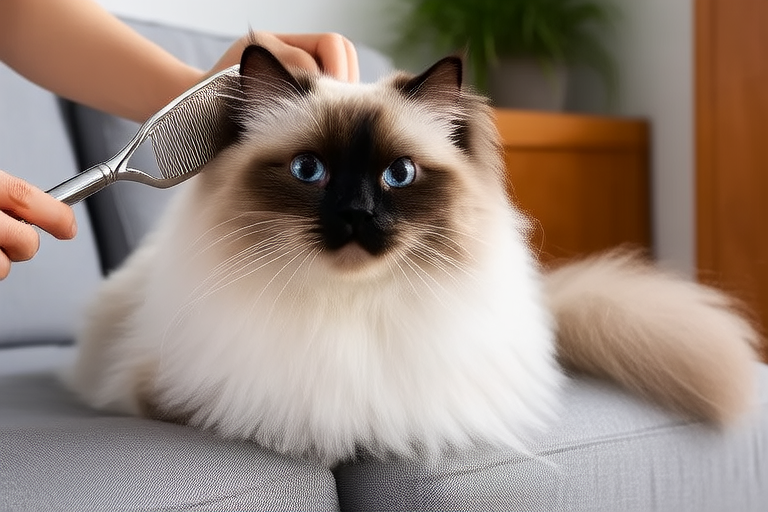
Grooming is a vital aspect of caring for a Persian cat. Their long, dense fur requires daily brushing to prevent mats and tangles. Use a slicker brush or a wide-tooth comb to gently remove loose hair and debris. This not only keeps their coat smooth and shiny but also helps to reduce shedding in your home. Regular grooming also allows you to check for any signs of skin irritation, parasites, or other potential health issues.
Bathing your Persian cat may be necessary occasionally, especially if they get into something messy. Use a mild, pH-balanced shampoo specifically designed for cats. Be sure to thoroughly rinse out all the soap to avoid irritating their skin. Dry your cat completely with a towel or use a blow dryer set on low heat, ensuring that your cat remains calm and comfortable during the process.
Nail care is also important for Persian cats. Trim their nails every few weeks to prevent overgrowth and potential injury. Use a pair of cat-safe nail clippers and be careful not to cut too close to the quick, which can cause bleeding and pain. Reward your cat with treats and praise after nail trimming sessions to create positive associations.
Common Health Issues and Preventive Measures
Persian cats are prone to certain health issues due to their genetic predispositions. Polycystic kidney disease (PKD) is a hereditary condition that can lead to kidney failure. Regular veterinary check-ups are crucial for early detection and management of this condition. Other common health issues include respiratory problems, dental diseases, and obesity. To prevent these issues, ensure your cat has a healthy diet, maintains a proper weight, and receives routine dental care.
Vaccinations and parasite control are also important aspects of preventive care. Keep up with your cat’s vaccination schedule and use flea and tick prevention products recommended by your veterinarian. Regular exercise and mental stimulation can help maintain your cat’s physical and emotional health. Providing toys, scratching posts, and interactive playtime can keep your Persian cat active and engaged.
Creating a Stimulating Environment
To keep your Persian cat mentally and physically active, create an enriching environment. Provide plenty of vertical spaces such as cat trees, shelves, and window perches where they can observe the world from above. Interactive toys, puzzle feeders, and laser pointers can engage their minds and bodies. Rotate toys regularly to keep things interesting. Play sessions are also beneficial for bonding and exercise. Use a feather wand or a ball on a string to encourage your cat to chase and pounce. Remember, each cat has its own preferences, so observe what your cat enjoys and adapt accordingly.
Building a Strong Bond Through Play and Interaction
Spending quality time with your Persian cat is essential for building a strong bond. Patience and understanding are key when interacting with these sensitive creatures. Approach them calmly and gently, allowing them to come to you at their own pace. Use soft tones and soothing gestures to create a relaxed atmosphere. Offer treats and praise to reinforce positive behavior. Engage in play regularly, choosing activities that suit your cat’s temperament and energy level. By fostering trust and affection, you can strengthen the bond between you and your Persian cat.
In conclusion, taking care of a Persian cat involves meeting their unique needs in terms of diet, grooming, health, and environmental enrichment. By providing a balanced diet, regular grooming, preventive healthcare, and a stimulating environment, you can ensure that your Persian cat remains happy, healthy, and well-cared for. Building a strong bond through play and interaction will deepen your relationship and bring joy to both you and your feline friend. With love, patience, and attention, you can enjoy the companionship of a Persian cat for many years to come.
