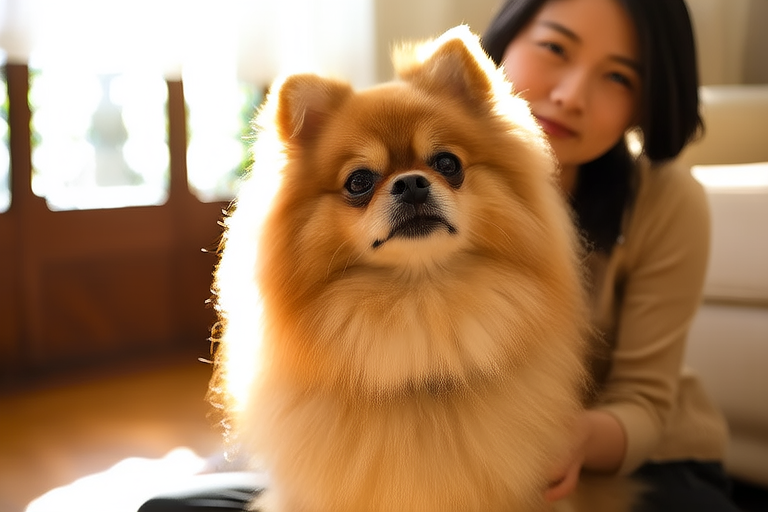
Pomeranians as Therapy Pets: Why They Make Great Companions
Introduction
Pomeranians, a breed of toy dog, have captured hearts for centuries with their charming appearance and delightful personalities. Originating from the province of Pomerania in Central Europe, these dogs were initially bred as larger working dogs. Over time, they have been selectively bred down to their current size, making them one of the smallest breeds of dogs today. Despite their diminutive stature, Pomeranians possess a big personality that makes them exceptional companions, especially in therapy settings.
The History and Size of Pomeranians
The history of Pomeranians dates back several centuries. Initially, they were used as herding and guarding dogs, a far cry from the lapdogs they are now known as. Queen Victoria’s fondness for the breed played a pivotal role in popularizing them. She preferred smaller Pomeranians, leading to a shift in breeding practices that resulted in the smaller sizes we see today. Pomeranians typically weigh between 3 to 7 pounds and stand around 6 to 7 inches tall at the shoulder. Their compact size makes them perfect for apartments and small homes, but also means they need careful handling to avoid injury.
Temperament and Ideal Therapy Pet Qualities
Pomeranians are known for their lively, outgoing, and friendly nature. They are intelligent, curious, and eager to please, which makes them easy to train. These traits, combined with their affectionate demeanor, make them excellent candidates for therapy work. Their ability to connect with people on an emotional level is remarkable, often providing comfort and joy to those in need.
In therapy settings, Pomeranians can help reduce anxiety, lower blood pressure, and decrease feelings of loneliness. Their presence alone can brighten someone’s day. For instance, they have been observed to encourage communication in patients who might otherwise be withdrawn. In hospitals, nursing homes, and schools, Pomeranians provide a sense of calm and companionship, making them invaluable assets.
Specific Examples of Their Roles in Therapy Settings
Pomeranians are particularly effective in pediatric therapy. Their small size and playful demeanor can engage children who might be hesitant or fearful. They are often used in reading programs where children read aloud to the dogs. This activity helps improve literacy skills while reducing anxiety associated with reading in front of peers. In addition, Pomeranians participate in animal-assisted therapy (AAT) programs in psychiatric facilities, helping patients manage symptoms of depression and post-traumatic stress disorder (PTSD).
Another notable area where Pomeranians excel is in hospice care. Their gentle and comforting presence can offer solace to terminally ill patients and their families. The dogs can sit quietly beside patients, offering non-verbal support that is deeply appreciated. In schools, Pomeranians assist students with special needs, helping them develop social skills and emotional regulation.
Training Needs and Preparation for Therapy Work
To become effective therapy pets, Pomeranians require specific training. Basic obedience commands such as sit, stay, come, and down are crucial. Additionally, they should be trained to respond calmly to various stimuli, including loud noises, sudden movements, and unfamiliar environments. Socialization is key; Pomeranians should be exposed to different people, animals, and situations from a young age to ensure they remain confident and comfortable in diverse settings.
Therapy certification involves evaluating a dog’s behavior, health, and temperament. Prospective therapy dogs undergo rigorous testing to ensure they meet the necessary standards. Owners must also understand the responsibilities involved in therapy work, including adhering to facility guidelines and maintaining the dog’s health and well-being.
Addressing Concerns About Small Dog Breeds in Public Spaces
One common concern regarding small dog breeds like Pomeranians is their suitability in public spaces. Critics argue that they may not be sturdy enough to handle the challenges of public life. However, with proper training and care, Pomeranians can thrive in public settings. They are adaptable and quick learners, capable of navigating crowds and remaining calm under pressure. Moreover, their small size makes them less intimidating to individuals who might feel uncomfortable around larger dogs.
It is essential to respect leash laws and keep Pomeranians on a leash when in public spaces. Owners should also be mindful of their dog’s limitations and avoid overexposure to stressful environments. By taking these precautions, Pomeranians can enjoy the benefits of public outings while ensuring the safety and comfort of everyone involved.
The Positive Impact on Mental Health and Well-Being
The impact of Pomeranians on individuals’ mental health and well-being cannot be overstated. Studies have shown that interacting with therapy dogs can release oxytocin, a hormone associated with bonding and relaxation. This interaction can lead to reduced stress levels, improved mood, and enhanced overall mental health. For many, the simple act of petting a Pomeranian can bring a sense of peace and tranquility.
Moreover, Pomeranians can foster a sense of purpose and responsibility in their owners. Caring for a pet provides structure and routine, which can be particularly beneficial for individuals struggling with mental health issues. The bond formed between owner and pet can also provide emotional support, creating a network of unconditional love and companionship.
In conclusion, Pomeranians are more than just adorable pets; they are capable therapy animals that can make a significant difference in the lives of those they interact with. Their history, size, temperament, and training all contribute to their effectiveness as therapy pets. While there are valid concerns about small dog breeds in public spaces, these can be addressed through proper training and responsible ownership. Ultimately, the positive impact of Pomeranians on mental health and well-being underscores their value as therapy pets.
