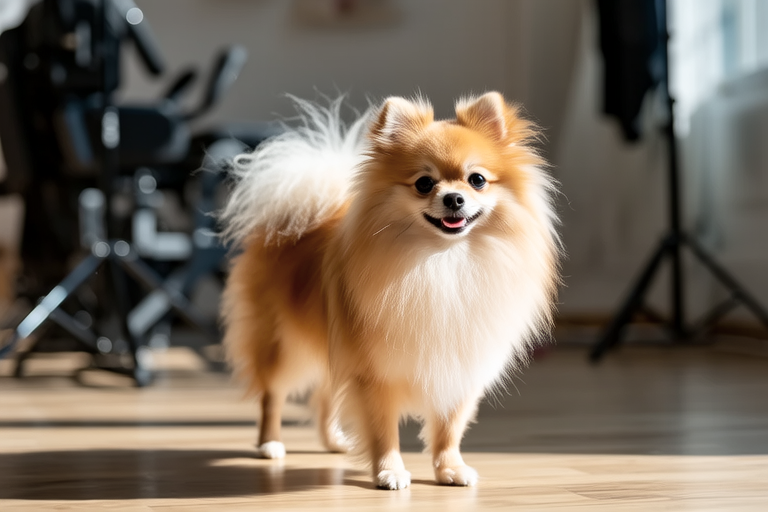
The Ultimate Guide to Training Your Tiny but Tenacious Pomeranian
Welcome to The Ultimate Guide to Training Your Tiny but Tenacious Pomeranian. This comprehensive guide will provide you with all the necessary information to understand and train your Pomeranian effectively. Whether you’re a new or experienced dog owner, this guide will help you build a strong relationship with your furry friend.
Understanding the Breed’s Temperament
Pomeranians are small, energetic dogs known for their bold and lively personalities. They are intelligent, curious, and often very vocal. These traits make them excellent watchdogs, as they will alert you to any unusual activity. However, their size can be deceiving; despite their tiny stature, Pomeranians have big personalities. They are loyal companions and thrive on attention and affection from their owners.
It’s important to note that Pomeranians can be stubborn at times, which may pose challenges during training. Consistency and positive reinforcement are key when working with these dogs. Understanding their temperament is crucial for successful training and socialization.
Essential Training Tips
Training your Pomeranian requires patience, consistency, and positive reinforcement. Start by establishing a routine and setting clear expectations. Use treats and praise to reward good behavior, and avoid punishing your dog for mistakes. Remember, Pomeranians respond best to gentle, patient guidance.
Begin basic obedience training early, focusing on commands such as sit, stay, come, and down. Keep training sessions short and fun, as Pomeranians have short attention spans. Incorporate play into your training regimen to keep your dog engaged and motivated.
House training can be challenging due to the Pomeranian’s small size. Crate training is highly recommended, as it provides a safe space for your dog and helps establish boundaries. Be consistent with your house training routine, and always reward your Pomeranian for using the bathroom outside.
Effective Socialization Techniques
Socializing your Pomeranian is essential for developing a well-rounded, confident dog. Expose your puppy to various environments, people, and other animals from an early age. This will help your Pomeranian become comfortable in different situations and reduce the likelihood of fear-based aggression.
Start by introducing your Pomeranian to family members and friends in a controlled environment. Gradually increase the level of exposure, taking your dog to parks, pet stores, and other public places. Always ensure your Pomeranian feels safe and secure during socialization experiences.
Consider enrolling your Pomeranian in a puppy class or obedience training program. These classes provide structured learning environments and opportunities for social interaction with other dogs. Additionally, they offer valuable resources and support for new and experienced dog owners alike.
Common Behavioral Issues and Solutions
Like many small breeds, Pomeranians can exhibit certain behavioral issues if not properly trained and socialized. Some common problems include excessive barking, chewing, and separation anxiety. Addressing these issues early can prevent them from becoming ingrained habits.
Excessive barking can be managed by teaching your Pomeranian alternative ways to express themselves, such as ringing a bell or using a specific word or phrase. Provide plenty of mental stimulation through toys, puzzles, and interactive games to reduce boredom-related barking.
Chewing is a natural behavior for puppies, but it can become problematic if left unchecked. Redirect your Pomeranian’s chewing to appropriate items, such as chew toys and rawhide bones. Offer alternatives when your Pomeranian begins to chew on furniture or other inappropriate objects.
Separation anxiety is a common issue among small dogs, including Pomeranians. Gradually increase the amount of time your dog spends alone to help them adjust to being left alone. Consider leaving a familiar item, such as a blanket or toy, to provide comfort during your absence. Seek professional assistance if your Pomeranian’s separation anxiety persists or worsens.
Diet and Exercise Recommendations
A balanced diet is crucial for maintaining your Pomeranian’s health and well-being. Choose high-quality dog food that meets your Pomeranian’s nutritional needs. Consult with your veterinarian to determine the appropriate portion sizes and feeding schedule based on your dog’s age, weight, and activity level.
In addition to a nutritious diet, regular exercise is essential for keeping your Pomeranian physically fit and mentally stimulated. Daily walks and playtime are great ways to ensure your Pomeranian gets enough physical activity. Consider incorporating interactive toys and games into your exercise routine to engage your dog’s mind.
Remember that Pomeranians are prone to obesity, so monitor their food intake and portion sizes carefully. Overfeeding can lead to health problems such as joint issues and respiratory difficulties. Regular veterinary check-ups are recommended to monitor your Pomeranian’s overall health and address any concerns promptly.
Maintaining a Strong Bond with Your Pomeranian
Maintaining a strong bond with your Pomeranian involves spending quality time together and providing emotional support. Engage in activities that both you and your dog enjoy, whether it’s playing fetch, going for walks, or simply cuddling on the couch. Positive interactions and consistent affection help strengthen the bond between you and your Pomeranian.
Be mindful of your Pomeranian’s emotional needs and provide comfort during stressful situations. Pomeranians are sensitive dogs and may benefit from extra attention and reassurance during times of change or uncertainty. Establishing a routine and maintaining consistency in your interactions can help create a sense of security for your Pomeranian.
Finally, never underestimate the power of verbal communication. Speak to your Pomeranian in a calm, soothing voice and use positive reinforcement to encourage desired behaviors. Building a strong bond with your Pomeranian takes time and effort, but the rewards are immeasurable.
