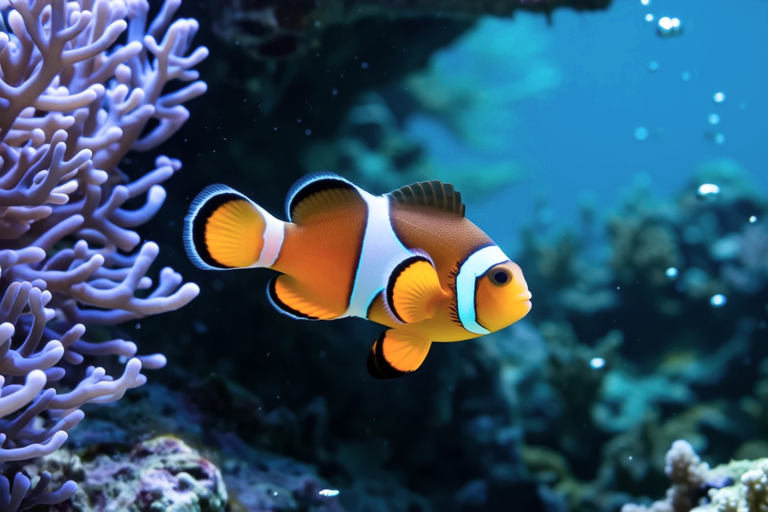
From the Movies to Your Tank: Everything You Need to Know About Clownfish
The clownfish, also known as anemonefish, has captured the hearts of millions worldwide, largely due to its starring role in the beloved animated film Finding Nemo. This vibrant fish, with its distinctive orange and white stripes, has become an iconic symbol of marine life. Its popularity extends beyond the big screen, inspiring countless enthusiasts to explore the world of saltwater aquariums. In this comprehensive guide, we will delve into the fascinating world of clownfish, covering everything from their natural habitat and behavior to the intricacies of keeping them in your home tank.
Global Fascination with Clownfish
The global fascination with clownfish can be traced back to its portrayal in Finding Nemo, which brought the beauty and complexity of marine ecosystems to the forefront of popular culture. The movie’s endearing characters and heartwarming narrative have sparked a renewed interest in these colorful fish. As a result, many aquarists, both novice and experienced, have been drawn to the challenge and joy of keeping clownfish in their tanks. The film has also helped raise awareness about marine conservation, encouraging viewers to learn more about these remarkable creatures and their natural habitats.
Natural Habitat and Behavior in the Wild
Clownfish are native to the warm waters of the Indian and Pacific Oceans, particularly around coral reefs. They are typically found in shallow lagoons and seaward reefs at depths of up to 46 meters. These fish form a unique symbiotic relationship with sea anemones, which provide them with shelter and protection. The anemone’s stinging tentacles deter most predators, but the clownfish has developed a special mucus layer that allows it to navigate among the tentacles without being harmed. In return, the clownfish provides the anemone with food scraps and defends it against intruders.
In the wild, clownfish are highly social and territorial animals. They usually live in groups consisting of a dominant female and several smaller males. The dominant female is responsible for laying eggs, which she guards diligently until they hatch. Male clownfish assist in fanning the eggs with their fins to ensure proper oxygenation and protect them from potential threats.
Different Species of Clownfish and Their Distinguishing Features
There are approximately 30 recognized species of clownfish, each with its own distinct characteristics. Some of the most popular species include:
- Ocellaris Clownfish (Amphiprion ocellaris): Known as the “false clownfish,” this species is the one featured in Finding Nemo. It has three white bands on its body and is often the first choice for beginners due to its hardiness and adaptability.
- Percula Clownfish (Amphiprion percula): Similar in appearance to the Ocellaris, the Percula Clownfish has slightly narrower white bands and is native to the Indo-Pacific region. It requires slightly more stable water conditions than the Ocellaris.
- Tomato Clownfish (Amphiprion frenatus): Named for its bright red color, this species is larger and more aggressive than other clownfish. It is a popular choice for experienced aquarists who want a more robust fish in their tank.
- Maroon Clownfish (Premnas biaculeatus): Distinct from other clownfish due to its single white stripe, the Maroon Clownfish is one of the largest species and is known for its territorial nature. It is best suited for large tanks with plenty of hiding spots.
Each species has its own unique care requirements, so it’s important to research thoroughly before selecting a clownfish for your tank.
Care Instructions for Keeping Clownfish in Home Aquariums
Keeping clownfish in a home aquarium requires careful attention to detail to ensure their health and happiness. Here are some essential guidelines for setting up and maintaining a suitable environment:
Water Conditions
Clownfish thrive in saltwater environments with stable water parameters. Aim for a temperature range of 78-82°F (25-28°C), a pH level between 8.1 and 8.4, and a specific gravity of 1.020-1.025. Regular water changes and monitoring of water quality are crucial to maintaining optimal conditions.
Tank Size
A minimum tank size of 20 gallons is recommended for a single pair of clownfish. However, larger tanks are preferred for groups or when combining with other species. A spacious environment allows for adequate swimming space and reduces stress.
Diet
Clownfish are omnivorous, meaning they eat both plant and animal matter. A balanced diet should consist of a variety of foods, including high-quality flake food, frozen or live brine shrimp, and algae-based foods. Feeding once or twice daily is sufficient, but avoid overfeeding to prevent water pollution.
Compatible Tank Mates
Clownfish can coexist peacefully with certain species, provided there is ample space and hiding spots. Suitable tankmates include other peaceful fish like damselfish, blennies, and small wrasses. Avoid housing clownfish with aggressive or predatory species that may pose a threat.
Common Health Issues and Signs of a Healthy Clownfish
Like any pet, clownfish can face health challenges. Common issues include bacterial infections, parasitic infestations, and stress-related disorders. Early detection and prompt treatment are key to ensuring your fish’s well-being.
Signs of a healthy clownfish include vibrant coloration, active swimming behavior, and regular feeding habits. If you notice lethargy, loss of appetite, or unusual physical symptoms such as lesions or discoloration, consult with a veterinarian specializing in aquatic animals.
Tips for Breeding Clownfish
Breeding clownfish in captivity can be rewarding but requires careful planning and execution. To encourage spawning, maintain ideal water conditions and provide a suitable breeding site, such as a PVC pipe or coconut shell. Introduce a pair of well-conditioned clownfish and monitor their behavior closely. Once the female lays her eggs, the male will take over guarding duties. After approximately 6-10 days, the eggs will hatch, and the fry can be raised in a separate tank.
Successful breeding depends on providing the right environment and nutrition for the fry. Feed newly hatched brine shrimp and gradually introduce other appropriate foods as they grow.
In conclusion, clownfish are captivating creatures that bring joy and wonder to aquariums around the world. By understanding their natural habitat, behavior, and specific care needs, you can create a thriving environment for these beautiful fish. Whether you’re a seasoned aquarist or just starting out, the journey of caring for clownfish promises to be both educational and fulfilling. With proper knowledge and dedication, you can enjoy the companionship of these delightful creatures for years to come.
