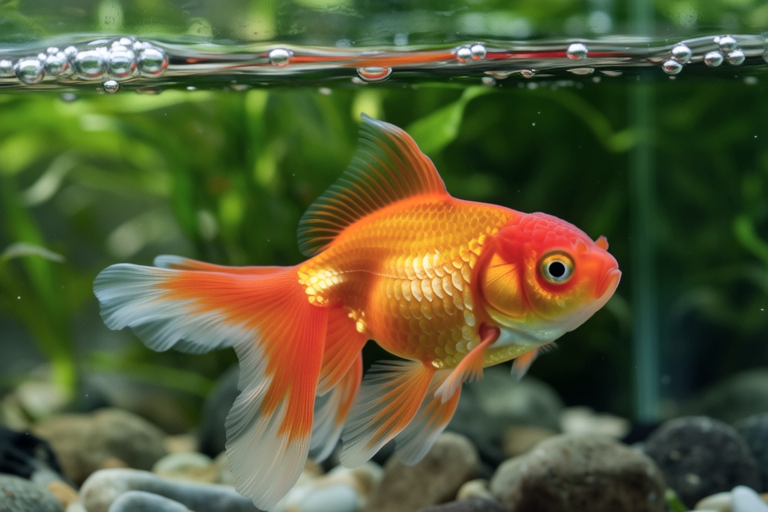
Goldfish Behavior Decoded: Understanding What Your Pet is Trying to Tell You
Goldfish are one of the most popular pets in the world, adored for their vibrant colors and graceful movements. Despite their widespread popularity, many aquarists underestimate the complexity of goldfish behavior and the subtle ways these aquatic companions communicate their needs and emotions. Understanding your goldfish’s behavior can significantly enhance your ability to provide optimal care and create a nurturing environment. This article delves into the fascinating world of goldfish behavior, decoding their swimming patterns, eating habits, and responses to stimuli, while offering practical advice on creating an ideal habitat and maintaining a strong bond with your pet.
The Popularity of Goldfish as Pets
Goldfish have been cherished as pets for centuries, with their history tracing back to ancient China. Their affordability, hardiness, and ease of care make them an ideal choice for beginners and seasoned aquarists alike. However, despite their reputation as low-maintenance pets, goldfish require attentive care and a keen understanding of their behavioral cues to thrive. By paying close attention to your goldfish’s actions, you can better anticipate their needs and ensure they lead healthy, happy lives.
Decoding Swimming Patterns
One of the first things you might notice about your goldfish is its swimming pattern. A healthy goldfish will swim gracefully, maintaining a steady pace and exploring its environment. However, changes in swimming behavior can indicate underlying issues. For example, if your goldfish is constantly darting around or swimming erratically, it could be stressed or uncomfortable. On the other hand, lethargy or floating near the surface might suggest health problems such as swim bladder disorder or poor water quality.
To ensure your goldfish remains active and engaged, maintain a spacious tank with plenty of open space for swimming. Goldfish are social creatures and enjoy the company of their tank mates, so consider keeping them in groups. However, be mindful of overcrowding, as this can lead to stress and disease.
Eating Habits and Their Meanings
Observing your goldfish’s eating habits can provide valuable insights into its well-being. A goldfish that eats eagerly and with enthusiasm is generally content and healthy. Conversely, a lack of appetite or selective feeding can signal illness or discomfort. Goldfish may also exhibit unusual behaviors during feeding time, such as chasing each other or refusing food altogether.
It’s essential to feed your goldfish a balanced diet consisting of high-quality flakes, pellets, and occasional live or frozen foods. Avoid overfeeding, as excess food can pollute the water and lead to digestive issues. Pay attention to how much your fish consumes at each meal and adjust the portion size accordingly. If you notice any changes in your goldfish’s eating habits, consult a veterinarian specializing in aquatic animals to rule out potential health concerns.
Responses to Stimuli
Goldfish are highly responsive to environmental changes and external stimuli. They react to light, sound, and even the presence of humans. For instance, goldfish may become more active and playful when they sense their owner approaching the tank. This behavior is often accompanied by increased swimming speed and frequent visits to the surface, where they may even beg for food.
On the other hand, sudden movements or loud noises can startle your goldfish, causing them to retreat to the bottom of the tank or hide behind plants. To minimize stress and promote a calm environment, place the aquarium in a quiet area away from direct sunlight and drafts. Use soft lighting and avoid sudden, jarring movements near the tank.
Creating an Optimal Environment
A well-maintained aquarium is crucial for your goldfish’s health and happiness. Start by choosing an appropriately sized tank; a general rule of thumb is to provide at least 20 gallons of water per goldfish. Equip the tank with a reliable filtration system, as goldfish produce a significant amount of waste and require efficient biological filtration to maintain water quality.
In addition to proper filtration, regular water changes are essential for removing toxins and maintaining stable water parameters. Aim for partial water changes (about 25%) every week, ensuring that the temperature and pH levels remain consistent between changes. Regularly check the water quality using test kits, monitoring ammonia, nitrite, and nitrate levels.
Provide ample hiding spots and decorations to stimulate your goldfish’s natural instincts and reduce stress. Incorporate live or artificial plants, caves, and driftwood to create a diverse and engaging environment. Ensure that all decorations are safe and non-toxic, avoiding sharp edges or materials that could harm your fish.
Maintaining a Strong Bond
Building a strong bond with your goldfish requires patience, observation, and responsiveness to their needs. Spend time near the tank each day, allowing your fish to become accustomed to your presence. Over time, your goldfish may begin to recognize and respond to you, swimming towards the front of the tank or performing specific behaviors when they see you.
To further strengthen your relationship, engage in gentle, interactive play sessions. You can offer treats or toys designed for aquatic pets, encouraging your goldfish to explore and interact with you. Always prioritize your fish’s safety and comfort during these activities, ensuring that any objects introduced to the tank are safe and appropriate.
Remember that goldfish have distinct personalities and preferences. Some may enjoy being hand-fed, while others prefer to eat from the bottom of the tank. Pay attention to your goldfish’s individual quirks and adapt your care routine accordingly. By fostering a positive, supportive relationship, you can ensure that your goldfish thrives and remains a beloved member of your household.
Conclusion
Understanding goldfish behavior is key to providing optimal care and creating a nurturing environment. By observing their swimming patterns, eating habits, and responses to stimuli, you can gain valuable insights into your goldfish’s well-being and address any issues before they escalate. With the right knowledge and care, you can help your goldfish live a long, healthy, and fulfilling life. Embrace the joy of learning about your pet’s unique personality and behaviors, and celebrate the rewarding experience of sharing your home with these delightful aquatic companions.
