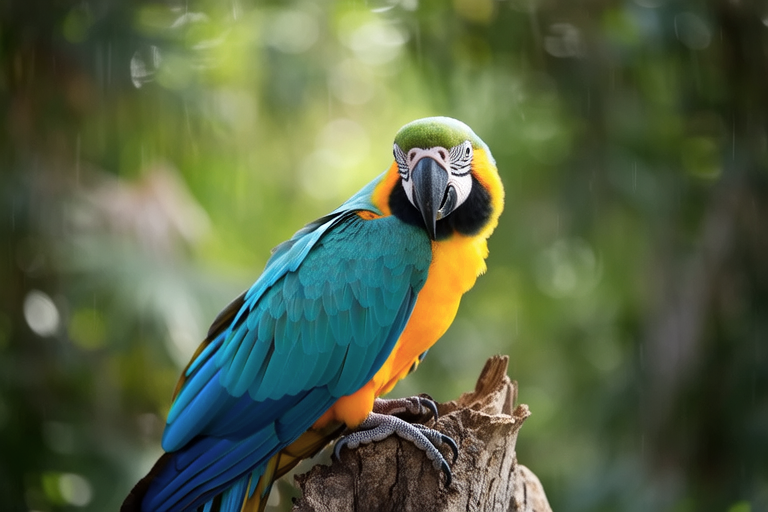
Splendid Japalures: The Ultimate Guide for First-Time Bird Owners
Welcome to the world of splendid Japaluras! These charming, intelligent, and social birds are increasingly becoming popular among bird enthusiasts. With their vibrant plumage and engaging personalities, Japaluras offer a delightful companionship that can enrich your life. However, they come with specific care requirements that need to be understood and met to ensure their well-being. This guide will walk you through everything you need to know about these captivating creatures, from setting up their home to understanding their dietary needs and social interactions.
Choosing the Right Cage
The first step in providing a comfortable environment for your Japalura is selecting the right cage. A spacious cage is crucial as it allows your bird ample room to move around, play, and stretch its wings. The cage should be at least 3 feet wide, 2 feet deep, and 4 feet high to accommodate your Japalura’s natural behavior. Ensure the bars are spaced appropriately so that your bird cannot squeeze through or get injured. Additionally, consider the location of the cage; it should be in a quiet area away from drafts, direct sunlight, and loud noises. A stable, secure perch is also important to prevent your bird from getting injured.
Essential Equipment
Besides the cage, there are several other items necessary for your Japalura’s comfort and well-being. Providing a variety of perches of different diameters and textures will help maintain your bird’s foot health and stimulate its claws. A swing or two can provide additional entertainment and exercise. Toys are essential for keeping your Japalura mentally stimulated. Opt for toys that encourage problem-solving and interaction, such as puzzles or those with mirrors. Lastly, a shallow water dish for bathing and a food dish are necessary. Ensure all equipment is safe and free from toxic materials.
Diet Specifics
Nutrition is key to maintaining a healthy Japalura. Their diet should consist of a balanced mix of seeds, pellets, fruits, and vegetables. High-quality birdseed mixes are a good starting point, but supplementing with fresh produce like apples, bananas, and leafy greens will provide essential vitamins and minerals. Avoid feeding your Japalura avocado, chocolate, or caffeine, as these can be harmful. Introducing new foods gradually helps to prevent digestive upset. Always provide fresh, clean water daily and monitor your bird’s eating habits for any changes that might indicate health issues.
Grooming Tips
Grooming your Japalura is essential for its overall health and appearance. Regularly trimming your bird’s nails and beak is necessary to prevent overgrowth. Consult with an avian veterinarian to learn how to safely perform these tasks. Bathing is also crucial; many Japaluras enjoy water baths, which can be provided in a shallow dish or by misting them gently with a spray bottle. Feather care is vital; check for any signs of feather damage or molting issues. Keep the bird’s living area clean to reduce the risk of infections or parasites.
Common Health Issues
Like any pet, Japaluras can face health challenges. Respiratory infections are common, often indicated by sneezing, wheezing, or nasal discharge. Feather plucking can occur due to stress or boredom. Signs of illness include lethargy, loss of appetite, and unusual behavior. Regular visits to an avian veterinarian are recommended to catch and address any potential health issues early. Maintaining a clean environment and providing a balanced diet can help prevent many health problems.
Socializing and Training
Japaluras are highly social and thrive on interaction with their human companions. Spend time each day talking, playing, and interacting with your bird. Positive reinforcement training methods work best with Japaluras. Use treats and praise to reward desired behaviors, such as stepping onto your hand or speaking. Patience is key, as training takes time and consistency. Socialization with other birds can also benefit your Japalura, promoting healthy interactions and reducing stress.
The Emotional Bond Between Owner and Pet
Owning a Japalura can be incredibly rewarding. These birds form strong bonds with their owners, offering companionship and joy. They can become a cherished member of the family, providing moments of laughter and warmth. The emotional connection formed can be profound, offering both companionship and a sense of purpose. While caring for a Japalura requires commitment and effort, the rewards of this special relationship make it all worthwhile.
