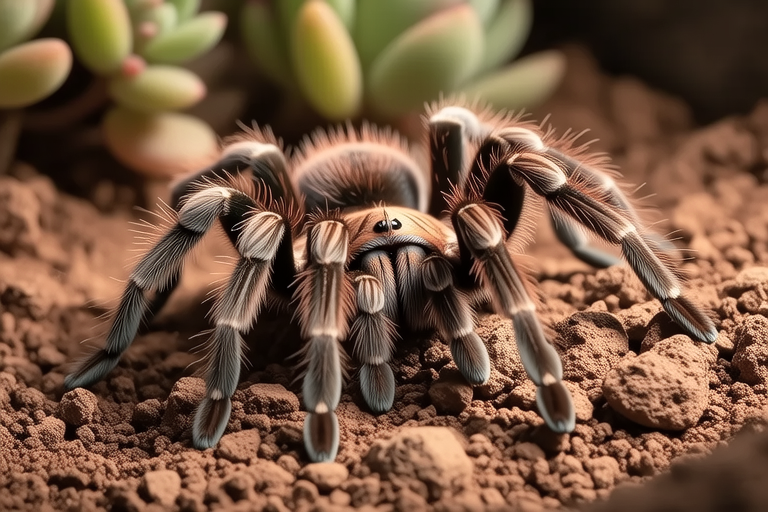
Chilean Rose Tarantula Care Made Easy: Tips for First-Time Owners
Welcome to the world of tarantula ownership! The Chilean rose tarantula (Grammostola rosea) is one of the most popular pet tarantulas due to its docile nature and manageable care requirements. This guide will walk you through the essentials of caring for your new arachnid friend, ensuring both your safety and their well-being.
Habitat Setup
Setting up the perfect habitat is crucial for your Chilean rose tarantula’s health and happiness. Follow these steps to create a safe and comfortable environment:
- Enclosure Size: A 10-gallon tank is ideal for an adult tarantula. Ensure there is enough space for climbing and hiding.
- Substrate: Use coconut fiber or eco-earth for bedding. This substrate retains moisture well, mimicking the tarantula’s natural environment.
- Hiding Places: Provide caves or cork bark tubes where your tarantula can retreat. This helps reduce stress and provides a sense of security.
- Climbing Structures: Include branches or rocks that allow your tarantula to climb and explore.
- Lighting: No special lighting is necessary. Avoid direct sunlight as it can overheat the enclosure.
Temperature and Humidity Requirements
Maintaining the correct temperature and humidity levels is vital for your tarantula’s health.
- Temperature: Keep the enclosure between 78°F and 82°F (26°C and 28°C). Use a heat mat or under-tank heater if needed.
- Humidity: Aim for 60% to 80% humidity. Mist the substrate occasionally with water to maintain this level.
Use a thermometer and hygrometer to monitor these conditions regularly. Adjust heating or misting as necessary to keep your tarantula comfortable.
Feeding Habits
Your Chilean rose tarantula will eat a variety of insects. Here’s what you need to know about feeding:
- Diet: Feed your tarantula crickets, mealworms, or dubia roaches. Avoid feeding wild-caught insects as they may carry parasites.
- Frequency: Feed adults every 7 to 14 days. Juveniles may require more frequent meals.
- Prey Size: Ensure prey items are no larger than half the width of your tarantula’s abdomen.
- Handling Prey: Always feed live prey. Dead prey can cause your tarantula to regurgitate or refuse food.
Remember, overfeeding can lead to obesity and health issues. Observe your tarantula’s eating habits and adjust feeding frequency accordingly.
Handling Tips
While tarantulas are generally docile, handling should be approached with caution.
- Frequency: Handle your tarantula only when necessary. Excessive handling can cause stress.
- Approach: Gently place your hand in front of the tarantula and let it crawl onto your hand. Avoid grabbing or picking it up by its legs.
- Support: Always support the tarantula’s entire body, especially during molting periods.
- Environment: Never handle your tarantula immediately after feeding or while it is molting.
Patience and gentle handling will help build trust with your pet. Always wash your hands before and after handling to avoid transferring oils or chemicals.
Health Concerns
Regular monitoring of your tarantula’s behavior and environment can prevent many health issues.
- Molting: During molting, your tarantula will shed its exoskeleton. Provide a humid environment to aid this process. Avoid disturbing the tarantula during and after molting.
- Regurgitation: If your tarantula regurgitates its food, it may be stressed or ill. Reduce handling and consult a veterinarian specializing in exotic pets.
- Parasites: Watch for signs of parasites such as lethargy, loss of appetite, or unusual behavior. Clean the enclosure thoroughly and consult a vet if necessary.
Regular veterinary check-ups are recommended for tarantulas, especially those showing signs of illness. Early detection and treatment can improve outcomes.
Common Myths About Chilean Rose Tarantulas
There are several misconceptions about these fascinating creatures. Let’s debunk some of them:
- Myth: Tarantulas are aggressive. In reality, Chilean rose tarantulas are generally calm and shy. They prefer to hide rather than attack.
- Myth: Tarantulas are venomous. While they have venom, it is mild and primarily used for subduing prey. Human reactions are usually mild.
- Myth: Tarantulas require constant attention. Unlike dogs or cats, tarantulas are solitary animals that do not require frequent interaction.
Understanding these truths can help you appreciate your tarantula for what it is: a low-maintenance, fascinating pet.
The Responsibilities of Owning a Tarantula
Owning a Chilean rose tarantula comes with significant responsibilities:
- Commitment: Tarantulas can live up to 20 years. Be prepared for a long-term commitment.
- Research: Continue learning about tarantulas to provide the best care possible.
- Cost: Consider the initial setup costs and ongoing expenses like food and veterinary care.
Taking on the responsibility of a tarantula is a rewarding experience. With proper care and attention, you’ll enjoy a unique and interesting companion.
Conclusion
Caring for a Chilean rose tarantula is an exciting journey filled with discovery and responsibility. By following the guidelines outlined in this article, you’ll ensure your tarantula lives a healthy and happy life. Remember, patience and respect are key to building a strong bond with your pet. Happy tarantula-keeping!
