How to Care for Your Enthusiastic Companion – The Devon Rex
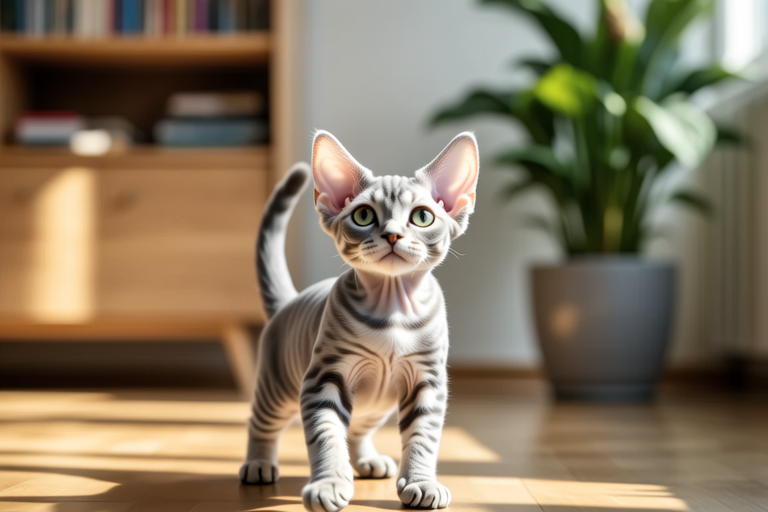
Welcome to the world of the Devon Rex, a breed of cat known for its unique appearance and lively personality. These cats are often described as the clowns of the feline world due to their playful antics and affectionate nature. With their large ears, expressive eyes, and a coat that seems almost too delicate to touch, Devon Rex cats are truly one-of-a-kind companions.
Introduction: Unique Characteristics of Devon Rex Cats
The Devon Rex has a distinct look that sets it apart from other cat breeds. Their most notable feature is their short, fine coat, which is wavy or curly, giving them a distinctive, almost pixie-like appearance. Unlike many other cats, the Devon Rex’s coat lacks an undercoat, making it softer and less dense. This unique coat texture is due to a genetic mutation that affects the development of the hair shafts. Additionally, their ears are large and slightly pointed, and their bodies are slender but muscular, reflecting their high energy levels.
Devon Rex cats are also known for their intelligence and curiosity. They love to explore their environment and are always on the lookout for new things to investigate. Their playful demeanor and mischievous streak make them delightful pets for families and individuals who enjoy interactive play.
Grooming Needs: Maintaining the Short, Fine Coat
One of the joys of owning a Devon Rex is the minimal grooming required to keep their coat in top condition. Their lack of an undercoat means they produce less dander than other cats, which can be beneficial for people with allergies. However, this doesn’t mean you can neglect their grooming entirely. Regular brushing is still necessary to prevent matting and to distribute natural oils throughout their fur, promoting a healthy coat.
Use a soft-bristled brush or a grooming glove to gently stroke your Devon Rex’s coat once or twice a week. This will help remove any loose hairs and stimulate blood circulation. Bathing should be kept to a minimum, as frequent bathing can strip their skin of essential oils. If your Devon Rex does require a bath, use a gentle, pH-balanced shampoo designed specifically for cats.
In addition to physical grooming, pay attention to their hygiene. Trim their nails regularly to prevent scratching damage to furniture or your skin. Clean their ears gently with a cotton ball and a veterinarian-approved ear cleaner if you notice any discharge or odor. Finally, check their teeth and gums regularly, and provide dental treats or toys to promote good oral health.
Dietary Requirements: Balanced Nutrition for Health
Providing a balanced diet is crucial for maintaining the health and well-being of your Devon Rex. A high-quality commercial cat food formulated for their life stage (kitten, adult, or senior) is usually sufficient. Look for foods that contain high-quality protein sources such as chicken, turkey, or fish, along with essential vitamins and minerals.
Avoid feeding your Devon Rex table scraps or human food, as these can upset their digestive system and lead to obesity. Some Devon Rex cats may have food sensitivities or allergies, so watch for signs of discomfort after introducing new foods. Common allergens include grains, dairy products, and certain proteins. Consult your veterinarian if you suspect your cat has a food allergy.
Ensure your cat has access to fresh water at all times. Drinking plenty of water helps maintain hydration and supports kidney function. Consider using a pet fountain to encourage drinking, as flowing water can be more appealing to cats.
Exercise and Playtime: Keeping Your Devon Rex Active
Devon Rex cats are known for their high energy levels and need regular exercise to stay healthy and happy. Providing opportunities for physical activity is essential to their well-being. Interactive toys such as laser pointers, feather wands, and puzzle feeders can engage their minds and bodies. Rotate toys frequently to keep playtime exciting and prevent boredom.
Consider setting up climbing structures or cat trees to allow your Devon Rex to climb and explore. They enjoy heights and will often perch on elevated surfaces to survey their surroundings. Incorporating play sessions into your daily routine can also strengthen the bond between you and your cat.
Outdoor play is not recommended for Devon Rex cats due to their delicate coats and tendency to wander. However, if you live in a safe area and have a secure outdoor enclosure, supervised outdoor time can be a rewarding experience for both you and your cat. Always ensure your Devon Rex is microchipped and wearing identification tags before venturing outside.
Common Health Issues and Preventive Care
Like all breeds, Devon Rex cats are prone to certain health issues. Some common conditions include hip dysplasia, patellar luxation, and hypertrophic cardiomyopathy. Regular veterinary check-ups are essential for early detection and management of these conditions.
To prevent health problems, maintain a consistent vaccination schedule and follow your veterinarian’s recommendations for flea, tick, and heartworm prevention. Dental care is also important, as periodontal disease can lead to other health issues. Provide dental chews and regular toothbrushing to keep your cat’s mouth healthy.
Obesity is another concern for Devon Rex cats, especially if they are not provided with enough exercise or are overfed. Monitor your cat’s weight and adjust their diet accordingly. Obesity can lead to joint problems, diabetes, and other serious health issues.
Training and Bonding: Fostering a Strong Relationship
Training your Devon Rex can be a fun and rewarding experience. Positive reinforcement techniques, such as clicker training or offering treats for desired behaviors, work well with this intelligent breed. Teach basic commands like “sit,” “stay,” and “come” to establish clear communication and build trust.
Spend quality time with your Devon Rex each day to strengthen your bond. Engage in activities they enjoy, such as playing fetch or chasing toys. Regular interaction helps to alleviate anxiety and promotes emotional well-being. Establish routines for feeding, playtime, and grooming to give your cat a sense of security and stability.
Devon Rex cats thrive on companionship and may become distressed if left alone for long periods. If you work long hours, consider providing them with a companion animal or hiring a pet sitter to visit during the day. This can help reduce stress and prevent destructive behavior.
Conclusion: Embracing the Enthusiasm of Your Devon Rex
Owning a Devon Rex cat is a joyous experience filled with laughter, companionship, and endless adventures. By understanding their unique needs and providing proper care, you can ensure your Devon Rex lives a long, healthy, and happy life. Remember to prioritize their grooming, diet, exercise, and preventive healthcare while nurturing a strong bond through training and interaction. With your love and attention, your Devon Rex will continue to bring excitement and warmth to your home for years to come.
