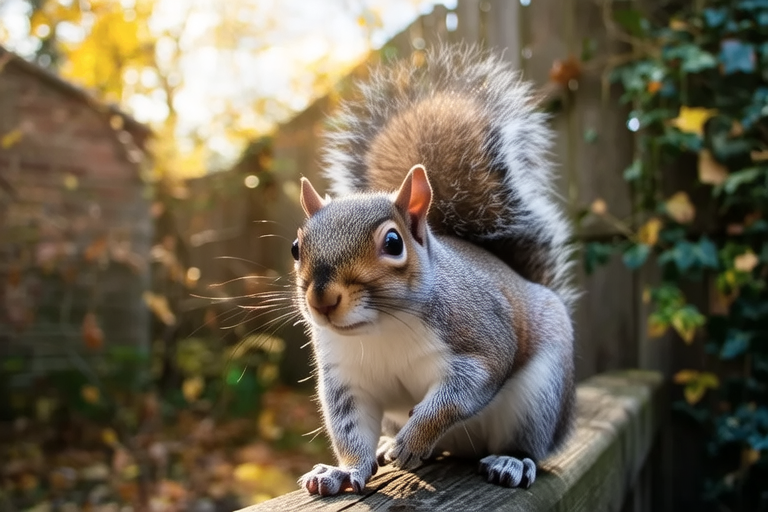
Urban Squirrels: Surviving the City
Squirrels have long been familiar figures in our cities, gracefully navigating streets, parks, and gardens. These small mammals, belonging to the Sciuridae family, have adapted remarkably well to urban environments. Their presence adds charm and intrigue to our daily lives, prompting many to wonder about their habits, behaviors, and survival strategies.
Habitats and Adaptations
In urban settings, squirrels find refuge in various habitats, including parks, residential areas, and commercial zones. They are most commonly found in parks where trees offer nesting sites and abundant food sources. Urban squirrels have adapted to their surroundings by utilizing human-made structures like buildings, bridges, and fences as perches and pathways. They also exploit bird feeders, trash cans, and compost piles for sustenance.
One of the most fascinating aspects of squirrels’ adaptation to urban life is their ability to navigate complex landscapes. Their agility allows them to leap from tree to tree or building to building, often covering considerable distances in a single bound. This skill helps them avoid predators and reach new feeding grounds.
Daily Routines and Survival Strategies
The daily routine of an urban squirrel revolves around foraging for food, finding safe places to rest, and avoiding danger. Their diet consists mainly of nuts, seeds, fruits, fungi, and occasionally insects. In urban environments, squirrels have expanded their menu to include human leftovers, such as bread crumbs and discarded snacks.
To survive in cities, squirrels have developed several strategies. They are diurnal animals, meaning they are most active during daylight hours, which aligns with human activity patterns. This overlap increases their chances of finding food and avoiding nocturnal predators. Additionally, squirrels store food in caches, a behavior known as scatter hoarding, to ensure a steady supply during lean times.
Communication plays a crucial role in urban squirrels’ survival. They use vocalizations, body language, and scent marking to convey information about potential threats, mating opportunities, and territorial boundaries. For example, when sensing danger, they emit high-pitched alarm calls to alert other squirrels in the vicinity.
Scientific Insights on Diet and Communication
The dietary habits of urban squirrels are influenced by the availability of resources. In cities, they have access to a diverse range of foods, including those provided by humans. However, this abundance can lead to nutritional imbalances if they rely too heavily on processed or unhealthy options. Studies have shown that squirrels prefer certain types of nuts and seeds over others, indicating a preference for specific nutrients.
Communication among squirrels is both complex and essential. Besides vocalizations, they employ visual signals and chemical cues to interact with each other. For instance, tail flicking and pouncing are used to express aggression or excitement. Scent marking serves multiple purposes, from establishing territory to attracting mates.
Myths and Interesting Facts
One common myth about squirrels is that they are monogamous. In reality, they exhibit polygynandry, meaning both males and females mate with multiple partners. Another misconception is that squirrels hibernate. While some species do enter torpor, a state of reduced metabolic activity, they do not hibernate in the traditional sense.
Urban squirrels have remarkable problem-solving abilities. They can figure out how to open complex containers, such as bird feeders with multiple locks, to access food. This intelligence is partly due to their need to adapt to ever-changing urban environments.
Tips for Safely Observing Urban Squirrels
Observing squirrels in your backyard can be an enjoyable and educational experience. To ensure a positive encounter:
- Stay calm and quiet to avoid startling the animals.
- Keep a safe distance to prevent stressing the squirrels.
- Avoid feeding them, as it can alter their natural foraging behavior and create dependency.
- Use binoculars or a camera with a zoom lens to get closer views without disturbing the animals.
- Respect wildlife laws and regulations in your area to protect both the animals and yourself.
By following these guidelines, you can enjoy watching squirrels while promoting their well-being.
Conclusion
Urban squirrels are fascinating creatures that have thrived in human-dominated landscapes. Their adaptability, problem-solving skills, and resourcefulness allow them to thrive amidst the hustle and bustle of city life. By understanding their behaviors, habitats, and adaptations, we can better appreciate these charming animals and coexist harmoniously with them.
