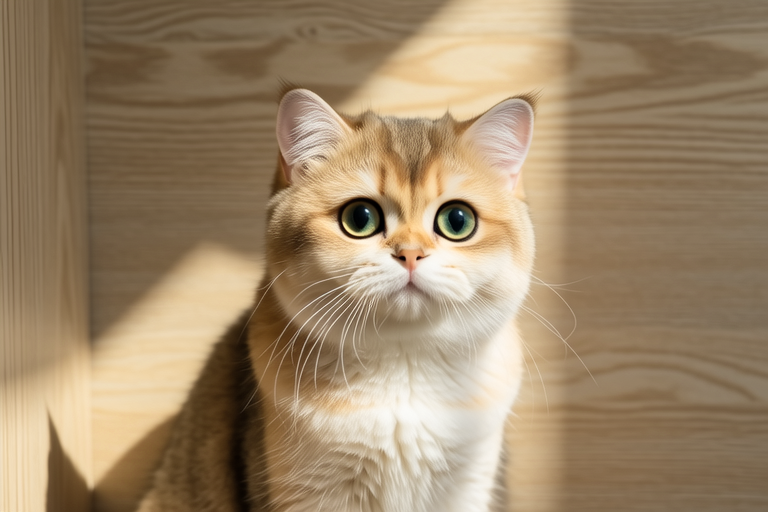
Unleashing Cuteness: Discovering the British Shorthair Golden Breed
The world of cat breeds is vast and varied, offering countless options for pet lovers. Among the many breeds, the British Shorthair stands out as a symbol of grace, loyalty, and charm. This article delves into the unique appeal of the British Shorthair, particularly focusing on its golden variation, exploring its rich history, physical attributes, temperament, and what makes it a perfect companion for families and individuals alike.
A Brief History of the British Shorthair
The British Shorthair has a history that dates back centuries, often depicted in paintings and sculptures from the Victorian era. Originating in Britain, this breed was initially developed from domestic shorthair cats that were brought over by the Romans. Over time, it became one of the most popular cat breeds in the United Kingdom and beyond. The golden variation, while not as widely recognized as the traditional blue variant, adds a touch of warmth and uniqueness to the breed.
Physical Characteristics
British Shorthairs, including the golden variety, are known for their robust and muscular bodies. They have a broad chest, short legs, and a thick tail. Their heads are round with prominent cheeks, giving them a sweet and approachable appearance. The golden coat of the British Shorthair is one of its most striking features. It ranges from a soft cream to a rich honey color, often with a subtle shimmer that catches the light beautifully. These cats typically have a dense, plush coat that feels luxurious to the touch.
Temperament
One of the most appealing aspects of the British Shorthair is its calm and gentle nature. These cats are known for being patient and tolerant, making them excellent companions for households with children or other pets. They are not overly active but enjoy playtime and will engage in interactive games when encouraged. Their affectionate and loyal demeanor means they often form strong bonds with their human families. British Shorthairs are also known for their independent streak, which allows them to entertain themselves when necessary.
Grooming Needs
Maintaining the lush coat of a British Shorthair requires regular grooming. Weekly brushing helps to remove loose hair and prevent matting, keeping the coat shiny and healthy. Bathing should be done only when necessary, as frequent washing can strip the natural oils from the skin. Dental hygiene is equally important, so it’s recommended to brush your cat’s teeth regularly and provide dental treats to promote good oral health. Regular nail trimming is also part of basic care to avoid discomfort for both the cat and the owner.
Health and Lifespan
Like all purebred cats, the British Shorthair is prone to certain health issues. Genetic predispositions include hypertrophic cardiomyopathy, a heart condition that can lead to sudden death if left untreated. Additionally, polycystic kidney disease (PKD) is another concern, especially in older cats. Regular veterinary check-ups are essential to catch any potential problems early. With proper care, British Shorthairs can live long, healthy lives, typically reaching ages between 12 and 17 years.
Common Behaviors
British Shorthairs are known for their laid-back nature, but they do exhibit some specific behaviors. They are often found lounging in sunny spots, basking in the warmth. Their curiosity leads them to explore their surroundings, and they may enjoy perching on high vantage points. Playful yet dignified, these cats will engage in short bursts of activity followed by periods of rest. Training a British Shorthair can be rewarding; they respond well to positive reinforcement and enjoy learning new tricks.
An Ideal Companion
The British Shorthair’s combination of charm, loyalty, and adaptability makes it an ideal companion for various living situations. Families with children benefit from the breed’s patience and tolerance. For individuals living alone, the British Shorthair provides comforting companionship without overwhelming demands. Their easygoing nature means they can adjust to different environments, whether it’s a busy household or a quiet apartment. Moreover, their low maintenance needs make them suitable for first-time cat owners.
Tips for Potential Owners
For those considering adopting a British Shorthair Golden, there are several steps to ensure a smooth transition:
- Prepare the Home: Create a safe and comfortable environment with designated areas for sleeping, eating, and playing. Provide scratching posts, toys, and litter boxes.
- Establish Routine: Cats thrive on routine, so establish feeding times, play sessions, and grooming schedules. Consistency helps your cat feel secure.
- Engage and Bond: Spend quality time with your cat through play and interaction. Use treats and toys to encourage engagement and strengthen the bond.
- Seek Professional Advice: Consult with a veterinarian about vaccinations, spaying/neutering, and preventive care. Regular check-ups are crucial for maintaining your cat’s health.
Conclusion
The British Shorthair Golden is a delightful addition to any home, offering a blend of beauty, affection, and ease of care. Its rich history, distinctive appearance, and loving nature make it a cherished companion. By understanding its needs and providing proper care, you can ensure a lifetime of happiness with your British Shorthair Golden. Embrace the joy of having such a wonderful feline friend and experience the unique charm that this breed brings to your life.
