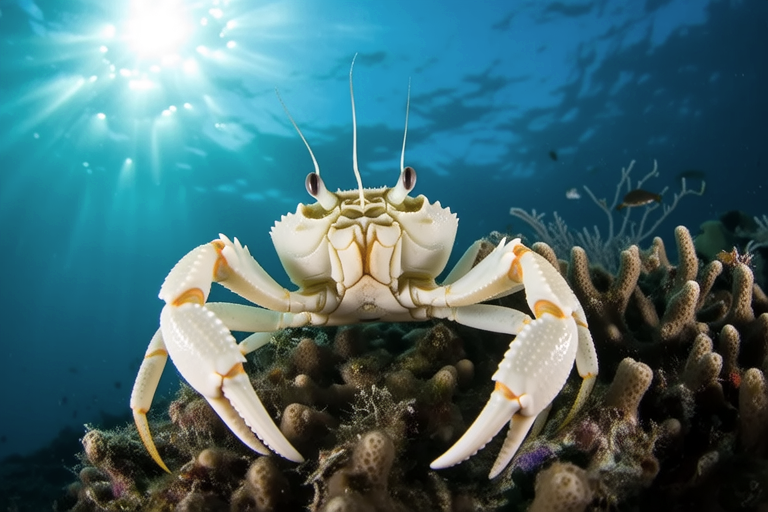
Meet the Pea Crab: Nature’s Microscopic Marvel
Welcome to the fascinating world of the pea crab, a tiny yet extraordinary inhabitant of the vast ocean. This article will introduce you to the pea crab, exploring its unique characteristics, habitat, and the vital role it plays in marine ecosystems.
A Tiny Wonder
The pea crab (Pinnotheres spp.) is one of the smallest crabs in the world, typically measuring less than an inch in length. Despite its diminutive size, this species has captured the attention of marine biologists and enthusiasts alike. Pea crabs have a remarkable ability to thrive within the bodies of larger marine organisms, creating a niche environment that few other creatures can exploit.
Unique Habitat
Pea crabs are known for their symbiotic relationships with various marine animals, including clams, oysters, sea cucumbers, and even sea stars. They reside inside the mantle cavity of their hosts, where they are protected from predators and provided with a steady supply of nutrients. The crabs enter the host through small openings, such as the gills or siphons, and settle into a safe, secluded space. Once inside, they form a close-knit relationship with their host, benefiting from the protection and resources offered.
Physical Characteristics
Pea crabs exhibit a range of colors, from pale white to shades of brown and orange, often blending in with their hosts. Their soft, pliable exoskeletons allow them to fit snugly within the confines of their hosts’ bodies. The crabs possess two pairs of walking legs, used primarily for movement within the host, and a pair of claws that vary in size depending on the species. These claws are adapted for capturing food and defending themselves against potential threats.
Adaptations for Survival
The pea crab’s ability to adapt to its unique living conditions is truly remarkable. Its flexible body allows it to maneuver through narrow spaces within its host, while its thin exoskeleton minimizes friction and helps it avoid detection by predators. Additionally, pea crabs have evolved to be highly efficient at extracting nutrients from their host’s tissues, ensuring a steady supply of energy for growth and reproduction.
Symbiotic Relationship
The relationship between pea crabs and their hosts is a prime example of mutualism, where both organisms benefit from each other’s presence. For the pea crab, the host provides shelter, protection, and a reliable source of food. In return, the crab contributes to the host’s well-being by feeding on parasites and detritus within the host’s body, thereby reducing the risk of infection and promoting overall health.
However, this relationship is not without its challenges. The crab must carefully balance its activities to avoid causing harm to its host, which could result in expulsion or rejection. Moreover, the host must tolerate the presence of the crab, sometimes at the expense of its own resources. This delicate equilibrium underscores the complexity of symbiotic relationships in nature.
Diet and Reproduction
Pea crabs are omnivorous, feeding on a variety of food sources within their hosts, including organic matter, bacteria, and small organisms. Their diet is essential for maintaining the health of their hosts, as it helps to regulate the internal environment and prevent the buildup of harmful substances.
The reproduction cycle of pea crabs is closely tied to their host’s lifecycle. Females carry their eggs on their undersides until they hatch, after which the larvae are released into the water column. The larvae then seek out suitable hosts, repeating the cycle of life. This reproductive strategy ensures the continuation of the species and the maintenance of the symbiotic relationship.
Threats to Pea Crabs
Despite their adaptations, pea crabs face numerous threats in their ecosystem. Overfishing and pollution pose significant risks to their hosts, which can lead to a decline in the availability of suitable habitats. Additionally, climate change may alter the distribution and abundance of potential hosts, further impacting the pea crab population. Conservation efforts aimed at protecting marine ecosystems are crucial for ensuring the survival of these tiny creatures.
The Importance of Conservation
The pea crab plays a vital role in maintaining the health and balance of marine ecosystems. By regulating the internal environment of their hosts and contributing to nutrient cycling, pea crabs help to support the overall functioning of the ecosystem. Furthermore, the study of these crabs provides valuable insights into the complex interactions between organisms and their environments, offering lessons that can be applied to the conservation of other species.
As we continue to explore the wonders of the ocean, it is essential to recognize the significance of even the smallest inhabitants. By fostering an appreciation for the diversity of life in our oceans, we can work together to protect and preserve these delicate ecosystems for future generations. Encouraging curiosity and wonder in others can inspire a greater commitment to conservation and sustainability.
In conclusion, the pea crab is a true marvel of nature, embodying the resilience and adaptability of life in the ocean. Through its unique symbiotic relationship with its hosts and its vital role in marine ecosystems, the pea crab exemplifies the intricate web of life that exists beneath the waves. Let us celebrate these tiny creatures and the incredible world they inhabit, inspiring a deeper understanding and appreciation for the biodiversity that enriches our planet.
