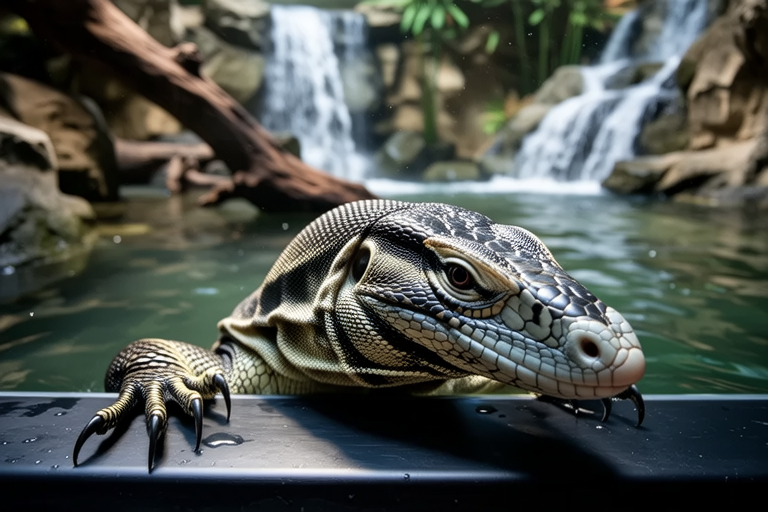
Aquatic Adventures: How to Keep Your Water Monitor Happy and Healthy
Water monitors (Varanus salvator) are one of the most fascinating reptiles that enthusiasts can keep as pets. These semi-aquatic creatures are native to Southeast Asia and are known for their impressive size and agility. However, keeping a water monitor happy and healthy requires a deep understanding of their specific needs. This article will guide you through setting up the perfect habitat, meeting their dietary needs, ensuring they get enough exercise, providing proper healthcare, and fostering positive social interactions.
Habitat Setup: Creating a Naturalistic Environment
The first step in keeping your water monitor healthy is providing a suitable habitat. Water monitors need both land and water areas to thrive. The enclosure should mimic their natural environment as closely as possible. A large tank or custom-built enclosure is necessary due to their size. For a young monitor, a 4x2x2 feet (122x61x61 cm) enclosure might suffice, but adults will require much more space. As they grow, consider a 6x3x3 feet (183x91x91 cm) or larger enclosure.
Substrate choice is crucial. Avoid pine or cedar shavings, which can be toxic. Instead, opt for reptile-safe substrates like coconut fiber, bark chips, or reptile carpet. Ensure the substrate is deep enough for burrowing, as this is essential for their comfort and mental stimulation. The water area should be deep enough for swimming, with smooth edges to prevent injury. A filtration system is recommended to maintain water quality.
Temperature and humidity control are vital for water monitors. They require a temperature gradient, with a basking spot reaching around 95-100°F (35-38°C) and cooler areas around 75-85°F (24-29°C). Use heat lamps, under-tank heaters, or ceramic heat emitters to achieve these temperatures. Humidity levels should be maintained between 60% and 80%. Proper ventilation is also important to prevent respiratory issues.
Dietary Needs: Fueling Their Active Lifestyle
Water monitors have high metabolisms and require a varied diet to stay healthy. In the wild, their diet consists of fish, insects, small mammals, birds, and eggs. As pets, they should be fed a balanced diet of lean proteins. Offer them appropriately sized prey items such as mice, rats, feeder fish, and insects like crickets and mealworms. Young monitors may eat daily, while adults can be fed every other day.
Variety is key. Introduce different types of prey to ensure they receive all necessary nutrients. Gut loading prey items with nutritious foods before feeding them to your monitor can enhance their nutritional value. Additionally, supplement their diet with calcium and vitamins, especially vitamin D3, to support bone health and overall well-being. Overfeeding should be avoided to prevent obesity and related health issues.
Exercise Requirements: Encouraging Physical Activity
Water monitors are active animals that require ample space for exercise. Provide them with opportunities to swim, climb, and explore their environment. In addition to a large enclosure, include branches, rocks, and logs for climbing. Ensure these structures are securely placed to prevent falls. Floating platforms can also be added to the water area for additional climbing and resting spots.
Encourage regular swimming by maintaining clean water and ensuring it’s deep enough for them to move freely. Exercise helps maintain muscle tone and promotes good digestion. Regular activity also contributes to mental stimulation, reducing stress and preventing boredom. Owners should engage with their monitors by offering new toys and rearranging the enclosure periodically to keep the environment interesting.
Health Care Tips: Preventing and Treating Common Issues
Regular veterinary check-ups are essential for the health of your water monitor. Find a veterinarian experienced with reptiles. Signs of illness include loss of appetite, lethargy, abnormal feces, or changes in skin color. Early detection and treatment of health issues are crucial.
Parasites are common in water monitors. Regular fecal exams can help detect and treat parasites before they become problematic. Skin infections can occur if the enclosure is not kept clean or if the water is not properly filtered. Maintaining hygiene and addressing any issues promptly can prevent these problems.
Bacterial and fungal infections can also affect water monitors. Keeping the enclosure clean and dry, and ensuring appropriate humidity levels, can help prevent these infections. If an infection does occur, consult a veterinarian for proper diagnosis and treatment. Proper nutrition and hydration play a significant role in boosting the immune system and helping your monitor fight off illnesses.
Social Interaction Guidelines: Building a Bond
Water monitors are intelligent and curious animals that can form strong bonds with their owners. While they are not typically affectionate, they can learn to recognize and respond to their caretakers. Spend time handling your monitor regularly, but always handle them gently and with respect.
Positive reinforcement techniques can be used to encourage desired behaviors. Reward your monitor with treats for responding positively to commands or handling. Socialization with other water monitors is generally not recommended, as they can be territorial and aggressive towards each other. However, some owners have successfully introduced compatible monitors, so careful research and planning are essential.
Understanding your water monitor’s body language is crucial for building a bond. Pay attention to signs of stress, such as hissing, tail thrashing, or attempting to escape. If your monitor exhibits these behaviors, reassess its environment and try to identify and address any issues causing discomfort. Patience and consistency are key when interacting with your water monitor.
Conclusion: Embracing the Journey
Owning a water monitor is a rewarding experience that comes with unique challenges and joys. By providing a suitable habitat, meeting their dietary needs, ensuring they get enough exercise, and fostering positive social interactions, you can help your water monitor live a long and healthy life. Remember, these animals are intelligent and have complex needs. Take the time to understand and meet those needs, and you’ll be rewarded with a loyal companion and a fascinating pet.
