Top 10 Fascinating Facts About Coral Shrimp You Didn’t Know
Coral reefs are vibrant underwater cities teeming with life, and among the most intriguing inhabitants are coral shrimp. These tiny crustaceans play vital roles in their ecosystems, yet many people remain unaware of their remarkable adaptations and behaviors. Dive into the ocean with us as we explore ten fascinating facts about coral shrimp that will leave you amazed.
Fact 1: Unique Habitat Preferences
Coral shrimp are highly selective when it comes to choosing their homes within the reef structure. While many species prefer the sheltered crevices and overhangs of coral formations, some have developed an affinity for specific types of coral. For instance, the blood shrimp (Lysmata debelius) favors soft corals like sea fans, while others, such as the peppermint shrimp (Lysmata wurdemanni), are partial to branching corals like staghorn. This preference for certain coral types can be attributed to the availability of food sources and protection from predators. The intricate relationship between coral shrimp and their chosen corals highlights the delicate balance of life within the reef ecosystem.
Fact 2: Diet Beyond Symbiosis
Many coral shrimp are known for their symbiotic relationships with various organisms, but they also maintain diverse diets. In addition to cleaning parasites and dead tissue from fish, coral shrimp are opportunistic feeders, consuming small plankton, algae, and even detritus. Some species, like the scarlet cleaner shrimp (Lysmata amboinensis), have been observed scavenging on dead coral polyps and feeding on the mucus secretions of their host corals. This varied diet allows them to thrive in environments where food sources might otherwise be scarce, demonstrating their adaptability and resilience.
Fact 3: Cleaning Stations and Social Behavior
Coral shrimp are renowned for their cleaning stations, where they perform a crucial role in maintaining the health of reef fish. However, these stations are not just random gatherings; they are carefully managed social hubs. Cleaner shrimp establish territories and signal their readiness to clean by performing distinct movements and postures. Fish recognize these signals and visit the stations to receive grooming services. This mutualistic relationship benefits both parties, as the shrimp get a meal, and the fish enjoy a parasite-free environment. Interestingly, some cleaner shrimp species have been observed to engage in aggressive competition with other cleaners, even resorting to biting or chasing away rivals to protect their territory.
Fact 4: Colorful Camouflage
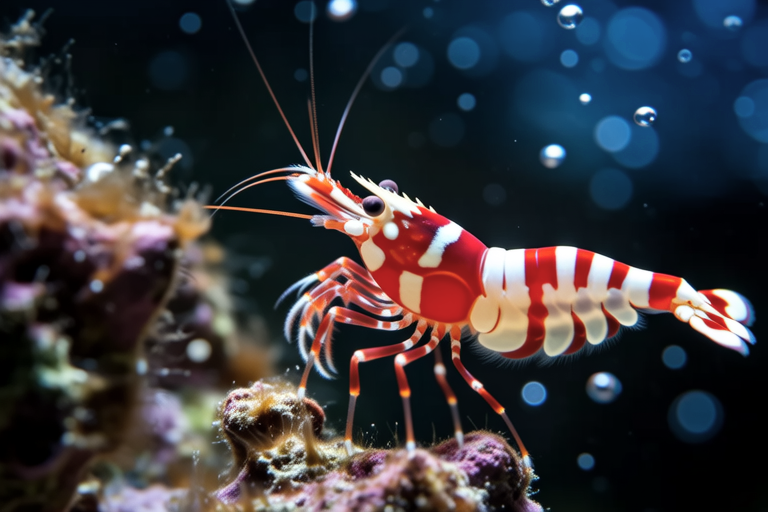
Despite their vibrant hues, coral shrimp employ clever camouflage techniques to blend in with their surroundings. Many species sport patterns that mimic the colors and textures of their coral hosts, making them nearly invisible to potential predators. The peppermint shrimp, for example, has alternating red and white stripes that resemble the polyps of its preferred coral habitats. This adaptation not only aids in predator avoidance but also helps them sneak up on unsuspecting prey, enhancing their hunting success. Their ability to match their environment underscores the importance of coloration in survival strategies.
Fact 5: Mating Rituals and Reproduction
The mating rituals of coral shrimp are far from mundane. During courtship, male shrimp often display elaborate dances and color changes to attract females. Once a pair bonds, they release their gametes into the water column simultaneously, a process known as broadcast spawning. The fertilized eggs then drift through the currents until they settle on suitable substrates. Some species exhibit parental care, with females carrying their eggs beneath their bodies until they hatch. This nurturing behavior increases the chances of offspring survival, contributing to the stability of the coral reef community.
Fact 6: Adaptations to Environmental Stressors
Coral reefs face numerous environmental challenges, including rising sea temperatures, pollution, and ocean acidification. Coral shrimp have evolved several physiological adaptations to cope with these stressors. For example, some species have developed thicker exoskeletons to withstand increased acidity, while others have enhanced metabolic rates to better utilize available resources during periods of scarcity. These adaptations enable coral shrimp to persist in changing environments, ensuring the continued health of their ecosystems.
Fact 7: Predatory Abilities
While coral shrimp are primarily associated with cleaning and scavenging, some species possess formidable predatory skills. The harlequin shrimp (Hymenocera picta), for instance, is a master hunter, specializing in preying on starfish. Using its powerful claws, this shrimp dismembers its prey piece by piece, consuming only the internal organs. This unique dietary preference sets the harlequin shrimp apart from other coral shrimp species, showcasing the diversity of feeding strategies within the family.
Fact 8: Seasonal Movements
Many coral shrimp species undertake seasonal migrations within the reef, following patterns dictated by changes in temperature, food availability, and breeding cycles. These movements can cover significant distances and involve complex navigation mechanisms. For example, some species travel deeper into the reef during cooler months to find refuge from harsh conditions at the surface. Understanding these migratory behaviors provides valuable insights into the overall dynamics of reef ecosystems and the factors influencing species distribution.
Fact 9: Lifespan and Growth Patterns
Coral shrimp exhibit a wide range of lifespans and growth patterns depending on their species and environmental conditions. On average, most coral shrimp live for about two years, though some may survive longer under optimal circumstances. Growth rates vary widely as well, with some species reaching maturity within months, while others take several years to fully develop. Factors such as food availability, predation pressure, and water quality all play crucial roles in determining how quickly and how long these shrimp can grow and thrive.
Fact 10: Contribution to Reef Health
Beyond their direct interactions with fish and other animals, coral shrimp contribute significantly to the overall health of coral reefs. By consuming algae and detritus, they help prevent overgrowth that could smother corals and reduce light penetration. Additionally, their feeding habits promote nutrient cycling within the reef, supporting the growth of beneficial microorganisms and enhancing the productivity of the entire ecosystem. Through these indirect effects, coral shrimp play a vital role in maintaining the balance and resilience of coral reefs.
Call to Action
As we have explored these fascinating facts about coral shrimp, it becomes clear that these small creatures are integral to the survival and vibrancy of coral reefs. However, coral reefs worldwide are facing unprecedented threats due to human activities, including climate change, pollution, and unsustainable fishing practices. To ensure the continued existence of coral shrimp and the countless other species that depend on reefs, it is essential for individuals to support marine conservation efforts. Whether through volunteering, donating, or simply raising awareness, every action counts in preserving our oceans’ precious biodiversity.
