How Clownfish Survive in the Ocean’s Most Hostile Environments
Introduction to Clownfish and Their Habitats
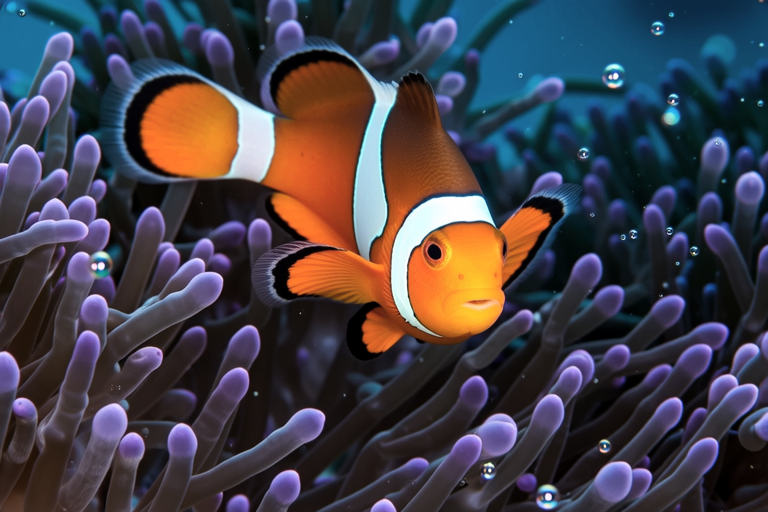
Clownfish, also known as anemonefish, are small, brightly colored fish that belong to the family Amphiprioninae. These fascinating creatures are found in the warm waters of the Pacific and Indian Oceans, primarily inhabiting coral reefs and lagoons. The most recognizable species is the orange-and-white-striped A. ocellaris, or the false clownfish, which has been popularized by movies like Finding Nemo. Clownfish typically live in close association with sea anemones, organisms that can be both their allies and adversaries in the ocean.
Challenges of Hostile Ocean Environments
The ocean can be a harsh environment, especially for smaller fish like clownfish. Extreme temperatures, scarce food resources, and constant threat from predators are just some of the challenges they face. Coral reefs, despite being vibrant ecosystems, are particularly vulnerable to environmental changes. Rising sea temperatures due to global warming can lead to coral bleaching, where the algae living within the coral die off, turning the reefs white and less hospitable for the clownfish. Additionally, overfishing and pollution further degrade the reef habitats, reducing the availability of food and shelter.
Predators pose another significant threat. Larger fish, such as groupers and eels, often lurk near the reefs, waiting for an opportunity to snatch a clownfish. In these hostile environments, clownfish must develop effective survival strategies to thrive.
Symbiotic Relationship with Sea Anemones
One of the most remarkable adaptations of clownfish is their symbiotic relationship with sea anemones. This partnership provides mutual benefits. The sea anemone offers protection to the clownfish through its venomous tentacles, which deter many predators. In return, the clownfish drives away potential predators of the anemone and helps in cleaning the anemone by consuming parasites and dead tissue. This relationship is so crucial that clownfish have developed a unique layer of mucus on their skin, which allows them to avoid the anemone’s stinging cells, making it safe for them to live among the tentacles.
Scientific studies have shown that this mucus layer is not present at birth but develops after the clownfish spends time with the anemone. This adaptation demonstrates the intricate evolutionary process between these two species, highlighting the complexity of marine life.
Camouflage Through Coloration
Another key adaptation of clownfish is their distinctive coloration. Their bright stripes and patterns serve as a form of camouflage, helping them blend into their surroundings. While this might seem counterintuitive, as bright colors usually attract attention, in the case of clownfish, it serves multiple purposes. The contrasting colors of their stripes can break up the outline of their body, making it harder for predators to focus on them. Moreover, these colors can signal to other clownfish and potential mates, indicating their health and fitness.
Research has indicated that the coloration of clownfish can vary depending on their environment and social status within their group. Dominant individuals tend to have more vivid colors, while subordinates may have duller hues. This variation suggests that coloration plays a role in communication and social hierarchy within clownfish communities.
Behavioral Strategies for Survival
In addition to physical adaptations, clownfish employ various behavioral strategies to ensure their survival. They are highly territorial and fiercely defend their anemone homes against intruders, including other clownfish. This behavior not only protects their food source and shelter but also helps maintain the stability of their community.
Clownfish also exhibit complex social structures within their groups. Typically, there is a dominant female and a dominant male, with subordinate males that help care for the eggs. When the dominant female dies, the dominant male undergoes a sex change and becomes the new female, ensuring the continuity of the group. This flexibility in reproductive roles allows clownfish populations to recover quickly from losses, enhancing their chances of survival in challenging conditions.
Real-World Examples and Scientific Insights
Several real-world examples illustrate the resilience of clownfish in hostile environments. In the Great Barrier Reef, where coral bleaching has significantly impacted the ecosystem, researchers have observed that clownfish populations have managed to persist by adapting to the changing conditions. They have shifted their territories to areas where the anemones are still thriving, demonstrating their ability to adapt to environmental stressors.
Studies conducted by marine biologists have also shown that clownfish can survive in lower oxygen levels compared to many other reef fish, making them more resilient during periods of reduced water quality. This capability is crucial in polluted waters, where dissolved oxygen levels can drop significantly.
Conclusion: Resilience and Importance of Survival Strategies
Clownfish exemplify resilience and adaptability in the face of environmental challenges. Their unique adaptations, including their symbiotic relationship with sea anemones, their coloration for camouflage, and their sophisticated behavioral strategies, allow them to thrive in some of the most hostile environments in the ocean. These survival strategies are not only vital for the clownfish themselves but also play a critical role in maintaining marine biodiversity.
The resilience of clownfish underscores the importance of protecting marine ecosystems. By preserving the habitats of clownfish and other marine species, we can help ensure the health and sustainability of our oceans for future generations. As we continue to explore and understand the complexities of marine life, the story of the clownfish serves as a powerful reminder of the delicate balance that exists within our planet’s ecosystems.
