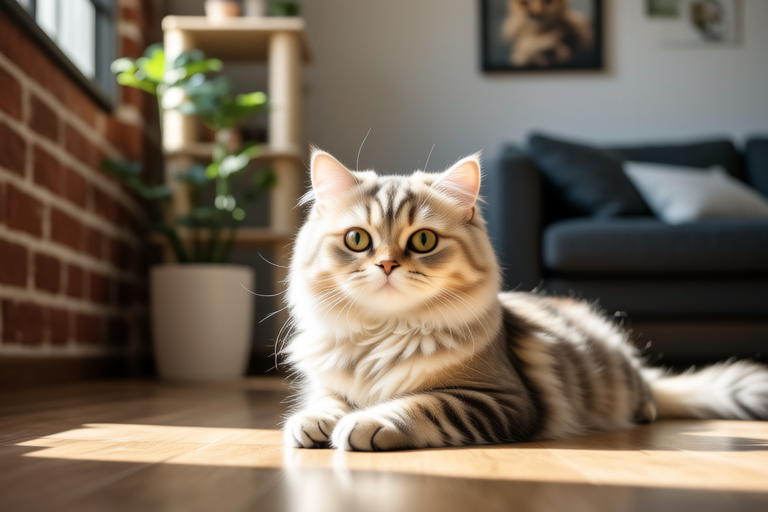
Top 10 Facts About Keeping Your Golden British Shorthair Happy and Healthy
The golden British Shorthair, with its plush, luxurious coat and affectionate nature, is a beloved breed among cat enthusiasts. To ensure your golden British Shorthair lives a long, healthy, and happy life, it’s essential to understand their unique needs and provide them with the best care possible. This article delves into the top ten facts about keeping your golden British Shorthair happy and healthy, covering dietary needs, exercise, grooming, health issues, behavior, environmental enrichment, social interaction, playtime activities, regular veterinary visits, and toy selection.
1. Dietary Needs
A balanced diet is crucial for maintaining the health and vitality of your golden British Shorthair. These cats have specific dietary requirements that must be met to prevent obesity and other health problems. High-quality cat food rich in protein and low in carbohydrates is recommended. Avoid feeding your cat excessive amounts of treats or human food, as this can lead to weight gain and digestive issues. Consult your veterinarian to determine the ideal calorie intake and nutrient balance for your cat based on their age, activity level, and overall health.
2. Exercise Requirements
Golden British Shorthairs are known for their robust and muscular build, but they can become overweight if not provided with adequate exercise. Regular play sessions help maintain a healthy weight and promote cardiovascular fitness. Interactive toys, such as feather wands or laser pointers, stimulate both physical and mental activity. Encourage your cat to engage in at least 15 minutes of moderate activity daily. Climbing structures and scratching posts also offer opportunities for physical exertion and mental stimulation.
3. Grooming Tips
The golden British Shorthair’s thick, dense coat requires regular grooming to prevent matting and hairballs. Brush your cat at least twice a week, paying special attention to areas prone to tangles, such as behind the ears and under the legs. Use a slicker brush to remove loose hair and distribute natural oils throughout the coat. Bathing should be minimal, as frequent washing can strip away essential skin oils. When bathing is necessary, use a mild, pH-balanced shampoo formulated specifically for cats.
4. Common Health Issues
Like all breeds, golden British Shorthairs are susceptible to certain health conditions. Hypertrophic cardiomyopathy (HCM) is a prevalent heart disease that can affect the breed. Early detection through regular veterinary check-ups is vital for managing this condition. Polycystic kidney disease (PKD) is another hereditary issue that may occur in golden British Shorthairs. Genetic testing can identify carriers and affected cats, helping to reduce the incidence of PKD in future generations. Routine screenings and preventive care can significantly improve the quality of life for affected cats.
5. Behavioral Insights
Understanding your golden British Shorthair’s behavior can enhance your relationship and ensure their well-being. These cats are generally calm, docile, and enjoy spending time with their owners. They are known for their independent nature, yet they still seek companionship and affection. Providing a comfortable, secure environment with designated spaces for resting and playing encourages positive behavior. Address any unwanted behaviors, such as scratching furniture, by offering alternative outlets, like scratching posts or interactive toys. Positive reinforcement training methods can also help shape desirable behaviors.
6. Environmental Enrichment Ideas
Creating an enriching environment for your golden British Shorthair promotes mental and physical stimulation. Incorporate various elements to cater to their natural instincts and preferences. Install window perches to allow your cat to observe outdoor activities, stimulating their curiosity and providing entertainment. Provide hiding spots, such as cardboard boxes or tunnels, to satisfy their desire for security and exploration. Rotate toys and puzzles to keep your cat engaged and prevent boredom. A stimulating environment fosters a sense of adventure and contentment in your golden British Shorthair.
7. Social Interaction Benefits
Social interaction plays a significant role in the happiness and well-being of your golden British Shorthair. These cats thrive on companionship and form strong bonds with their owners. Spend quality time with your cat through petting, talking, and engaging in play. If you work long hours or are frequently away from home, consider adopting a second cat to provide companionship. Introducing a compatible feline friend can alleviate feelings of loneliness and stress, promoting a healthier, happier household.
8. Appropriate Playtime Activities
Playtime is essential for the physical and mental development of your golden British Shorthair. Choose toys that encourage hunting and stalking behaviors, such as feather wands or interactive mice. Puzzle toys filled with treats stimulate problem-solving skills and provide mental engagement. Rotate toys regularly to maintain your cat’s interest and prevent boredom. Play sessions not only strengthen the bond between you and your cat but also contribute to their overall health and happiness.
9. Importance of Regular Vet Visits
Scheduling routine veterinary appointments is crucial for monitoring your golden British Shorthair’s health and addressing any concerns promptly. Annual wellness exams allow veterinarians to assess your cat’s overall health, perform necessary vaccinations, and conduct diagnostic tests. Early detection and treatment of potential health issues can extend your cat’s lifespan and improve their quality of life. Discuss any changes in behavior, appetite, or physical appearance with your veterinarian to ensure your golden British Shorthair receives the best possible care.
10. Advice on Selecting Suitable Toys
Selecting appropriate toys for your golden British Shorthair is vital for their enjoyment and well-being. Consider your cat’s preferences and interests when choosing toys. Feather wands and laser pointers are excellent options for encouraging active play and hunting instincts. Puzzle toys filled with treats provide mental stimulation and reward-seeking behavior. Balls and catnip toys are great for solo play and relaxation. Rotate toys regularly to maintain your cat’s interest and prevent boredom. Ensuring a variety of toys keeps your golden British Shorthair entertained and engaged.
In conclusion, keeping your golden British Shorthair happy and healthy involves understanding their unique needs and providing them with the best care possible. By focusing on their dietary requirements, exercise, grooming, health, behavior, environmental enrichment, social interaction, playtime activities, regular veterinary visits, and appropriate toy selection, you can ensure your golden British Shorthair leads a fulfilling and joyful life. Remember, a healthy and happy cat is a cherished companion, bringing joy and companionship to your home.
