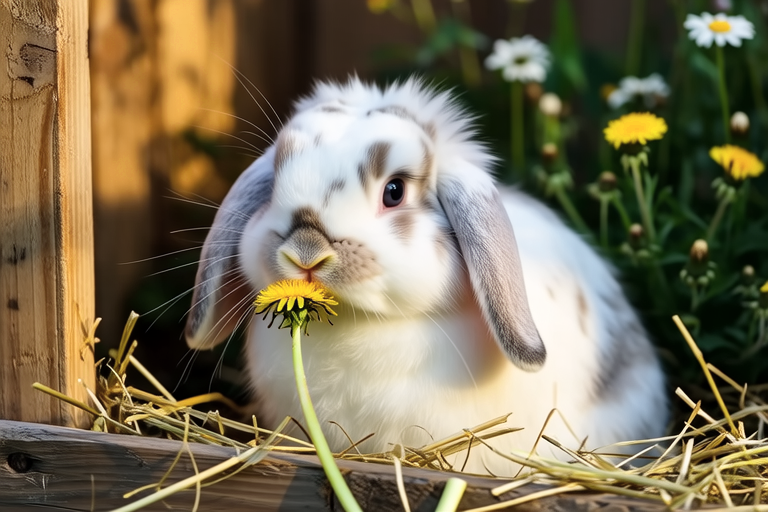
The Complete Guide to Ensuring Your Lop Rabbit Lives Its Happiest Life
Welcome to the comprehensive guide designed to help you provide the best possible life for your beloved lop rabbit. From dietary needs to social interaction, this article will cover everything you need to know to ensure your pet enjoys a long, healthy, and happy existence.
Proper Diet for Lop Rabbits
Feeding your lop rabbit the right diet is crucial for its overall health. The primary component of their diet should be hay, which provides necessary fiber for digestion and dental health. Fresh grass hay, such as timothy or orchard grass, is ideal. Pellets should make up only a small portion of the diet, ensuring they are high-quality and free from artificial additives.
In addition to hay and pellets, fresh vegetables and fruits can be offered in moderation. Carrots, broccoli, and spinach are excellent choices. Always introduce new foods gradually to avoid digestive upset. Remember, water is vital; always provide clean, fresh water daily.
Essential Exercise and Playtime
Lop rabbits require regular exercise to maintain good physical health. A spacious indoor or outdoor enclosure allows them to run, jump, and explore. Daily supervised play sessions outside the cage are also beneficial. Use tunnels, cardboard boxes, and toys to stimulate their curiosity and provide mental stimulation.
Interactive games like hide-and-seek or fetch can strengthen the bond between you and your rabbit while keeping them active. Ensure any toys used are safe and rabbit-proofed to prevent ingestion of harmful materials.
Suitable Living Environments
A well-designed living space is key to your lop rabbit’s happiness. The cage should be large enough to allow movement and include areas for sleeping, eating, and toileting. Bedding made from soft, absorbent materials like fleece or paper-based products ensures comfort and hygiene.
If possible, let your rabbit have access to a secure outdoor area under supervision. Natural sunlight promotes vitamin D synthesis, but be cautious of direct sun exposure and extreme temperatures. Regular cleaning of the living area prevents odors and reduces the risk of infections.
Grooming Needs
Lop rabbits have long ears that require gentle handling and regular cleaning to prevent infections. Use a damp cloth to wipe away dirt and debris. Brushing your rabbit’s fur weekly helps remove loose hair and prevents matting, especially during shedding seasons.
Trimming nails is another important aspect of grooming. Consult a veterinarian if unsure about how to safely perform this task. Regular grooming sessions not only keep your rabbit looking its best but also provide valuable bonding time.
Common Health Issues and Preventive Care
Regular veterinary check-ups are essential for early detection of potential health problems. Common issues include dental disease, obesity, and respiratory infections. Signs of illness may include changes in appetite, behavior, or appearance.
Vaccinations against common diseases and deworming treatments are recommended based on local conditions. Maintaining a balanced diet and exercise routine can significantly reduce the likelihood of many health issues. Prompt attention to any unusual symptoms ensures quicker recovery and better outcomes.
Socialization Tips
Rabbits are social animals that thrive on companionship. Introducing your lop rabbit to other friendly pets, such as guinea pigs or other rabbits, can enrich its social life. However, always supervise interactions and ensure compatibility before allowing unsupervised play.
Gradual introductions to new people and environments help build confidence and reduce stress. Positive reinforcement training techniques encourage desirable behaviors while discouraging unwanted ones. Engaging in these activities fosters trust and strengthens relationships.
Advice on Bonding with Your Rabbit
Bonding with your lop rabbit involves creating a nurturing environment where it feels safe and loved. Spend quality time together every day, offering gentle affection through petting and talking softly. Establish routines that include feeding times, play sessions, and grooming.
Understanding your rabbit’s body language helps interpret its moods and needs. Happy rabbits often thump their hind legs, twitch their noses, or stretch out fully. Recognizing these signals enables more effective communication and deeper connections.
By following these guidelines, you can ensure your lop rabbit leads a fulfilling and joyful life. Remember, each rabbit has unique preferences and requirements, so tailor your approach accordingly. With dedication and love, you’ll create lasting memories and a lifelong friendship.
