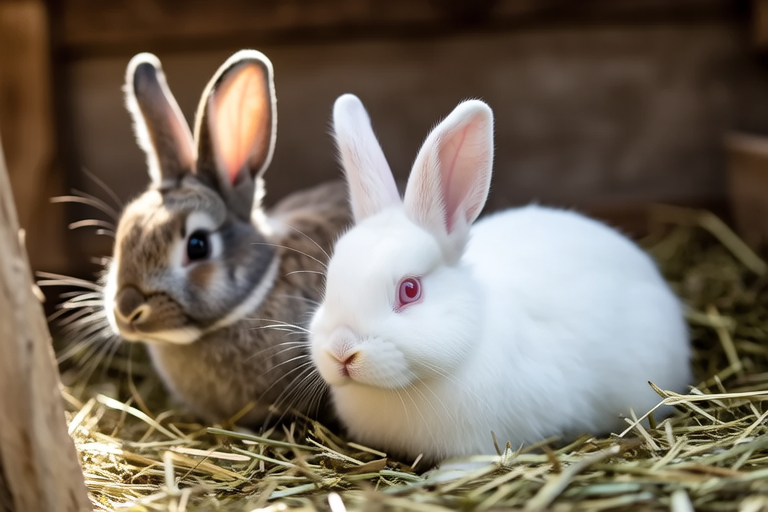
Adorable Dutch Dwarf Rabbits and Their Unique Care Needs
Dutch Dwarf rabbits are among the smallest breeds of domesticated rabbits, making them a popular choice for pet lovers who want a compact and charming companion. These rabbits typically weigh between 1.8 to 2.3 pounds and measure about 9 to 11 inches in length. Their petite size and unique coloring make them stand out, with their distinctive white markings covering their faces, feet, and tail contrasting against their solid-colored bodies, which can be black, blue, chocolate, or lilac.
Temperament and Personality
Dutch Dwarfs are known for their playful and curious nature. They are generally gentle and affectionate, often bonding closely with their owners. Their small size means they are well-suited for indoor living, where they can be handled easily and interacted with frequently. However, like all rabbits, they require gentle handling and a quiet environment to feel secure.
Dietary Requirements
Feeding your Dutch Dwarf rabbit a balanced diet is crucial for maintaining its health and longevity. The foundation of their diet should be high-quality grass hay, such as timothy hay, which provides essential fiber that aids in digestion and prevents gastrointestinal issues. Fresh vegetables, particularly leafy greens like romaine lettuce, spinach, and parsley, should also be included in their daily meals. Avoid feeding them iceberg lettuce, as it can cause digestive problems.
In addition to hay and vegetables, Dutch Dwarfs should be fed a small amount of commercial rabbit pellets designed for their age group. Younger rabbits may need pellets specifically formulated for growth, while adult rabbits benefit from those tailored for maintenance. Pellets should be given in moderation, as overfeeding can lead to obesity and related health issues.
Living Environment
A spacious living environment is essential for Dutch Dwarfs to thrive. While they are small, they are active and need room to move around, explore, and play. A large rabbit hutch or cage with plenty of space is recommended, ideally with multiple levels to allow for vertical exploration. The enclosure should be kept clean, with bedding made from absorbent materials like paper-based litter or wood shavings.
Regular exercise is vital for these rabbits, so providing time outside their enclosure each day is necessary. A safe, enclosed area where they can hop, run, and dig is ideal. This helps prevent behavioral issues such as chewing and digging indoors due to boredom.
Grooming Needs
Dutch Dwarfs have short, dense coats that require regular grooming to keep them clean and free of mats. Brushing them weekly with a soft-bristled brush will help remove loose hair and distribute natural oils throughout their coat. During shedding seasons, especially spring and fall, more frequent brushing may be required to prevent hairballs.
Nail trimming is another important aspect of grooming. Overgrown nails can cause discomfort and difficulty walking. Trimming should be done carefully, ensuring you do not cut the quick, which contains blood vessels and nerves. If unsure, consult a veterinarian for guidance on proper nail trimming techniques.
Health Issues and Preventive Care
Like any other rabbit breed, Dutch Dwarfs are prone to certain health issues. Gastrointestinal stasis, a condition where the digestive system slows down or stops, is common and can be life-threatening if not treated promptly. Providing a diet rich in fiber and ensuring regular exercise can help prevent this issue. Regular visits to a veterinarian experienced with rabbits are crucial for early detection and management of potential health problems.
Another concern for Dutch Dwarfs is dental disease, which can occur if their teeth grow too long. Signs of dental problems include drooling, difficulty eating, and weight loss. Regular check-ups with a vet can help catch these issues early. Additionally, spaying or neutering your rabbit can reduce the risk of reproductive cancers and other health issues.
Socialization and Bonding
Socializing your Dutch Dwarf rabbit is key to building a strong bond with your pet. Spend time handling them gently from a young age to get them accustomed to being touched and held. Positive reinforcement training, using treats and praise, can help teach them basic commands and encourage good behavior. Dutch Dwarfs are intelligent and enjoy interacting with their owners, making them great candidates for training sessions.
It’s important to provide your rabbit with toys and activities to stimulate their mind and prevent boredom. Chew toys, tunnels, and puzzle feeders are excellent choices that can keep your rabbit entertained and mentally engaged.
The Rewarding Experience of Owning a Dutch Dwarf Rabbit
Owning a Dutch Dwarf rabbit can be a highly rewarding experience. Their small size, cute appearance, and affectionate nature make them delightful companions. However, it’s important to remember that rabbits are sensitive animals that require careful attention to their physical and emotional needs. By providing them with a nutritious diet, a spacious living environment, regular exercise, and proper grooming, you can ensure your Dutch Dwarf lives a happy and healthy life.
While there are challenges associated with rabbit ownership, the joy and companionship they bring are immeasurable. With dedication and love, you can create a loving relationship with your Dutch Dwarf rabbit, making your home a little more joyful and full of life.
