Guinea Pig Diet: What They Eat and Why It Matters
Guinea pigs, also known as cavies, are popular pets cherished for their friendly demeanor and relatively low maintenance. However, one aspect that requires careful attention is their diet. A proper diet is crucial for the overall health and longevity of your guinea pig. It’s not just about providing them with food but ensuring they receive the right balance of nutrients necessary for their growth, development, and disease prevention. This article delves into the essentials of a guinea pig’s diet, explaining why it matters and how you can ensure your pet enjoys optimal health.
The Importance of Proper Nutrition
Guinea pigs, like all animals, require a balanced diet to thrive. Their dietary needs include specific nutrients that are vital for various bodily functions. Ensuring these needs are met prevents deficiencies that can lead to serious health issues. For instance, a lack of vitamin C can cause scurvy, a condition that affects bone formation and wound healing. Similarly, inadequate fiber intake can lead to digestive problems. Thus, understanding what constitutes a healthy diet is paramount for any guinea pig owner.
Nutrients Essential for Guinea Pigs
Vitamin C
Vitamin C is one of the most critical nutrients for guinea pigs. Unlike humans, who can synthesize this vitamin internally, guinea pigs cannot. Therefore, they must obtain it through their diet. Vitamin C is essential for collagen production, which is crucial for maintaining skin, blood vessels, and bones. Deficiency in vitamin C leads to scurvy, characterized by lethargy, swollen joints, and poor appetite. To prevent this, it’s recommended to provide fresh fruits and vegetables rich in vitamin C daily. Foods like bell peppers, strawberries, and broccoli are excellent sources.
Fiber
Fiber is another indispensable nutrient for guinea pigs. It aids in maintaining a healthy digestive system, preventing issues such as hairballs and constipation. Hay, particularly Timothy hay, is the primary source of fiber in a guinea pig’s diet. Providing unlimited access to hay ensures they get the necessary roughage. Additionally, fibrous vegetables contribute to a balanced diet. Introducing hay gradually when introducing a new guinea pig to your home helps them adjust to their new environment while ensuring they maintain good digestive health.
Water
Access to clean, fresh water is non-negotiable. Dehydration can quickly become a severe issue for guinea pigs. Make sure their water bottle or dish is always full and cleaned regularly. Freshness is key, so replace the water daily. Water not only hydrates but also aids in digestion, making it a cornerstone of their diet.
Appropriate Food Items
Fresh Vegetables
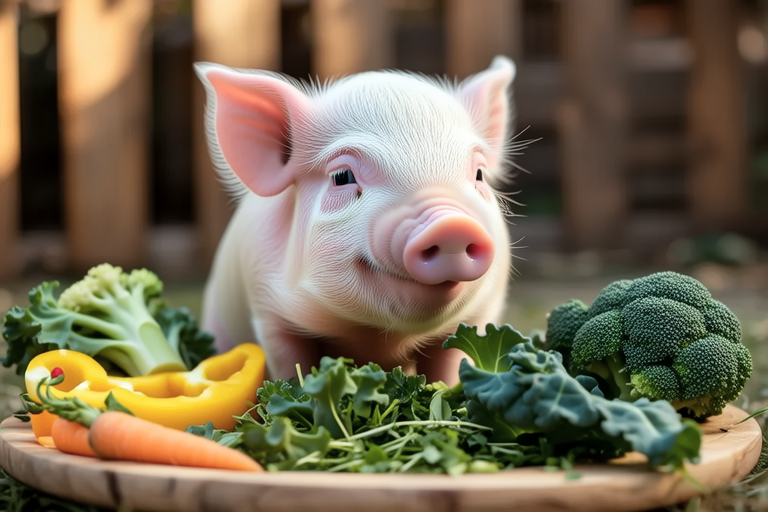
Vegetables are a significant part of a guinea pig’s diet. They should be introduced gradually to avoid digestive upset. Leafy greens such as romaine lettuce, spinach, and kale are excellent choices. Other vegetables like carrots, cucumbers, and zucchini are also beneficial. However, limit the amount of high-sugar vegetables like carrots and corn, as excessive sugar can lead to obesity and dental issues.
Hay
Hay is the backbone of a guinea pig’s diet. Timothy hay is preferred because it is lower in calcium than other types, reducing the risk of bladder stones. Alfalfa hay is higher in calcium and protein, making it more suitable for young, growing guinea pigs or pregnant/nursing females. Once they reach adulthood, switch to Timothy hay to prevent health issues related to excess calcium.
Pellets
Pellets provide essential nutrients not found in sufficient quantities in hay and vegetables alone. Choose pellets specifically formulated for guinea pigs, as these are fortified with vitamins and minerals. Limit the quantity to about one ounce per day, depending on the size of your guinea pig. Overfeeding can lead to obesity and associated health problems.
Unsafe Foods and Dietary Risks
Not all human foods are safe for guinea pigs. Avoid feeding them foods high in sugar, salt, or fat. Citrus fruits and tomatoes should be limited due to their acidity. Iceberg lettuce is unsuitable because it lacks nutritional value and can cause bloat. Chocolate, onions, garlic, and avocado are toxic and should never be given to guinea pigs. Feeding inappropriate foods can lead to digestive issues, obesity, and even poisoning.
Conclusion: Key Points and Veterinary Advice
In summary, a well-balanced diet is fundamental for the health and happiness of your guinea pig. Ensuring they receive adequate vitamin C, fiber, and water is crucial. Offering a variety of fresh vegetables, hay, and pellets will keep them thriving. However, it’s equally important to be cautious about unsafe foods that could harm them. Regular veterinary check-ups are invaluable for monitoring your guinea pig’s health and receiving personalized dietary advice. By being informed and attentive, you can ensure your guinea pig enjoys a long, healthy life.
