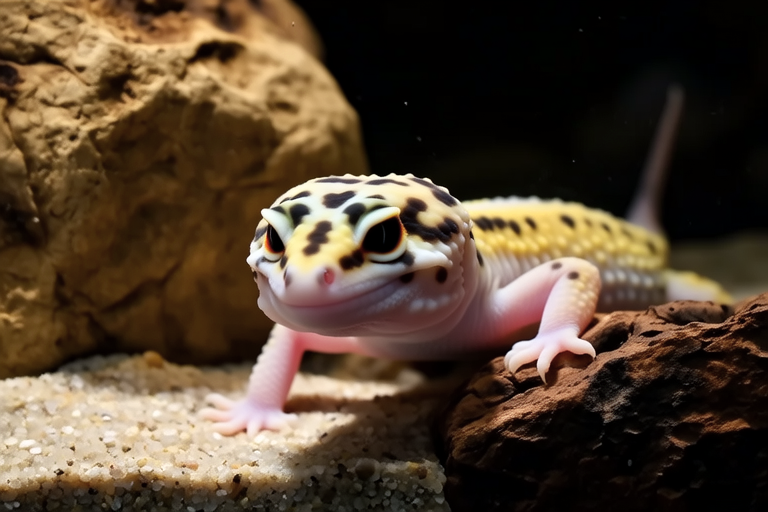
How to Choose the Perfect Leopard Gecko as Your New Pet
Welcome to the wonderful world of leopard geckos! These charming reptiles are becoming increasingly popular among pet enthusiasts due to their docile nature, ease of care, and vibrant colors. If you’re considering adopting a leopard gecko as your next pet, this guide will help you understand the basics, make informed decisions, and set up a thriving environment for your new friend.
Understanding Leopard Geckos’ Basic Needs
Before diving into the selection process, it’s crucial to understand the fundamental requirements of these delightful creatures. Leopard geckos are native to the arid regions of Afghanistan, Pakistan, and parts of India, where they thrive in desert-like conditions. Their natural habitat influences their dietary and environmental preferences, which we’ll explore further.
Diet: In captivity, leopard geckos primarily feed on insects such as crickets, mealworms, and waxworms. It’s important to ensure that these insects are gut-loaded (fed nutritious foods) and dusted with calcium and vitamin D3 supplements to prevent deficiencies.
Temperature and Humidity: Maintaining the correct temperature gradient within the enclosure is vital for their health. The cool side of the tank should be around 78-80°F (25-27°C), while the warm side should reach approximately 90°F (32°C). A humidity level of 30-40% is ideal, which can be achieved by misting the tank occasionally or providing a humid hide.
Housing: Leopard geckos require a spacious enclosure to move around comfortably. A 20-gallon tank is suitable for one adult gecko, but larger enclosures are recommended for multiple geckos. Ensure there’s plenty of hiding spots and climbing areas to mimic their natural environment.
Selecting the Right Age and Size
Choosing the right age and size of your leopard gecko can significantly impact its well-being and your experience as a pet owner. Juvenile geckos, typically under 6 months old, are more active and curious, making them appealing to beginners. However, they also have higher energy levels and may require more attention.
Adult geckos, usually over 12 months old, tend to be calmer and less demanding. They are also easier to handle due to their slower movements and more predictable behavior. If you’re unsure about the age of a gecko, ask the breeder or seller for clarification.
Regarding size, aim for a gecko that is at least 6 inches long, which usually indicates maturity. Smaller geckos might still be growing and could face challenges if they’re too small for their enclosure or diet. Always prioritize the health and comfort of the gecko over its size.
Identifying Healthy Signs in Potential Pets
Selecting a healthy leopard gecko is paramount for ensuring a long and happy life together. Here are some key indicators of good health:
- Eyes: Clear and bright eyes without any discharge or cloudiness.
- Skin: Smooth, unblemished skin free from cuts, bruises, or parasites.
- Belly: Plump and firm, indicating proper hydration and nutrition.
- Behavior: Active and alert, showing interest in food and surroundings.
- Feces: Well-formed and consistent, avoiding any signs of diarrhea or constipation.
Avoid geckos displaying lethargy, loss of appetite, or abnormal physical appearances. If possible, observe the gecko for several minutes before making a decision to ensure it exhibits normal behavior.
Tips for Handling Your Leopard Gecko
Leopard geckos are generally gentle and docile, making them perfect candidates for regular handling. However, like any animal, they need time to adjust to human interaction. Here are some tips to ensure safe and enjoyable handling:
- Approach Gently: Always approach your gecko slowly and calmly to avoid startling it.
- Support Fully: When picking up your gecko, always support its body, especially its belly and tail, to prevent injury.
- Limit Handling: Avoid handling your gecko immediately after feeding, when it’s sleeping, or during shedding periods.
- Respect Boundaries: Some geckos may not enjoy being handled as much as others. Pay attention to your gecko’s signals and respect its comfort level.
With consistent and gentle handling, your leopard gecko will become more comfortable with you over time.
Creating an Optimal Habitat Setup
Setting up a proper habitat is essential for the well-being of your leopard gecko. This section will cover the necessary components and best practices for creating a safe and stimulating environment.
Enclosure
The enclosure should provide ample space for movement and exploration. As mentioned earlier, a 20-gallon tank is suitable for one adult gecko. For multiple geckos, consider a larger enclosure or separate tanks to prevent stress and potential conflicts.
Heating and Lighting
Maintaining the appropriate temperature gradient is crucial. Use a heat lamp or ceramic heat emitter on one side of the enclosure to create a warm spot. A thermometer placed on both sides of the tank will help monitor the temperature. Leopard geckos don’t require UVB lighting, but a low-wattage red bulb can provide night-time visibility.
Hiding Spots and Decorations
Leopard geckos are naturally shy and prefer hiding spots. Provide multiple hides, including a humid hide for shedding, and various decorations such as rocks, branches, and artificial plants. Ensure all items are securely placed to prevent accidents.
Substrate
Choosing the right substrate is vital for preventing impaction and maintaining hygiene. Reptile carpet or paper towels are excellent choices for beginners due to their ease of cleaning and safety. Avoid substrates like sand, gravel, or wood shavings, which can pose choking hazards or lead to digestive issues.
Feeding Area
Designate a specific area for feeding to minimize substrate ingestion and facilitate cleaning. You can use a shallow dish or a designated corner of the tank for this purpose.
The Importance of Research and Preparation
Adopting a leopard gecko is a significant commitment that requires thorough preparation. Before bringing your new pet home, take the time to learn about their care requirements, common health issues, and behavioral patterns. Joining online forums, attending local reptile shows, and consulting experienced breeders are great ways to gather information and connect with other gecko enthusiasts.
Remember, every gecko is unique, and what works for one may not work for another. Be patient and adaptable as you fine-tune your care routine based on your gecko’s individual needs.
By following the guidelines outlined in this article, you’ll be well-equipped to choose the perfect leopard gecko and provide it with a loving and nurturing home. Happy gecko keeping!
