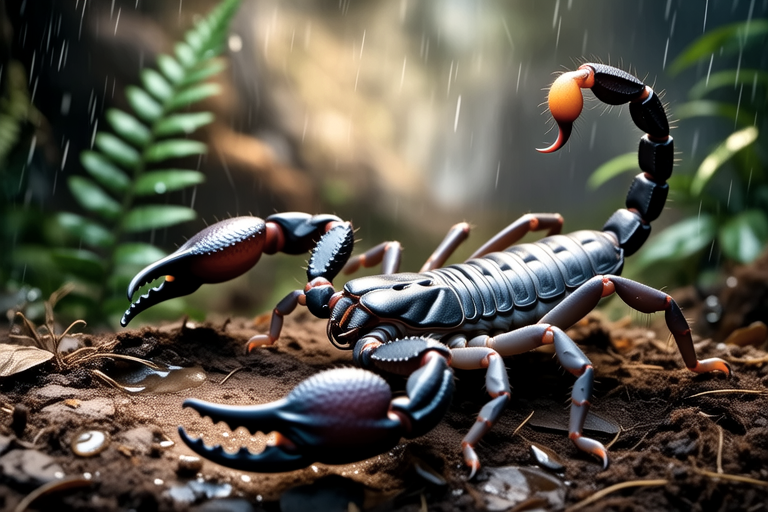
The Mysterious World of Heterometrus Spinifer
The world of arachnids is vast and diverse, filled with creatures that have fascinated and sometimes terrified humans for centuries. Among these, the Heterometrus spinifer stands out as a species that combines the grace of a scorpion with the complexity of its behaviors and ecological role. This article delves into the unique characteristics, habitat, behavior, and lifecycle of this fascinating creature, offering insights that even enthusiasts may find surprising.
A Unique Arachnid
Heterometrus spinifer, commonly known as the Indian forest scorpion, belongs to the family Scorpionidae. It is one of the largest scorpions found in India, with adults reaching lengths of up to 15 centimeters. The name ‘spinifer’ refers to the spines located on its pedipalps, which are used for grasping prey. These spines are a distinctive feature of the species, setting it apart from other scorpions in the region.
One of the lesser-known aspects of H. spinifer is its physical adaptability. Its body is covered in a tough exoskeleton, which provides protection against predators and environmental stressors. However, this exoskeleton is also shed periodically, a process known as molting. During this time, the scorpion is vulnerable, making it essential for them to find safe hiding spots.
Habitat and Ecology
The Heterometrus spinifer is primarily found in the dense forests of India, particularly in areas with high humidity and temperatures. They prefer humid environments where they can burrow into the soil, creating dens that serve as their homes. These dens are not just shelters but also hunting grounds, as they ambush passing insects and small vertebrates.
Interestingly, the H. spinifer has adapted to living in close proximity to human settlements. In rural areas, they often inhabit the cracks and crevices of walls and floors, leading to occasional encounters with humans. Despite this, they are generally reclusive and avoid direct contact with people.
The diet of the H. spinifer consists mainly of insects, though they have been known to consume small lizards and frogs. Their venom, which is used to subdue prey, is potent enough to immobilize most of their targets quickly. However, the toxicity of their venom is not as severe as some other scorpion species, making it less dangerous to humans.
Behavior and Lifecycle
The behavior of the Heterometrus spinifer is characterized by its nocturnal activity. During the day, they remain hidden in their dens, emerging at night to hunt. This behavior is influenced by the need to conserve energy and avoid predators that are active during daylight hours.
The mating ritual of the H. spinifer is an elaborate affair. Males perform a dance-like courtship, using their pedipalps to signal readiness to mate. Once successful, the female lays eggs after a gestation period of several months. The young, known as scorplings, are born live and remain attached to the mother’s back for the first few days of their lives.
One of the lesser-known aspects of their lifecycle is the role of parental care. The mother carries her scorplings until they are ready to fend for themselves. This period of care ensures a higher survival rate among the offspring, contributing to the stability of the species.
Conservation Status and Threats
The conservation status of the Heterometrus spinifer is currently listed as ‘Least Concern’ by the International Union for Conservation of Nature (IUCN). However, this does not mean that the species is entirely safe from threats. Habitat destruction due to deforestation and urbanization poses significant risks to their populations. Additionally, pesticide use in agricultural areas can affect their food sources and directly harm the scorpions.
Efforts to protect the H. spinifer and its habitat are ongoing, with various organizations working to raise awareness about the importance of preserving natural ecosystems. Education programs aimed at reducing human-wildlife conflicts are also crucial in ensuring the long-term survival of the species.
Interactions with the Environment
The Heterometrus spinifer plays a vital role in its ecosystem as both predator and prey. As predators, they help control insect populations, preventing overpopulation and maintaining a balanced ecosystem. Conversely, they are also prey for larger animals such as birds and reptiles, contributing to the food chain.
The venom of the H. spinifer has been studied for potential medical applications. Researchers are exploring the possibility of using components of the venom to develop new drugs for pain management and neurological disorders. This highlights the potential benefits that understanding and conserving such species can bring.
Myths and Misconceptions
Despite being relatively harmless to humans, the Heterometrus spinifer is often misunderstood. One common myth is that all scorpions are highly venomous and dangerous. While it is true that some scorpion species can be deadly, the venom of the H. spinifer is not considered life-threatening to healthy adults. However, children, the elderly, and those with compromised immune systems may experience more severe reactions.
Another misconception is that scorpions always fluoresce under ultraviolet light. While many species do glow under UV light, this is not a universal trait. The fluorescence is believed to be a byproduct of the chemical composition of their exoskeletons, but its exact purpose remains unclear.
Conclusion
The Heterometrus spinifer is a remarkable species with a complex lifecycle and unique adaptations that allow it to thrive in its environment. From its nocturnal habits to its role in the ecosystem, there is much to learn about this fascinating arachnid. By raising awareness and promoting conservation efforts, we can ensure that future generations will continue to marvel at the wonders of the natural world, including the mysterious and captivating Heterometrus spinifer.
