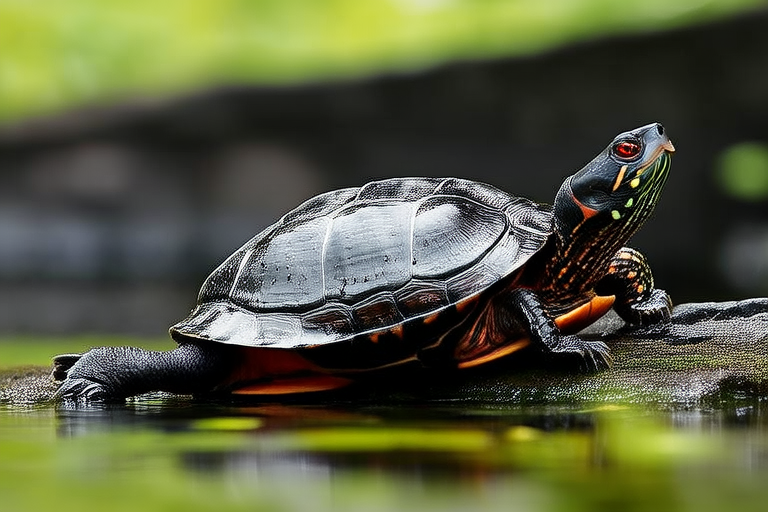
Red-Eared Slider Care Guide: Tips from a Pro Turtle Keeper
Welcome to your comprehensive guide to caring for red-eared sliders! As one of the most popular pet turtles, red-eared sliders require careful attention to ensure they live long, healthy lives. This guide will cover everything from setting up their habitat to maintaining water quality, providing a balanced diet, monitoring their health, and avoiding common mistakes. Let’s dive into the world of red-eared slider care!
Habitat Setup
Creating an appropriate habitat is crucial for the well-being of your red-eared slider. These aquatic turtles need a tank or pond that mimics their natural environment as closely as possible.
Tank Size
A juvenile red-eared slider requires at least 40 gallons of water, while adults need around 125 gallons or more. The general rule is to provide 10 gallons of water per inch of shell length. This ensures they have enough space to swim and bask comfortably.
Water Filtration
To maintain clean water, invest in a high-quality filter. Filters with mechanical, biological, and chemical filtration components are ideal. Regularly check and clean the filter to prevent harmful bacteria and algae buildup.
Basking Area
Your turtle needs a dry area to bask under a UVB light. Use a large flat rock or a specially designed basking dock. Ensure it’s stable and easy for the turtle to climb onto. The basking spot should be heated to around 85-90°F (29-32°C).
UVB Lighting
Red-eared sliders require UVB light to synthesize vitamin D3, which helps them absorb calcium. Install a UVB lamp specifically designed for reptiles over the basking area. Replace the bulb every six months or as recommended by the manufacturer.
Water Quality Maintenance
Keeping the water clean is essential for your turtle’s health. Poor water quality can lead to infections and other health issues.
Water Changes
Perform partial water changes weekly. Replace about 25-30% of the water each time to remove waste and toxins. More frequent changes may be necessary if you notice a decline in water clarity or smell.
Chemical Testing
Use test kits to monitor ammonia, nitrite, and pH levels regularly. Ammonia and nitrite levels should remain close to zero, while the pH should be between 7.0 and 8.5.
Algae Control
Algae can quickly take over the tank, so keep it under control. Regular cleaning, reducing light exposure, and maintaining proper water parameters can help. Consider adding algae-eating snails to assist with this task.
Diet and Nutrition
A balanced diet is vital for your red-eared slider’s growth and overall health. Their nutritional requirements change as they grow.
Juvenile Diet
Young red-eared sliders are primarily carnivorous. Feed them a mix of commercial turtle pellets, insects like crickets and mealworms, and occasional small fish. Offer food daily, but only what they can consume within 15 minutes.
Adult Diet
Adults become more herbivorous, requiring a diet rich in vegetables and leafy greens. Offer commercial pellets, dark leafy greens such as romaine lettuce and kale, and occasional fruits like strawberries and blueberries. Feed them every two to three days.
Vitamin Supplements
Provide a calcium supplement twice a week to ensure strong bones and shells. Dust their food lightly with calcium powder before feeding.
Health Monitoring
Regular health checks are essential to catch any potential issues early. Here’s how to monitor your turtle’s health:
Shell Condition
The shell should be smooth, hard, and free of cracks or soft spots. Any irregularities could indicate a problem, such as metabolic bone disease or shell rot.
Eyes and Nose
Clear eyes and a clean nose are signs of good health. Discharge or swelling around the eyes or nose might suggest infection or respiratory issues.
Activity Levels
Watch for unusual behavior, such as lethargy, loss of appetite, or difficulty swimming. These symptoms could point to illness or stress.
Common Mistakes to Avoid
Misunderstandings about red-eared slider care are common among new owners. Here are some pitfalls to avoid:
Overfeeding
Feeding your turtle too much can lead to obesity and digestive problems. Stick to the recommended portions and feeding schedule.
Inadequate Heating
Failing to provide adequate heat can cause respiratory infections and other health issues. Ensure both the water and basking areas are correctly heated.
Poor Water Quality
Neglecting water quality maintenance can result in infections and stress. Always perform regular water changes and use a suitable filtration system.
Long-Term Commitment
Raising a red-eared slider is a significant long-term commitment. They can live for 20-30 years or even longer. Be prepared for the financial and emotional investment involved in ensuring their well-being throughout their life.
Remember, these turtles require patience, dedication, and continuous learning. By following the guidelines outlined in this care guide, you’ll be well on your way to providing a happy and healthy home for your red-eared slider.
Conclusion
Caring for a red-eared slider is both rewarding and challenging. With the right setup, diet, and care, you can enjoy many years of companionship with your aquatic friend. Always stay informed about the latest care techniques and consult with veterinarians specializing in reptiles when needed. Happy turtle keeping!
