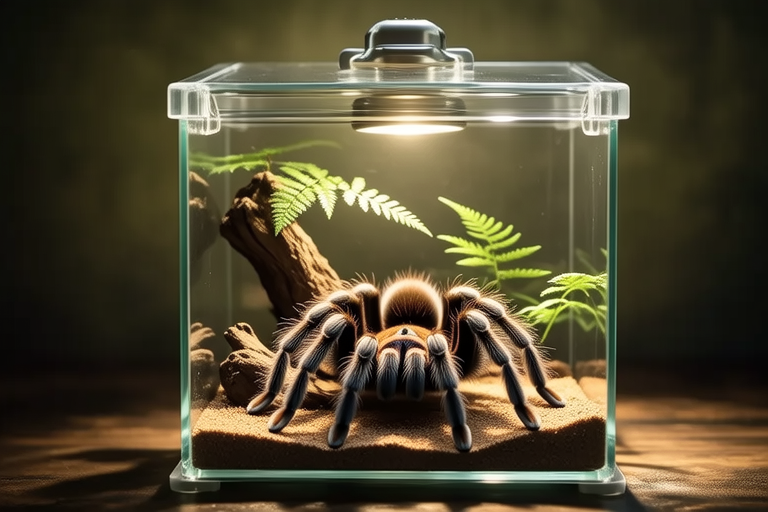
How to Set Up the Perfect Habitat for Your New Tarantula
Welcome to the fascinating world of tarantulas! These captivating creatures have long been a favorite among exotic pet enthusiasts. However, providing the best care for your tarantula involves more than just a basic setup. This comprehensive guide will walk you through the steps to create the perfect habitat for your new tarantula, ensuring it thrives in its new home.
Selecting an Appropriate Enclosure Size Based on Tarantula Species
The first step in setting up your tarantula’s habitat is choosing the right enclosure. The size of the enclosure depends on the species of tarantula you have chosen. Smaller species like the Chilean rose (Grammostola rosea) require enclosures that are at least 3-4 inches deep, 6 inches wide, and 8-10 inches tall. Larger species such as the Mexican redknee (Brachypelma smithi) need enclosures that are at least 6 inches deep, 12 inches wide, and 16 inches tall. Always ensure the enclosure provides enough space for your tarantula to move around comfortably.
Substrate Options and Layering Techniques
Choosing the right substrate is crucial for your tarantula’s health and well-being. Common substrate options include coconut fiber, peat moss, and orchid bark. These substrates retain moisture well and provide a natural environment for your tarantula. A recommended layering technique involves placing a base layer of substrate followed by a top layer of sphagnum moss. This helps maintain humidity levels and creates a more aesthetically pleasing environment.
Temperature and Humidity Requirements Specific to Different Tarantula Types
Different tarantula species have varying temperature and humidity requirements. For example, terrestrial tarantulas like the Chilean rose thrive in temperatures between 75°F and 85°F with humidity levels ranging from 50% to 70%. Arboreal tarantulas, such as the pink toe (Avicularia avicularia), prefer higher humidity levels of 70% to 90% and temperatures between 78°F and 85°F. It’s important to research the specific needs of your tarantula species and adjust the enclosure accordingly.
Ventilation Needs
Adequate ventilation is essential for maintaining proper air circulation within the enclosure. Poor ventilation can lead to stagnant air, which may cause respiratory issues for your tarantula. To ensure good airflow, use screen tops or mesh lids for your enclosure. Avoid using solid lids that don’t allow air to circulate. Proper ventilation helps regulate temperature and humidity levels, creating a healthier environment for your tarantula.
Hiding Spots and Decor Elements for Environmental Enrichment
Tarantulas are naturally shy and require hiding spots to feel secure. Provide a variety of hiding spots such as cork bark, half logs, or artificial caves. These items not only offer shelter but also add visual interest to the enclosure. Additionally, consider adding live plants or silk plants to enhance the aesthetic appeal of the habitat while providing additional hiding spots. Ensure all decorations are securely placed and won’t tip over, preventing potential injuries to your tarantula.
Feeding and Water Placement Considerations
Feeding your tarantula is straightforward but requires attention to detail. Place food items, such as crickets or mealworms, directly into the enclosure. Remove uneaten prey after 24 hours to prevent contamination. Water should be provided in a shallow dish that is easy for the tarantula to access. The dish should be small enough to prevent drowning and large enough to hold a few drops of water. Ensure the water remains fresh and clean, changing it regularly.
Regular Maintenance and Cleaning Schedules
Maintaining a clean and hygienic environment is vital for your tarantula’s health. Regularly check the enclosure for any signs of mold, mildew, or fecal matter. Clean the enclosure every two weeks, removing old substrate and replacing it with fresh material. Disinfect the enclosure using a reptile-safe cleaner and rinse thoroughly before returning the tarantula and decorations. Pay special attention to areas where the tarantula spends most of its time to prevent the buildup of harmful bacteria.
Safety Precautions to Avoid Stressing the Tarantula or Causing Injury
Handling your tarantula should be done with extreme caution. Tarantulas can be sensitive to sudden movements and loud noises, which may cause stress or defensive behavior. When handling, gently scoop your tarantula from the enclosure using both hands, supporting its body. Avoid pinching or squeezing the tarantula, as this can cause injury. Always supervise children when they handle their tarantulas to ensure safe interactions.
Common Mistakes to Avoid When Setting Up the Habitat
There are several common mistakes to avoid when setting up your tarantula’s habitat. One of the most frequent errors is overcrowding the enclosure with too many decorations, leaving insufficient space for your tarantula to move freely. Another mistake is failing to properly research the specific needs of your tarantula species, leading to incorrect temperature and humidity settings. Lastly, neglecting regular maintenance and cleaning can result in unhealthy living conditions for your tarantula.
By following these guidelines, you’ll be well on your way to creating a perfect habitat for your tarantula. Remember, each tarantula species has unique requirements, so always tailor your setup to meet the specific needs of your pet. With patience and care, you can provide a thriving home for your new tarantula friend.
