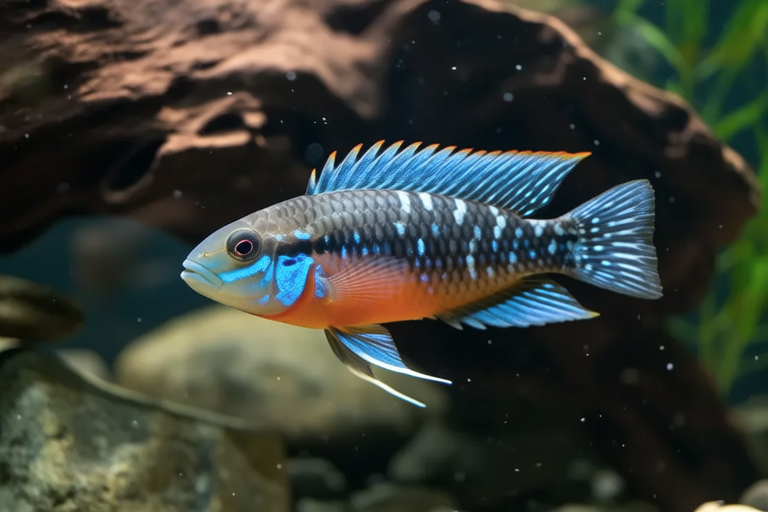
Everything You Need to Know Before Welcoming a Rajah Cichlid Home
The Rajah cichlid, scientifically known as Vicarius zenkeri, is a captivating freshwater fish that originates from Lake Tanganyika in Africa. With its striking appearance and vibrant colors, this species has become increasingly popular among aquarists. However, owning a Rajah cichlid requires specific knowledge and care to ensure their well-being. This article provides a comprehensive guide for potential owners, covering the ideal tank setup, water conditions, dietary needs, behavioral traits, compatibility with other fish, breeding habits, and common health issues.
Understanding Rajah Cichlids
Rajah cichlids are medium-sized fish, growing up to 8 inches in length. They possess an elongated body shape, adorned with electric blue spots on a golden-brown background. These fish are highly territorial and exhibit aggressive behavior, especially towards conspecifics. Therefore, it’s crucial to provide them with ample space and hiding spots within the aquarium.
Setting Up the Ideal Tank
Creating a suitable habitat for your Rajah cichlids is paramount for their health and happiness. The recommended tank size for a single Rajah cichlid is at least 55 gallons, but larger tanks are preferred due to their territorial nature. For a community tank with multiple Rajah cichlids or other compatible species, a minimum of 75 gallons per fish is advised.
Aquascaping plays a significant role in replicating their natural environment. Use sandy substrate, driftwood, and rocks to create caves and crevices for shelter. Incorporate live plants like Java ferns and Anubias, which can withstand the aggressive behavior of cichlids. Ensure the decor is stable and securely placed to prevent any injuries during territorial disputes.
Maintaining Optimal Water Conditions
Rajah cichlids thrive in alkaline waters with a pH range between 7.8 and 9.0. The hardness should be between 10-20 dGH. Regular water changes are essential; aim for 20% weekly to maintain water quality. Utilize a high-quality filter to keep the water clean and oxygenated. Equip the tank with a heater set to 78-82°F (26-28°C) to mimic their native tropical habitat.
Dietary Needs
Rajah cichlids are omnivorous, requiring a balanced diet of plant matter and protein. Offer high-quality pellets designed for cichlids, supplemented with frozen or live foods such as bloodworms, brine shrimp, and daphnia. Vegetables like blanched spinach and zucchini can also be included in their diet. Feed them small portions twice daily, ensuring they consume all food within minutes to avoid waste.
Behavioral Traits
These fish are known for their territorial and aggressive behavior. Males may engage in fin-nipping and display dominant postures. It’s important to establish a hierarchy early on by introducing new fish gradually and providing plenty of hiding spots. Rajah cichlids are generally peaceful towards larger fish but may harass smaller, less aggressive species.
Compatibility with Other Fish
Selecting tank mates for Rajah cichlids requires careful consideration. Suitable companions include robust African cichlids like the Frontosa and Tropheus. Avoid keeping them with slow-moving or timid fish, as they might become stressed or injured. Always introduce new fish slowly and monitor their interactions closely.
Breeding Habits
Rajah cichlids are monogamous breeders, forming pairs during the breeding season. To encourage spawning, increase the water temperature slightly and provide ample hiding spots. The female will lay eggs on a flat surface, and both parents will guard the eggs and fry. After hatching, the fry can be fed infusoria or newly hatched brine shrimp until they are large enough to eat regular fish food.
Common Health Issues
Like all aquatic creatures, Rajah cichlids are susceptible to various health problems. Common issues include ich, fin rot, and swim bladder disorders. Regular monitoring and prompt treatment are necessary to address these issues effectively. Quarantine new additions to the tank for several weeks to prevent the introduction of diseases.
Tips for Maintaining a Healthy Environment
- Monitor Water Parameters: Regularly test the water for pH, ammonia, nitrite, and nitrate levels to ensure optimal conditions.
- Provide Hiding Spots: Offer numerous caves and crevices to reduce stress and promote natural behaviors.
- Introduce New Fish Gradually: Allow new fish to acclimate slowly to minimize aggression and stress.
- Feed Appropriately: Offer varied and nutritious meals while avoiding overfeeding.
- Keep the Tank Clean: Perform regular water changes and maintain proper filtration to prevent disease outbreaks.
Conclusion
Welcomeing a Rajah cichlid into your home requires dedication and attention to detail. By understanding their unique needs and providing a suitable environment, you can ensure the well-being and longevity of these magnificent fish. With proper care, Rajah cichlids can thrive and bring joy to your aquarium for years to come.
