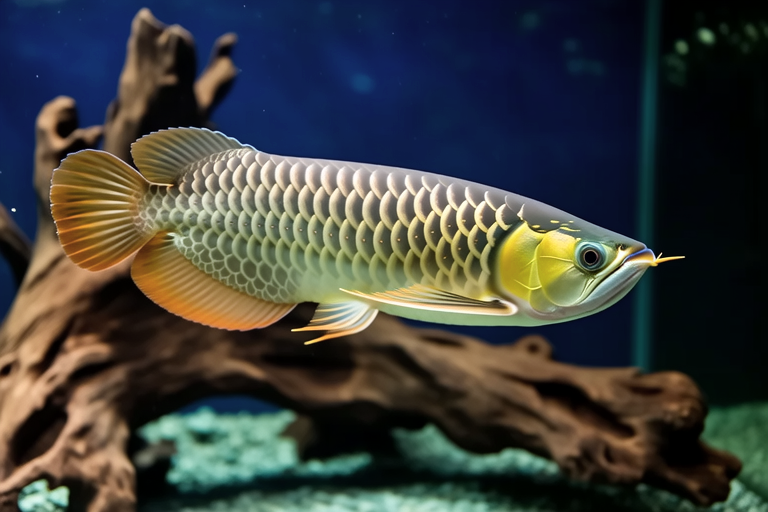
Arowana Care 101: Tips for Keeping This Exotic Pet Happy and Healthy
Welcome to Arowana Care 101! This comprehensive guide will provide you with all the essential information you need to keep your arowana happy and healthy. From setting up the perfect tank environment to understanding their dietary needs and common health issues, we’ve got you covered.
Setting Up the Perfect Tank Environment
Creating the right habitat is crucial for the well-being of your arowana. These fish require a spacious tank that mimics their natural environment. A minimum tank size of 300 gallons is recommended for a single adult arowana, but larger tanks are preferred for their comfort and exercise. The tank should be long rather than tall to allow ample swimming space.
Water quality is paramount for arowanas. They thrive in soft, slightly acidic water with a pH range of 6.5 to 7.5. Water hardness should be between 4 and 8 dGH. Regular partial water changes (20-30% weekly) are necessary to maintain optimal water conditions. Use a high-quality filtration system capable of handling large volumes of water efficiently. Additionally, incorporate gentle water movement to simulate natural river currents without overwhelming the fish.
Substrate choice is important as well. Fine sand or smooth gravel is ideal, ensuring no sharp edges that could injure your fish. Decorations like driftwood, rocks, and plants can create hiding spots and enhance the aesthetic appeal of the tank. However, avoid overcrowding the tank with too many decorations, as it may limit swimming space.
Water Parameters Crucial for Arowanas
Monitoring and maintaining proper water parameters is vital for the health of your arowana. Key factors include:
- pH Level: Maintain a stable pH between 6.5 and 7.5. Fluctuations can stress the fish, leading to health problems.
- Water Hardness: Keep hardness levels between 4 and 8 dGH. Too much hardness can cause mineral deposits, while too little may lead to osmotic imbalance.
- Temperature: Optimal temperature ranges from 78°F to 82°F (25°C to 28°C). Consistency is key; sudden temperature changes can shock the fish.
- Ammonia and Nitrite Levels: Both should be undetectable. High levels indicate poor filtration or overstocking, which can be harmful.
- Nitrate Levels: Aim for nitrate levels below 20 ppm. Higher concentrations can stress the fish and promote algae growth.
Regular testing using reliable test kits is recommended to ensure these parameters remain within acceptable ranges. Address any deviations promptly by performing water changes or adjusting filtration settings.
Dietary Needs
Arowanas are carnivorous and require a balanced diet rich in protein. Their staple foods include live or frozen feeder fish such as guppies, mollies, and minnows. Supplement their diet with high-quality pellets designed for large predatory fish. Ensure the pellets are sinking varieties to prevent floating debris that might disturb the water surface.
Variety is important for their nutritional balance. Occasionally offer treats like earthworms, bloodworms, or krill. However, limit the frequency of these treats to avoid digestive issues. Feeding once or twice daily is sufficient, providing enough food that they can consume within five minutes. Overfeeding can lead to water pollution and obesity.
It’s also crucial to consider the size of the prey relative to the arowana’s mouth. Offering appropriately sized food prevents choking hazards and ensures efficient digestion.
Handling and Feeding Tips
Handling arowanas requires care and caution due to their size and strength. Always use a net designed for large fish to minimize stress. Gently guide them into the net by creating a barrier at one end of the tank. Avoid grabbing or lifting them directly, as this can cause injury.
When feeding, place food near the top of the tank where the arowana can easily see and catch it. This mimics their natural hunting behavior and stimulates their appetite. Be patient and consistent with feeding times to establish a routine. Observe their eating habits closely; sudden changes in appetite may indicate underlying health issues.
Common Health Issues
Despite proper care, arowanas may still face certain health challenges. Familiarize yourself with common ailments to address them promptly:
- Fungal Infections: Characterized by white patches on the body or fins. Maintaining clean water and avoiding injuries can prevent fungal growth.
- Bacterial Infections: Symptoms include redness, ulcers, or lethargy. Antibiotics prescribed by a veterinarian can treat bacterial infections effectively.
- Ich (White Spot Disease): Small white spots appear on the body. Increased water temperature and salt baths can help eliminate ich.
- Swim Bladder Problems: Difficulty swimming upright or floating upside down. Adjusting diet and water parameters can alleviate swim bladder issues.
If you notice any unusual symptoms, consult a professional aquarist or veterinarian specializing in exotic fish. Early intervention is crucial for successful treatment.
Signs of a Healthy Arowana
A healthy arowana exhibits specific behaviors and physical characteristics. Look for the following signs:
- Active Swimming: Healthy arowanas are active swimmers, exploring their environment and interacting with tankmates.
- Shiny Scales: Vibrant, shiny scales indicate good overall health.
- Clear Eyes: Clear, bright eyes without cloudiness suggest optimal health.
- Healthy Appetite: Regularly consuming offered food demonstrates a strong appetite.
- No Visible Injuries: Absence of cuts, scrapes, or abnormal growths on the body.
By monitoring these indicators, you can quickly identify potential health concerns and take appropriate action.
In conclusion, caring for an arowana demands dedication and attention to detail. By providing an appropriate tank environment, maintaining optimal water parameters, offering a balanced diet, and being vigilant about their health, you can ensure your arowana leads a long, healthy life. Enjoy the rewarding experience of keeping this magnificent fish as your pet.
