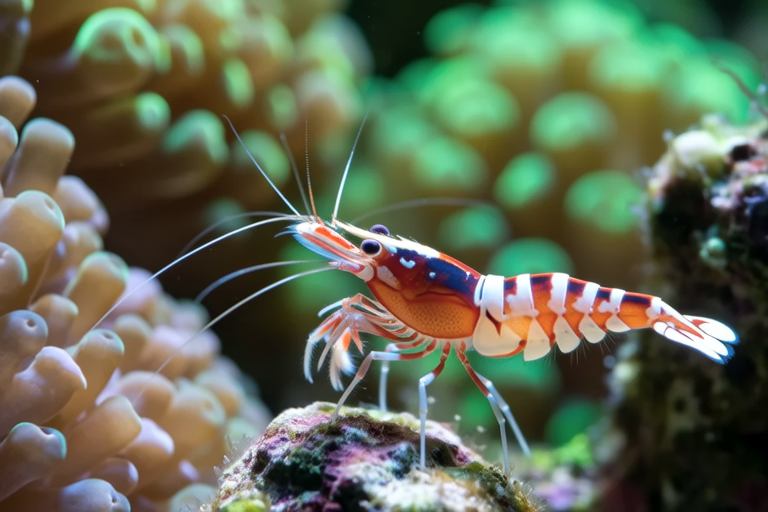
How Coral Shrimp Are Transforming Your Aquarium Ecosystem
In the realm of aquarium maintenance, few creatures offer as much ecological benefit as coral shrimp. These tiny crustaceans play a crucial role in maintaining the health and beauty of your aquarium ecosystem. From algae control to water quality improvement, and enhancing biodiversity, coral shrimp are indispensable for any marine or reef tank. This article delves into the various ways these small yet mighty creatures contribute to the well-being of your aquatic environment.
The Role of Coral Shrimp in Algae Control
Coral shrimp are voracious consumers of algae, which makes them invaluable in combating algal overgrowth. Their diet primarily consists of detritus and algae, including filamentous green algae, diatoms, and cyanobacteria. By feeding on these algae, coral shrimp help prevent the formation of unsightly and potentially harmful algal blooms. Over time, this can significantly enhance the visual appeal of your aquarium, ensuring that its inhabitants have a clean and attractive habitat.
Algal overgrowth can also pose serious threats to the overall health of your aquarium. Excessive algae can deplete oxygen levels, leading to stress among fish and other organisms. Additionally, certain types of algae can produce toxins that are harmful to marine life. Coral shrimp mitigate these risks by keeping algal populations in check, thus promoting a healthier and more stable aquatic environment.
Improving Water Quality
Water quality is a critical factor in maintaining the health of any aquarium ecosystem. Coral shrimp play a pivotal role in improving water quality through their natural behaviors and dietary habits. As they scavenge for food, they consume organic waste particles, helping to reduce the buildup of detritus on the substrate and decorations. This process not only keeps the tank cleaner but also reduces the potential for harmful bacteria to thrive.
Moreover, coral shrimp contribute to the nitrogen cycle by breaking down organic matter. They effectively convert excess nutrients into less harmful forms, thereby preventing the accumulation of nitrate and phosphate, which can lead to algal blooms and other water quality issues. Their constant activity helps maintain a balanced ecosystem, ensuring that your aquarium remains vibrant and healthy.
Enhancing Biodiversity
Biodiversity is essential for the resilience and stability of any ecosystem. Coral shrimp play a significant role in enhancing biodiversity within your aquarium. By consuming algae and other organic matter, they provide a source of nutrition for other species, particularly filter-feeding organisms such as corals and sponges. This mutualistic relationship promotes the growth and health of these sessile invertebrates, contributing to a more diverse and robust aquarium community.
Furthermore, coral shrimp themselves serve as prey for larger fish, which helps to establish a balanced predator-prey dynamic. This diversity of interactions fosters a more stable and resilient ecosystem, capable of adapting to changes and challenges. The presence of coral shrimp encourages the development of a thriving, interconnected web of life within your aquarium.
Suitable Tank Conditions
To ensure the health and well-being of coral shrimp, it’s important to provide them with optimal tank conditions. Coral shrimp thrive in saltwater environments with a specific gravity ranging from 1.023 to 1.025. The temperature should be maintained between 75°F and 82°F (24°C to 28°C), with a pH level of 8.1 to 8.4. Adequate water flow is crucial, as it simulates their natural habitat and promotes healthy circulation.
Substrate selection is also vital for coral shrimp. A fine-grained sand or crushed coral provides a suitable environment for them to burrow and search for food. It’s advisable to avoid substrates that can compact easily, as this may hinder their movement and access to food sources. Additionally, the presence of live rock and other structures offers hiding spots and enhances the overall aesthetic appeal of the tank.
Diet and Feeding Habits
Coral shrimp are omnivorous scavengers, feeding on a variety of organic matter found within the aquarium. Their diet primarily consists of algae, detritus, and small particles of uneaten fish food. While they can survive on the available food sources within the tank, supplemental feedings can help ensure their optimal health and vitality. Suitable foods include high-quality flake or pellet foods designed for marine invertebrates, as well as frozen or freeze-dried brine shrimp, mysis shrimp, and algae wafers.
It’s important to note that overfeeding can lead to water quality issues, so moderation is key. Providing occasional treats in the form of blanched vegetables like zucchini or spinach can also enrich their diet. Regularly monitoring their feeding behavior will help you gauge their nutritional needs and adjust accordingly.
Compatibility with Other Species
Coral shrimp are generally peaceful and compatible with a wide range of aquarium species. However, it’s essential to consider the specific characteristics of your tankmates when introducing coral shrimp. Larger, aggressive fish species may view them as prey, posing a threat to their survival. Conversely, smaller, more docile fish can coexist harmoniously with coral shrimp, benefiting from their algae-control efforts.
Other invertebrates, such as hermit crabs, snails, and starfish, are typically safe companions for coral shrimp. They share similar dietary preferences and can complement each other’s roles in maintaining the tank’s cleanliness. However, caution should be exercised when introducing predatory or highly territorial species, as they may disrupt the balance of the ecosystem.
Aesthetic Contributions
Beyond their ecological benefits, coral shrimp add a touch of elegance and charm to any aquarium. Their translucent bodies, adorned with vibrant colors, create a mesmerizing spectacle as they move gracefully through the water. The constant activity of coral shrimp adds a dynamic element to the tank, drawing attention and admiration from observers.
Moreover, their interaction with the tank’s decor and inhabitants contributes to a visually appealing and harmonious environment. Watching them scavenge and explore the nooks and crannies of live rock and coral formations can be both captivating and soothing. The presence of coral shrimp enhances the overall aesthetic value of your aquarium, transforming it into a true centerpiece of beauty and wonder.
Conclusion
Coral shrimp are undeniably transformative creatures in the world of aquariums. Their ability to control algae, improve water quality, and enhance biodiversity makes them indispensable for any marine or reef tank. By providing optimal tank conditions, a balanced diet, and compatible tankmates, you can ensure the health and happiness of these remarkable crustaceans. Embrace the ecological and aesthetic benefits that coral shrimp bring to your aquarium, and watch as they transform your aquatic ecosystem into a thriving and vibrant paradise.
