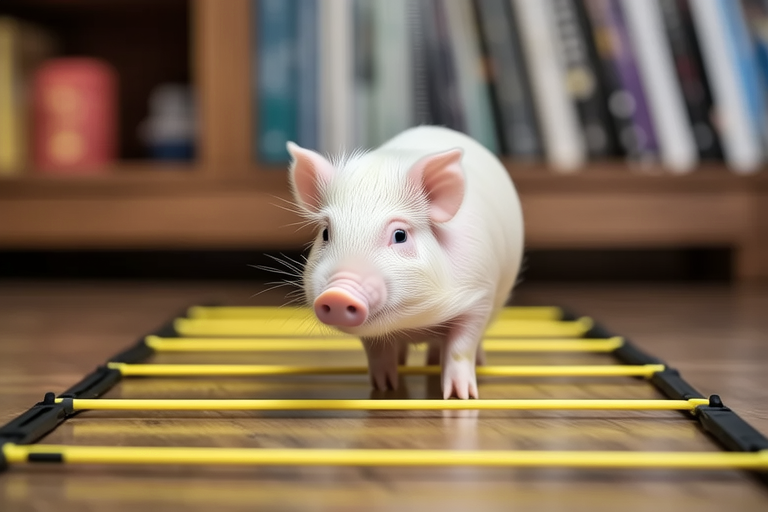
Secrets to Training Your Guinea Pig Like a Pro
Welcome to the wonderful world of guinea pigs! These charming little creatures are not only delightful companions but also trainable pets that can perform tricks and respond to commands. Training your guinea pig is not just about teaching them tricks; it’s about building a strong bond and mutual understanding between you and your furry friend. This guide will walk you through the secrets to training your guinea pig like a pro, from understanding their behavior to setting up a conducive training environment and maintaining patience and consistency.
Understanding Guinea Pig Behavior
To train your guinea pig effectively, it’s crucial to understand their natural behaviors and instincts. Guinea pigs are social animals that thrive in groups, and they communicate through vocalizations, body language, and scent marking. They are prey animals, which means they have a heightened sense of awareness and can be easily startled. Understanding these behaviors will help you create a safe and comfortable environment for your guinea pig during training sessions.
- Vocalizations: Guinea pigs make various sounds to express themselves. For example, a high-pitched squeal may indicate excitement or distress, while a low rumble could mean contentment.
- Body Language: Pay attention to your guinea pig’s posture and movements. A relaxed guinea pig with ears perked up is usually calm and happy, while flattened ears might suggest fear or anxiety.
- Scent Marking: Guinea pigs use scent glands to mark their territory. Be mindful of this behavior, especially when introducing new objects or animals into their environment.
By observing and responding to your guinea pig’s behavior, you can better anticipate their needs and reactions during training. This understanding forms the foundation for a successful training relationship.
Basic Training Techniques Using Positive Reinforcement
Positive reinforcement is a proven method for training animals, including guinea pigs. It involves rewarding desired behaviors with treats, praise, or other incentives to encourage repetition. Here are some key steps to implementing positive reinforcement in your guinea pig’s training:
- Choose the Right Treats: Guinea pigs enjoy a variety of healthy treats such as fresh vegetables (carrots, cucumbers) and fruits (blueberries, apples). Ensure the treats are small enough to avoid overfeeding and causing digestive issues.
- Start Simple: Begin by teaching your guinea pig basic commands like ‘come’ or ‘sit.’ Use a consistent verbal cue and reward them immediately after they follow the command correctly. For example, say ‘sit’ and gently place your hand under their bottom to help them sit. Once they do, give them a treat and praise them enthusiastically.
- Be Patient: Guinea pigs, like all animals, learn at their own pace. Some may catch on quickly, while others may take more time. Avoid forcing or punishing your guinea pig if they don’t respond immediately. Instead, try again later or break the task into smaller steps.
- Use Consistent Commands: Consistency is key in training. Use the same words and gestures each time you give a command to avoid confusing your guinea pig. Over time, they will associate the command with the desired action.
Positive reinforcement not only helps your guinea pig learn new behaviors but also strengthens the bond between you and your pet. By rewarding good behavior, you create a positive association with training sessions, making them enjoyable for both you and your guinea pig.
Setting Up a Conducive Training Environment
The environment in which you train your guinea pig plays a significant role in their learning experience. Creating a safe, comfortable, and distraction-free space will help your guinea pig focus on the task at hand. Here are some tips for setting up an ideal training environment:
- Quiet Space: Choose a quiet area away from loud noises or distractions. Guinea pigs are sensitive to sudden sounds, so a calm environment will help them stay focused during training.
- Comfortable Surface: Place a soft, non-slip surface like a towel or blanket on the floor where you’ll be training. This provides comfort for your guinea pig and prevents them from slipping or getting injured.
- Safe Enclosure: If you’re training indoors, use a playpen or exercise pen to create a confined space. This ensures your guinea pig doesn’t wander off or get lost during training sessions.
- Visual Cues: Use visual cues like toys or treats to direct your guinea pig’s attention. For example, hold a treat above their head to encourage them to stand up or stretch.
By setting up a conducive training environment, you provide your guinea pig with the best conditions for learning and success. This setup also helps minimize stress and anxiety, making training sessions more enjoyable for both you and your pet.
Common Commands to Teach
Once you’ve established a positive training routine, you can start teaching your guinea pig some fun and useful commands. Here are some common commands you can work on:
- Come: To teach your guinea pig to come when called, start by saying ‘come’ and offering a treat. Encourage them to move towards you by gently guiding them with your hand. Repeat this process several times until they associate the word ‘come’ with moving towards you for a treat.
- Sit: As mentioned earlier, you can teach your guinea pig to sit by gently placing your hand under their bottom and saying ‘sit.’ Reward them with a treat once they’re in position. Gradually reduce the physical guidance as they learn to sit on command.
- Stay: To teach your guinea pig to stay, start by having them sit or stand still. Say ‘stay’ and step back a few inches. If they remain in place, reward them with a treat. Gradually increase the distance and duration of the ‘stay’ command as they become more confident.
- Roll Over: Teaching your guinea pig to roll over can be a fun trick. Start by gently rolling them onto their side and saying ‘roll over.’ Reward them with a treat once they’re in the rolled-over position. With practice, they will learn to associate the command with the action.
Remember, each guinea pig is unique, and some may pick up new commands faster than others. Be patient and persistent, and most importantly, keep training sessions short and fun to maintain your guinea pig’s interest and enthusiasm.
Maintaining Patience and Consistency Throughout the Training Process
Training your guinea pig requires patience, consistency, and dedication. It’s important to approach the process with a positive mindset and realistic expectations. Here are some tips to help you maintain patience and consistency:
- Short Sessions: Keep training sessions short, around 10-15 minutes, to prevent your guinea pig from becoming overwhelmed or bored. Short, frequent sessions are more effective than long, infrequent ones.
- Consistent Timing: Train at the same time every day to establish a routine. Guinea pigs are creatures of habit, and a consistent schedule will help them understand when it’s time for training.
- Positive Attitude: Stay calm and upbeat during training sessions. Your guinea pig can sense your emotions, and a positive attitude will make the experience more enjoyable for both of you.
- Take Breaks: If your guinea pig seems tired or uninterested, take a break and try again later. Pushing them too hard can lead to frustration and setbacks.
Maintaining patience and consistency is key to achieving successful training outcomes. By staying committed to the process and adapting to your guinea pig’s individual needs, you’ll build a strong bond and mutual understanding with your pet.
Bonding and Trust: The Foundation of Successful Training
Bonding and trust are the cornerstones of a successful training relationship with your guinea pig. Building a strong bond takes time and effort, but the rewards are well worth it. Here are some ways to foster bonding and trust:
- Spending Quality Time: Spend time with your guinea pig outside of training sessions. Play with them, groom them, and interact with them regularly to strengthen your bond.
- Respect Their Boundaries: Every guinea pig has different comfort levels and boundaries. Respect their personal space and allow them to approach you at their own pace. Never force interactions or handling.
- Use Gentle Handling: When handling your guinea pig, always support their body and avoid lifting them by their legs or ears. Use gentle, reassuring strokes to make them feel secure.
- Provide Enrichment: Enrichment activities, such as providing tunnels, toys, and hiding spots, stimulate your guinea pig’s mind and promote healthy behavior. A mentally stimulated guinea pig is more likely to be engaged and responsive during training.
By focusing on bonding and trust, you create a foundation of mutual respect and understanding. This trust will make your guinea pig more receptive to training and willing to learn new commands and tricks.
Real-Life Examples and Practical Advice
Let’s look at some real-life examples and practical advice to illustrate the training process:
Example 1: Teaching ‘Come’
Emily, a first-time guinea pig owner, wanted to teach her guinea pig, Peanut, to come when called. She started by saying ‘come’ and holding a piece of cucumber just out of Peanut’s reach. At first, Peanut was hesitant, but with gentle encouragement and repeated attempts, Peanut began to associate the word ‘come’ with the treat. Emily made sure to keep the training sessions short and fun, and within a week, Peanut responded to the command consistently.
Example 2: Teaching ‘Sit’
Jake, an experienced guinea pig owner, wanted to teach his guinea pig, Oliver, to sit. He began by gently placing his hand under Oliver’s bottom and saying ‘sit.’ Initially, Oliver was unsure, but Jake remained patient and offered treats and praise. Over time, Oliver learned to sit on command, and Jake gradually reduced the physical guidance. Today, Oliver sits beautifully whenever Jake asks.
Practical Advice
- Keep Training Sessions Fun: Incorporate games and playful activities into your training sessions to keep things interesting for your guinea pig.
- Use a Clicker: Some trainers use clickers to mark desired behaviors before giving a treat. This technique can be particularly useful for precise timing and reinforcement.
- Practice in Different Environments: Once your guinea pig has mastered a command in one location, practice in different environments to ensure they generalize the behavior.
By applying these real-life examples and practical advice, you can tailor your training approach to suit your guinea pig’s individual personality and needs.
Conclusion
Training your guinea pig is a rewarding and enriching experience that strengthens the bond between you and your pet. By understanding their behavior, using positive reinforcement, setting up a conducive training environment, teaching common commands, and maintaining patience and consistency, you can successfully train your guinea pig like a pro. Remember, the key to successful training is building trust and mutual respect. With time, dedication, and a positive attitude, you’ll be amazed at what your guinea pig can learn and accomplish.
