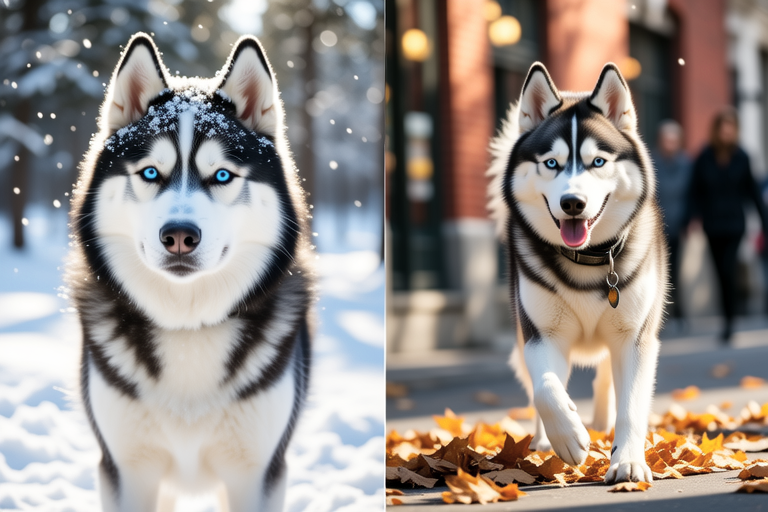
From Snowy Wonders to City Pups: How Siberian Huskies Adapt
Siberian Huskies, with their striking blue eyes and thick coats, have captured the hearts of many. Their history is deeply rooted in the harsh Arctic conditions of Siberia, where they were bred by the Chukchi people as working dogs. These dogs were not just companions but essential tools for survival, pulling sleds across vast snowy landscapes. The journey of these resilient canines from their icy origins to bustling city environments is nothing short of remarkable.
The Origins and Survival in the Arctic
The Chukchi people, indigenous to northeastern Siberia, relied heavily on the Siberian Husky. They used these dogs for transportation, ensuring that food, supplies, and mail could travel efficiently even in the most challenging winter conditions. The Huskies were selected for their endurance, speed, and ability to thrive in freezing temperatures. This selective breeding led to the development of distinct physical traits and instincts that are still evident today.
One of the most notable physical adaptations is their double coat. The outer layer consists of straight guard hairs, while the inner layer comprises soft, dense underfur. This dual-layered coat provides exceptional insulation against the biting cold. Additionally, their ears are small and triangular, reducing heat loss. Their feet are webbed, offering better traction on snow and ice, and their muzzles are shorter, minimizing frostbite risk.
Beyond their physical attributes, Siberian Huskies possess a unique set of instincts. They are pack-oriented animals, with a strong sense of loyalty and teamwork. In the wild, they would work together to pull sleds, relying on each other’s strength and stamina. Their intelligence and problem-solving skills also played a crucial role in navigating through difficult terrains.
Transitioning to Urban Life
As more people adopt Siberian Huskies as pets, the question arises: Can these dogs adapt to city life? The answer lies in understanding their core instincts and needs. While the urban environment presents new challenges, it also offers opportunities for these adaptable creatures.
One of the primary concerns for city owners is providing adequate exercise. Siberian Huskies are high-energy dogs that require regular physical activity to maintain their health and well-being. A daily walk or run is essential, but it’s important to note that these dogs thrive in environments that offer space for running and playing. Parks with open fields or designated off-leash areas are ideal. For those living in apartment buildings, consider joining local dog clubs or arranging play dates at nearby dog parks to ensure your Husky gets enough exercise.
Social interaction is another critical aspect of their adaptation. Siberian Huskies are naturally social animals, and they enjoy being part of a group. In cities, this means ensuring they have ample opportunities to interact with other dogs and people. Regular visits to dog-friendly cafes, parks, and beaches can help satisfy their social needs. However, it’s important to introduce them to new environments gradually and positively, especially if they are initially shy or cautious.
Mental stimulation is equally vital. These intelligent dogs need challenges to keep their minds active. Puzzle toys, obedience training, and interactive games can provide the necessary mental engagement. Consider enrolling your Husky in agility classes or obedience training sessions. These activities not only stimulate their minds but also help build a stronger bond between you and your pet.
Tips for City Owners
For city owners looking to meet the exercise, social, and mental stimulation needs of their Siberian Huskies, here are some practical tips:
- Regular Exercise: Aim for at least two hours of exercise daily. This can include walks, runs, or trips to the park. Consider joining a local dog club or finding a friend with a Husky for group outings.
- Social Interaction: Arrange playdates with other dogs and visit dog-friendly cafes and parks. Gradually introduce your Husky to new environments to build confidence.
- Mental Stimulation: Provide puzzle toys, engage in obedience training, and participate in agility classes. These activities will keep your Husky mentally sharp and entertained.
- Diet and Nutrition: Feed your Husky a balanced diet rich in protein and fat to support their energy levels. Consult with a veterinarian to determine the best dietary plan based on your dog’s age, size, and activity level.
- Grooming: Despite their thick coats, Siberian Huskies shed heavily twice a year. Regular brushing helps manage shedding and keeps their coat healthy. During peak shedding periods, daily brushing may be necessary.
The Versatility of the Breed
The versatility of Siberian Huskies is truly remarkable. While they excel in cold climates, they have proven themselves adaptable in various environments. Many success stories highlight their thriving in urban settings. For instance, some Huskies have become therapy dogs, visiting hospitals and nursing homes to bring joy and comfort to patients. Others have found roles as search and rescue dogs, utilizing their keen senses and endurance.
One notable example is Balto, a Siberian Husky who gained fame during the 1925 serum run to Nome. His heroic journey through blizzard conditions to deliver life-saving medicine inspired countless individuals. Today, Balto’s legacy continues as a symbol of courage and resilience. Stories like these demonstrate the enduring spirit of the Siberian Husky and their ability to excel in diverse roles.
In conclusion, Siberian Huskies are a testament to the adaptability of nature. From their origins in the Arctic to their thriving in urban environments, these dogs continue to captivate and inspire. By understanding their physical and emotional needs, city owners can provide the care and attention required for a happy and healthy life. With proper exercise, social interaction, and mental stimulation, Siberian Huskies can flourish in any setting, proving once again their versatility and resilience.
