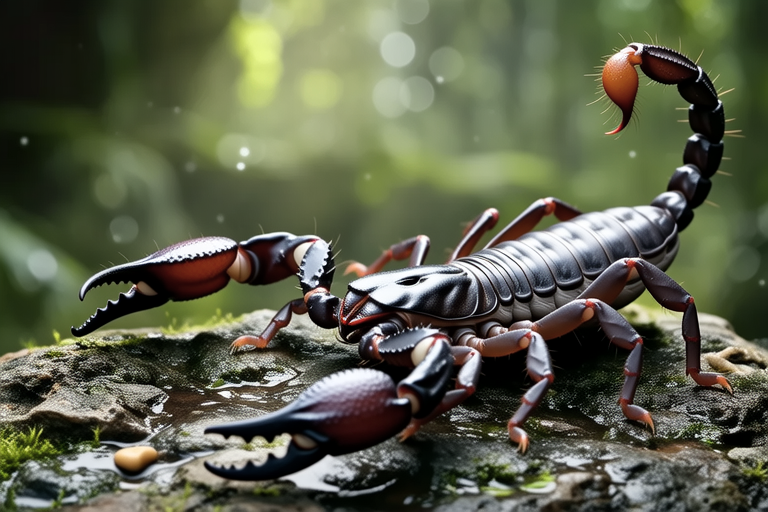
Adventures with Heterometrus Spinifer: A Beginner’s Guide to Scorpions
Welcome to the fascinating world of scorpions, where every pinch and pounce tells a story of survival and adaptation. For beginners venturing into the realm of exotic pets, the Heterometrus spinifer offers a unique and rewarding experience. This article will guide you through the basics of keeping these remarkable creatures as pets, ensuring you’re well-equipped to provide them with the care they need.
The Basics of Caring for Heterometrus Spinifer
Heterometrus spinifer, also known as the Asian forest scorpion, is native to parts of Southeast Asia. They are one of the largest species of scorpions, reaching lengths of up to 8 inches. Their natural habitat includes tropical forests and grasslands, where they thrive in humid and warm environments.
To replicate this environment, you’ll need a terrarium that provides ample space for your scorpion. A 10-gallon tank is suitable for a single adult. The enclosure should be equipped with a secure lid to prevent escapes and ensure safety. Substrate, such as coconut fiber or peat moss, should be at least three inches deep to allow burrowing. Add branches, rocks, and other hiding spots to mimic their natural terrain.
Diet and Feeding
Heterometrus spinifer are carnivorous and require a diet rich in protein. In captivity, they can be fed live insects such as crickets, mealworms, and dubia roaches. It’s important to gut-load the prey items with nutritious foods before offering them to your scorpion. Feed your scorpion once or twice a week, depending on its size and activity level. Always remove uneaten prey after a few hours to maintain hygiene in the enclosure.
Behavior and Interaction
Understanding the behavior of your scorpion is crucial for successful care. Heterometrus spinifer are nocturnal and spend most of their day hidden. They are generally docile but may become defensive if provoked. Handling should be minimized to avoid stress and potential injury. When necessary, use long-handled tweezers or a soft brush to gently move your scorpion within the enclosure.
Observing your scorpion’s daily activities can provide insights into its health and well-being. Note any changes in appetite, activity levels, or appearance. Regularly cleaning the enclosure and providing fresh water will help maintain a healthy environment.
Health Issues and Maintenance
Like all animals, scorpions can face health challenges. Common issues include mites, which can be treated with appropriate antiparasitic medications. Ensuring proper humidity levels and avoiding overcrowding are key preventive measures. Regular veterinary check-ups are recommended to catch any potential problems early.
Maintaining a clean and hygienic environment is essential. Clean the substrate and replace it as needed. Disinfect the enclosure periodically, paying attention to corners and crevices where bacteria can accumulate.
Safety and Responsibility
Owning exotic pets like scorpions comes with significant responsibilities. These animals have specific needs that must be met to ensure their well-being. Before committing to a scorpion, research thoroughly and consider whether you’re prepared for the commitment. Understand the legalities and regulations surrounding exotic pet ownership in your area.
When handling your scorpion, always prioritize safety. Use protective gear, such as gloves, and approach slowly and calmly. Never handle a scorpion if you’re feeling stressed or distracted. Keep children and pets away from the enclosure to prevent accidents.
Natural Environment and Behavior
In their natural habitat, Heterometrus spinifer are adept at navigating their surroundings. They use their pincers and stinger for defense and hunting. During the day, they retreat into burrows or under rocks to avoid predators and harsh sunlight. At night, they emerge to hunt for food.
These scorpions are solitary creatures and prefer to be alone. In captivity, housing multiple scorpions together is not recommended due to the risk of aggression and stress. Providing a spacious and enriching environment will encourage natural behaviors and promote overall health.
Tips for New Enthusiasts
Becoming a scorpion keeper requires patience and dedication. Start by observing your scorpion’s behavior and learning its preferences. Join online forums and local clubs to connect with fellow enthusiasts and gain valuable advice. Attend workshops and seminars to expand your knowledge and skills.
Remember, the journey of keeping scorpions is both rewarding and challenging. By providing the best care possible, you’ll ensure your pet thrives and brings joy to your home.
Conclusion
Adventures with Heterometrus spinifer offer a unique glimpse into the world of exotic pets. With the right knowledge and preparation, you can create a thriving environment for your scorpion. Embrace the responsibility and enjoy the fascinating companionship of these incredible creatures.
