Top Secrets for Successfully Owning an Arowana Pet
Introduction to Arowana Species and Their Unique Characteristics
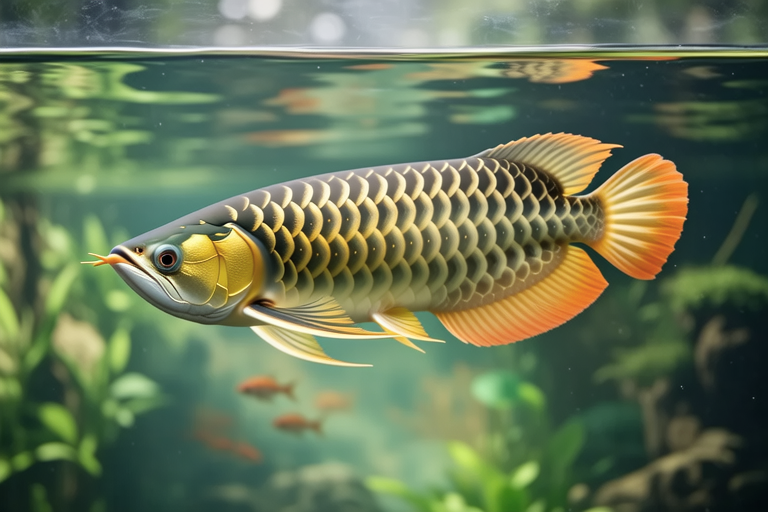
The Arowana is a fascinating and majestic freshwater fish known for its striking appearance and remarkable capabilities. Originating from South America, Asia, and Africa, these fish are highly valued for their shimmering scales, powerful jaws, and ability to leap out of the water. The most popular species include the Asian Arowana (Scleropages formosus), the Silver Arowana (Osteoglossum bicirrhosum), and the Black Arowana (Scleropages jardinii). Each species boasts unique features that make them captivating pets. For instance, the Asian Arowana is renowned for its vibrant colors and distinct markings, while the Silver Arowana is celebrated for its sleek, silvery scales and impressive jumping abilities.
Arowanas are considered intelligent and social creatures, often displaying behaviors that captivate their owners. They have excellent vision and can leap out of the water to catch prey, making them skilled hunters. Additionally, they possess strong parental instincts, often guarding their young fiercely. These traits contribute to their appeal as pets, but also require careful consideration when setting up their environment and providing care.
Essential Tank Setup Requirements
Tank Size
Arowanas are large fish that grow significantly over time, necessitating ample space for swimming and movement. An adult Arowana requires a minimum tank size of 180 gallons, with dimensions of at least 4 feet long, 2 feet wide, and 2 feet deep. Larger tanks are recommended for multiple Arowanas or those aiming for a more spacious living environment.
Filtration
Effective filtration is crucial for maintaining water quality and ensuring the health of your Arowana. A high-quality external canister filter or a combination of internal and external filters is ideal. The filter should be capable of handling at least 6 times the volume of the tank per hour. This ensures adequate circulation and oxygenation of the water, preventing stagnation and promoting a healthy aquatic environment.
Water Parameters
Arowanas thrive in specific water conditions. The optimal pH level ranges between 6.5 and 7.5, with a temperature between 78°F and 84°F. Regular testing and maintenance of these parameters are essential. Use a reliable water testing kit to monitor pH, ammonia, nitrite, and nitrate levels, and adjust accordingly. Additionally, regular water changes, typically 10-20% weekly, help maintain water quality and prevent harmful bacteria buildup.
Detailed Feeding Habits and Nutritional Needs
Arowanas are carnivorous and require a balanced diet rich in proteins. Their staple diet consists of live or frozen foods such as feeder fish, earthworms, and shrimp. It’s important to provide a varied diet to ensure they receive all necessary nutrients. Commercially available pellets formulated for large predatory fish can also be included in their diet, but should not replace live food entirely. Feeding should be done 2-3 times a week, with portions sized according to the fish’s appetite. Overfeeding can lead to poor water quality and health issues.
Supplemental vitamins and minerals can be added to their diet through occasional treats like krill or fortified pellets. Ensuring a diverse diet helps maintain their overall health and supports their growth and vitality. Avoid feeding them processed foods or those that may contain harmful additives.
Tips for Maintaining Water Quality and Managing Tank Hygiene
Maintaining clean water is paramount for the health of your Arowana. Regular water changes, as mentioned earlier, are crucial. Additionally, proper filtration and the use of beneficial bacteria supplements can aid in breaking down waste products and maintaining a stable ecosystem. Ensure that any decorations or plants used in the tank are safe and do not introduce harmful chemicals or toxins.
Regular cleaning of the tank, including scrubbing the glass and removing algae, is necessary to prevent the buildup of organic matter. Vacuuming the substrate and replacing carbon filters regularly also contribute to overall cleanliness. By adhering to these practices, you can ensure a healthy and thriving environment for your Arowana.
Insights into Arowana Behavior and How to Ensure Their Mental Well-being
Arowanas are intelligent and social animals, often displaying behaviors that indicate their emotional state. They can become stressed or bored if not provided with adequate stimulation. To promote their mental well-being, it’s important to offer hiding spots, such as caves or dense plantings, where they can retreat when feeling threatened. Providing enrichment activities, like floating objects or toys, can also engage their natural hunting instincts and keep them mentally stimulated.
Consistent interaction and gentle handling can foster a bond between you and your Arowana. However, it’s essential to approach them carefully, respecting their boundaries and avoiding sudden movements that might startle them. Establishing a routine for feeding and interaction can help create a sense of security and predictability for your pet.
Common Health Issues and Preventive Care Tips
Like any pet, Arowanas are susceptible to various health issues. Some common problems include bacterial infections, fungal diseases, and parasites. Regular observation of your fish’s behavior and physical condition can help detect potential issues early. Look for signs such as lethargy, loss of appetite, discoloration, or unusual swimming patterns.
To prevent these issues, maintain optimal water quality, provide a balanced diet, and minimize stress. Quarantine new fish before introducing them to the main tank to avoid the introduction of pathogens. Regular health check-ups by a veterinarian specializing in exotic fish can also be beneficial.
Advice on Handling and Interacting with Your Arowana Safely
When handling your Arowana, always use a net or a container designed for fish transport. Never remove them directly from the water with your hands, as this can cause injury. If you need to move them, gently scoop them into a net and transfer them to a holding container filled with water from their tank. Be cautious during this process, as Arowanas can be quite strong and may struggle.
Interactions should be limited to feeding and minimal handling. Frequent touching or moving can cause stress and potentially harm the fish. Always ensure your hands are clean and free of any substances that could be harmful to your pet.
Conclusion Summarizing Key Points for Successful Ownership
Owning an Arowana can be a rewarding experience, but it requires dedication and attention to detail. Understanding their unique characteristics, providing a suitable environment, and meeting their nutritional and behavioral needs are essential for their health and happiness. By following the guidelines outlined in this article, you can ensure a thriving and fulfilling relationship with your Arowana. Remember, patience and consistency are key to successfully owning one of these magnificent creatures.
