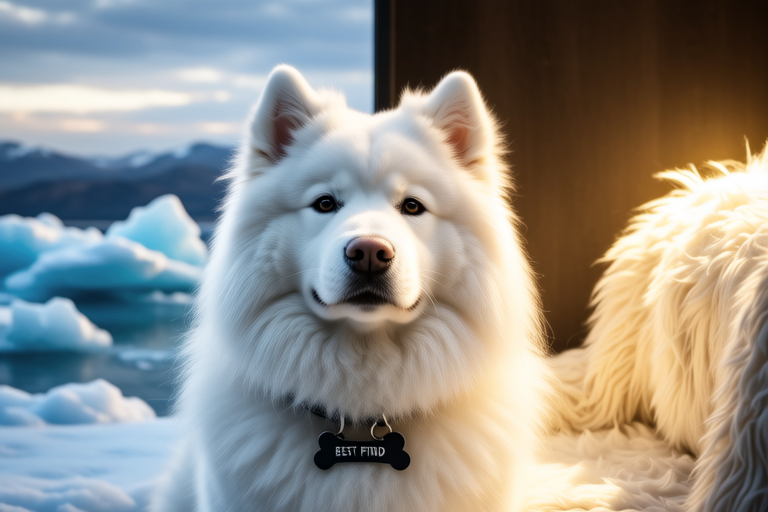
The Samoyed: From Tundra Herder to Beloved Family Pet
The Samoyed is a breed of dog known for its striking white coat, friendly demeanor, and robust energy. Originating from the harsh tundra regions of Siberia, these dogs were originally bred by the Nenets people, who used them for herding reindeer and pulling sleds. Today, the Samoyed has evolved into a cherished family pet, maintaining many of its original traits while adapting to a more relaxed lifestyle. This article explores the history, evolution, and characteristics of the Samoyed, providing insights into their genetic makeup, training, health, and enduring appeal.
Origins and Historical Roles
The Samoyed’s history traces back to the nomadic Nenets people of Siberia. These hardy individuals relied on the Samoyed to help them survive in the unforgiving Arctic environment. The dogs were essential for herding reindeer and pulling sleds, tasks that required intelligence, strength, and endurance. Their thick double coats provided insulation against the cold, making them well-suited for life in the tundra.
Samoyeds were also valued for their companionship. They lived closely with their human families, forming strong bonds. This close relationship is reflected in the breed’s friendly and affectionate nature today. Despite their size and strength, Samoyeds are gentle and patient, qualities that made them ideal partners for the Nenets.
Evolution and Adaptation
As humans migrated from the tundra to more temperate climates, the Samoyed adapted to new environments and roles. In the late 19th and early 20th centuries, the breed gained popularity as a show dog and companion animal in Europe and North America. Their striking appearance and friendly disposition made them appealing to many dog lovers.
Today, Samoyeds are primarily kept as pets, though they still retain many of the traits that made them successful in their original roles. Their thick, fluffy coats protect them from cold weather, but they can also thrive in warmer climates if properly cared for. Their high energy levels and playful nature make them excellent companions for active families, while their intelligence and trainability allow them to excel in obedience and agility competitions.
Key Traits and Genetic Makeup
The Samoyed’s most distinctive feature is its thick, plush coat. This double coat consists of a soft undercoat and a longer, coarser outer coat. The coat serves as an effective insulator, protecting the dog from the cold. It also requires regular grooming to prevent matting and tangling. Proper care includes brushing the coat several times a week and bathing only when necessary to avoid stripping the natural oils.
Samoyeds are known for their friendly and outgoing personalities. They are typically good with children and other animals, making them excellent family pets. However, their high energy levels and independent streak mean they require consistent training and mental stimulation to thrive. Early socialization and positive reinforcement training are recommended to ensure they become well-adjusted members of the household.
Genetically, Samoyeds belong to the spitz group of dogs, which includes breeds like the Alaskan Malamute and Siberian Husky. Spitz breeds share certain physical and behavioral traits, including pointed ears, a curled tail, and a strong prey drive. Understanding the Samoyed’s genetic background can help owners better understand and manage their behavior.
Training Tips
Training a Samoyed requires patience and consistency. Due to their intelligence and independence, they can be challenging to train if approached incorrectly. Positive reinforcement techniques, such as treats and praise, are highly effective for encouraging desired behaviors. Clicker training, a method that uses a clicking sound to mark correct responses, can also be beneficial.
Socialization is crucial for Samoyeds, especially during their puppyhood. Exposing them to different people, animals, and environments helps them develop into confident and well-rounded adults. Basic commands like “sit,” “stay,” and “come” should be taught early on to establish clear communication between owner and dog.
Physical exercise is essential for keeping Samoyeds happy and healthy. They need daily walks and opportunities for play to burn off excess energy. Mental stimulation is equally important, so consider puzzle toys or interactive games to keep their minds engaged.
Common Health Issues
Despite their overall good health, Samoyeds are prone to certain genetic conditions. Hip dysplasia, a condition where the hip joint doesn’t fit properly, is relatively common in large breeds like the Samoyed. Regular veterinary check-ups and a balanced diet can help manage this issue.
Other potential health concerns include progressive retinal atrophy (PRA), an inherited disorder that affects vision, and hypothyroidism, a condition where the thyroid gland doesn’t produce enough hormones. Responsible breeding practices and regular screenings can reduce the risk of these conditions.
Dental hygiene is another important aspect of Samoyed care. Tartar buildup can lead to gum disease, so brushing your dog’s teeth regularly and providing dental chews can help maintain oral health.
Influence of Historical Working Roles
The Samoyed’s historical roles as a herder and sled puller have significantly influenced their behavior today. Their strong work ethic and desire to please their owners make them eager learners and reliable companions. However, their independent nature means they may not always respond immediately to commands.
Owners should be prepared to invest time and effort into training and socializing their Samoyed. Establishing routines and setting clear boundaries can help ensure a harmonious relationship. Recognizing and rewarding good behavior reinforces positive actions, making training more effective.
Famous Samoyeds and Cultural Significance
The Samoyed has appeared in various forms of media throughout history, contributing to its enduring appeal. One of the earliest references to the breed in literature is in Jack London’s novel “White Fang,” where a Samoyed named Curly plays a significant role. In the film industry, Samoyeds have starred in movies like “101 Dalmatians” and “The Adventures of Milo and Otis.”
Several notable Samoyeds have also achieved fame in their own right. For example, the Samoyed named Kiska was the first dog to reach the South Pole with Norwegian explorer Roald Amundsen in 1911. Another famous Samoyed, Yukon, accompanied British explorer Ernest Shackleton on his Antarctic expedition in 1907.
Conclusion
The Samoyed is a remarkable breed with a rich history and enduring appeal. From their origins as herders and sled pullers in the Siberian tundra to their current role as beloved family pets, these dogs have maintained many of their original traits while adapting to modern life. Their thick coats, friendly dispositions, and energetic natures make them versatile companions, capable of thriving in a variety of environments.
Understanding the Samoyed’s history and genetic makeup can help owners provide the best possible care for their dogs. With proper training, socialization, and health management, Samoyeds can enjoy long, happy lives as cherished members of their families. Whether you’re a seasoned dog lover or simply curious about this unique breed, the Samoyed offers much to appreciate and admire.
