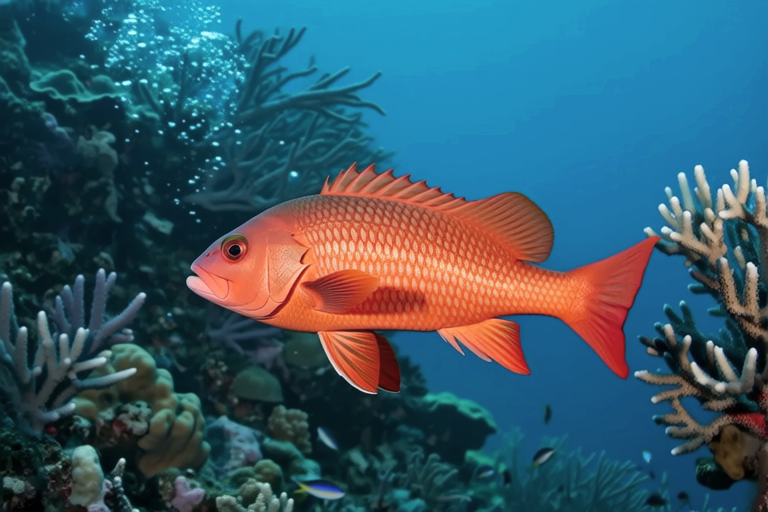
From Coral Reefs to Aquariums: All You Need to Know About Parrot Fish
Welcome to the fascinating world of parrot fish! These colorful creatures are a true gem of the marine ecosystem. With their vibrant hues and distinctive appearance, parrot fish have captivated the hearts of divers, snorkelers, and aquarists alike. In this article, we will explore everything you need to know about parrot fish, from their natural habitat in coral reefs to the considerations involved in keeping them in home aquariums.
The Vibrant World of Parrot Fish
Parrot fish are known for their striking appearance, which is characterized by their bright colors and unique patterns. Their bodies are often adorned with shades of blue, green, yellow, and red, creating a mesmerizing display of color that can rival the beauty of the coral reefs they inhabit. The name “parrot fish” comes from their beak-like mouth, which is used for grazing on algae-covered corals. This beak is strong enough to break off pieces of coral, allowing these fish to access the nutritious algae inside.
These fish belong to the family Scaridae and are found in tropical and subtropical waters around the world. There are over 90 species of parrot fish, each with its own distinct characteristics and behaviors. Some of the most popular species among aquarists include the Queen parrot fish (Scarus vetula), the Midnight parrot fish (Sparisoma viride), and the Blue-green parrot fish (Scarus coeruleus).
Natural Habitat and Ecological Role
Parrot fish play a crucial role in maintaining the health of coral reefs. They are primarily found in shallow waters, typically no deeper than 30 meters, where they graze on algae that grow on coral surfaces. By consuming these algae, parrot fish help prevent overgrowth, which could otherwise smother the coral and hinder its growth. This process is essential for the survival of the coral reef ecosystem, as it ensures that the coral has sufficient space and nutrients to thrive.
In addition to their role as grazers, parrot fish also contribute to the formation of sand on coral reefs. As they consume the coral, their digestive systems break down the calcium carbonate, which is then excreted as fine sand particles. This process is vital for the maintenance of the reef’s sandy beaches and plays a significant role in the overall health of the reef ecosystem.
Diet, Behavior, and Reproduction in the Wild
Parrot fish are herbivores, feeding mainly on algae that grow on coral surfaces. They use their strong beaks to scrape off the algae, which they then grind up in their pharyngeal teeth before swallowing. In addition to algae, some species may also feed on small invertebrates, such as crustaceans and mollusks. Their diet is rich in nutrients, which helps them maintain their vibrant colors and strong immune systems.
Behaviorally, parrot fish are generally peaceful and non-aggressive, making them popular choices for community tanks. However, during breeding season, males can become territorial and aggressive towards other males of the same species. This behavior is often accompanied by elaborate courtship displays, where males attempt to attract females by showing off their brightest colors and performing intricate dances.
Parrot fish reproduce through external fertilization, where eggs and sperm are released into the water column. After mating, the female releases thousands of eggs, which are then fertilized by the male. The fertilized eggs float in the water column until they hatch, after which the newly hatched larvae drift with ocean currents until they find a suitable reef to settle on. Once settled, the larvae undergo metamorphosis and develop into juvenile parrot fish, eventually joining adult populations on the reef.
Keeping Parrot Fish in Home Aquariums
If you’re considering adding a parrot fish to your home aquarium, there are several factors to consider. While they are beautiful and fascinating creatures, they require specific care and attention to ensure their well-being. Below, we’ll discuss some key aspects of keeping parrot fish in home aquariums, including tank size requirements, water conditions, compatible tank mates, and dietary needs.
Tank Size Requirements
Parrot fish need ample space to swim and graze comfortably. For a single adult parrot fish, a tank size of at least 250 gallons is recommended. Larger tanks are preferable, especially if you plan to keep multiple parrot fish or other large fish species. Providing adequate space allows the fish to establish territories and reduces the risk of stress and aggression.
Water Conditions
Parrot fish thrive in stable water conditions that mimic their natural environment. Maintaining optimal water quality is crucial for their health and longevity. Here are some key water parameters to monitor:
- Temperature: Keep the water temperature between 74°F and 82°F (23°C and 28°C).
- pH Level: Maintain a pH level between 8.1 and 8.4.
- Salinity: Ensure the salinity is between 1.020 and 1.025 specific gravity.
- Ammonia and Nitrite Levels: Both should be kept at 0 ppm.
- Nitrate Levels: Aim for nitrate levels below 20 ppm.
Regular water changes and the use of high-quality filtration systems are essential for maintaining these parameters. A protein skimmer is highly recommended to remove organic waste and excess nutrients from the water.
Compatible Tank Mates
When choosing tank mates for your parrot fish, it’s important to select species that are peaceful and non-aggressive. Parrot fish are generally tolerant of other species, but they may become territorial if overcrowded or stressed. Some good tank mate options include tangs, wrasses, and surgeonfish. Avoid keeping parrot fish with overly aggressive or territorial species, as this can lead to stress and potential injuries.
Dietary Needs
In captivity, parrot fish require a balanced diet that includes a variety of foods to replicate their natural diet. High-quality flake food, pellets, and frozen or live foods can provide the necessary nutrients. Additionally, offering fresh vegetables like seaweed, spinach, and lettuce can help simulate their natural grazing behavior. It’s important to offer a diverse diet to ensure that the fish receive all the necessary vitamins and minerals.
Maintaining a Healthy Environment for Parrot Fish
To ensure the long-term health and well-being of your parrot fish, it’s crucial to maintain a clean and stable aquarium environment. Regular water changes and monitoring of water parameters are essential. Aim for weekly water changes of approximately 10-15% of the total tank volume. This helps remove accumulated waste and maintains optimal water quality.
Monitoring water parameters regularly is also important. Use test kits to check ammonia, nitrite, nitrate, pH, and salinity levels. Adjustments can be made as needed to ensure that these parameters remain within the recommended ranges. Additionally, providing hiding spots and plenty of swimming space can help reduce stress and promote natural behaviors.
By following these guidelines and providing proper care, you can enjoy the vibrant presence of parrot fish in your home aquarium for years to come. Remember that while parrot fish are captivating and beautiful, they require careful consideration and dedication to maintain their health and happiness.
