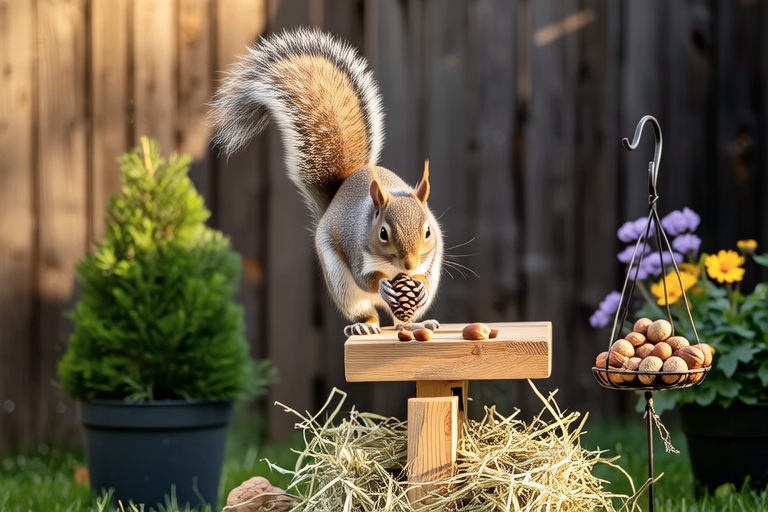
How To Turn Your Garden Into A Squirrel Sanctuary: Tips & Tricks
Welcome to your guide on transforming your garden into a sanctuary for squirrels! This comprehensive article will walk you through the steps to create a welcoming environment for these delightful creatures, providing them with food, shelter, and safety. We’ll cover everything from selecting suitable plants to maintaining a balanced ecosystem and ensuring ethical interaction. Let’s dive in!
Selecting Suitable Plants That Provide Food and Shelter
Creating a habitat that attracts squirrels starts with planting the right species of trees, shrubs, and flowers. Squirrels need a variety of food sources throughout the year, so consider both springtime blooms and winter fruits. Trees like oak, hickory, and walnut are excellent choices, as they offer acorns, nuts, and seeds. Shrubs such as elderberry and dogwood provide berries that are essential during colder months.
In addition to trees and shrubs, ground covers and flowering plants can enhance the diversity of your garden. These not only add aesthetic value but also attract insects that squirrels enjoy eating. Native plants are particularly beneficial because they have adapted over time to local conditions and wildlife needs. They require less maintenance and support a wider range of beneficial organisms.
Creating Nesting Areas
Nest boxes or dreys (natural nests) can be constructed or purchased to give squirrels a safe place to raise their young. Place nest boxes at least 10 feet off the ground, facing away from prevailing winds, and in areas where they won’t be disturbed by pets or frequent human activity. Dreys can be made using natural materials like twigs, leaves, moss, and bark. Encourage squirrels to build their own nests by leaving dead branches and dense shrubbery intact.
It’s important to ensure that any structures you introduce are sturdy enough to withstand weather conditions and potential damage from squirrels themselves. Regular checks and maintenance will help keep nesting areas secure and comfortable for your furry visitors.
Setting Up Feeding Stations
Feeding stations are crucial for supplementing natural food sources, especially when resources are scarce. You can set up feeders designed specifically for squirrels, which come in various shapes and sizes. Platform feeders work well for multiple squirrels, while tube feeders are great for single squirrels. Position feeders near trees or bushes to provide easy access and protection from predators.
When choosing what to feed, opt for high-quality, nutritious options like unsalted nuts, seeds, and dried fruit. Avoid foods that could harm squirrels, such as chocolate, salted snacks, or sugary treats. Fresh water should always be available, especially during hot summer days. Clean and refill feeders regularly to prevent mold growth and bacterial contamination.
Ensuring Safety From Predators and Common Dangers
Safety is paramount when creating a squirrel sanctuary. Cats, dogs, birds of prey, and even some humans pose threats to squirrels. To protect your guests, install predator guards around tree trunks to prevent climbing animals from reaching nests or feeders. Use motion-activated sprinklers or alarms to deter unwanted visitors without harming them.
Avoid using pesticides and herbicides that might poison squirrels or other wildlife. Instead, practice organic gardening methods to maintain a healthy environment. Keep your garden free of clutter and debris that could harbor predators or dangerous items. By taking these precautions, you can ensure that your squirrel population thrives safely within your garden.
Maintaining a Balanced Ecosystem
A thriving squirrel sanctuary relies on maintaining a balanced ecosystem. Introduce native plants that support pollinators, such as bees and butterflies, which contribute to the overall health of your garden. Avoid invasive species that could disrupt local flora and fauna. Compost kitchen scraps and yard waste to enrich soil naturally, promoting robust plant growth.
Monitor the number of squirrels in your garden to avoid overcrowding, which can lead to resource depletion and increased competition. If necessary, gently relocate excess squirrels to nearby parks or forests where they can continue contributing positively to the ecosystem. Engage with local wildlife experts if you’re unsure about how many squirrels are appropriate for your space.
Ethical Considerations For Interacting With Squirrels
Treating squirrels ethically involves respecting their boundaries and understanding their behavior. Do not handle wild squirrels unless absolutely necessary, as this can stress them out and potentially expose you to diseases. Observe them from a distance, appreciating their antics without interfering too much.
Be mindful of seasonal changes that affect squirrel behavior. During mating season, avoid disturbing nesting sites. In autumn, leave fallen leaves and acorns undisturbed to provide natural shelters and food sources. Educate yourself about local regulations regarding wildlife management, ensuring compliance with laws protecting squirrels.
Finally, share your experiences and knowledge with neighbors and community members. Encouraging others to create squirrel-friendly environments can significantly increase the number of safe habitats available for these charming creatures.
By following these tips and tricks, you can turn your garden into a thriving squirrel sanctuary. Not only will you enjoy watching these fascinating animals go about their daily lives, but you’ll also play an active role in preserving biodiversity in your area. Happy gardening!
