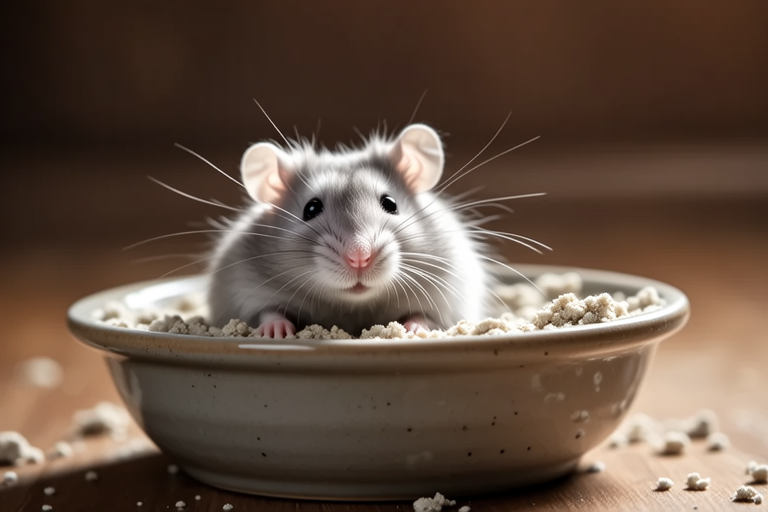
Unraveling the Mystery Behind Chinchilla Dust Baths
Introduction:
Chinchillas are small, fluffy rodents native to the Andes Mountains of South America. Known for their dense fur, these creatures have a unique grooming habit that sets them apart from other animals: dust bathing. This practice is not just a quirky behavior but a vital part of their health and well-being. Understanding why chinchillas engage in dust baths and how to facilitate this activity properly can help owners provide the best care for their pets.
The Unique Grooming Habits of Chinchillas
Unlike many other animals that bathe in water, chinchillas rely on dust baths to keep their coats clean and healthy. Their fur is incredibly dense, consisting of approximately 60 hairs per follicle, which makes it difficult for them to groom themselves effectively with their tongues or paws. The dust particles act as a natural exfoliant, helping to remove loose hair, dirt, and oils from their fur.
Dust bathing also serves another important function: it helps regulate body temperature. In their natural habitat, chinchillas inhabit rocky areas where temperatures can fluctuate drastically. By rolling in fine volcanic ash, they create a barrier that protects them from overheating during the day and losing heat at night.
The Importance of Dust Baths for Health
Regular dust baths are crucial for maintaining the health of chinchillas’ skin and fur. Without proper grooming, their thick coat can become matted and prone to fungal infections. Additionally, excess oil buildup can lead to discomfort and irritability. Ensuring that your pet has access to regular dust baths will promote healthy skin and a lustrous coat.
Type of Dust Suitable for Chinchillas
Not all types of dust are appropriate for chinchillas. Commercially available chinchilla dust is finely ground and specifically formulated for their needs. This dust consists primarily of volcanic ash, which is soft yet abrasive enough to cleanse the fur without causing irritation. Avoid using any substitutes like baby powder, as these can be harmful due to their chemical composition.
When purchasing dust, look for products labeled as “chinchilla-safe” or “pet-safe.” These products undergo testing to ensure they do not contain additives that could be detrimental to your pet’s health.
Frequency of Dust Baths
Chinchillas typically need to take dust baths once or twice a week. Over-bathing can strip the natural oils from their skin, leading to dryness and potential dermatological issues. Conversely, insufficient bathing can result in poor hygiene and discomfort. It is essential to strike a balance by observing your chinchilla’s behavior and adjusting the frequency accordingly.
Historical Context and Natural Habitat
Chinchillas originally lived in the high-altitude regions of the Andes Mountains, where they thrived in rocky outcrops and cliffs. Their natural habitat provided ample opportunities for dust bathing, as volcanic ash was readily available. In the wild, chinchillas would roll around in the fine particles, covering themselves entirely to ensure thorough cleaning.
This instinctual behavior has been passed down through generations, making dust bathing an integral part of their daily routine. Understanding the historical context helps explain why chinchillas require dust baths even when living in captivity.
Common Misconceptions About Dust Baths
One prevalent misconception is that dust baths are messy and unsanitary. While it may seem counterintuitive, dust baths are actually quite clean and manageable. The fine dust used for chinchillas does not stick to surfaces like water-based messes do, making cleanup relatively easy.
Another myth is that dust baths are unnecessary for indoor chinchillas. However, even those living in controlled environments benefit greatly from regular dust baths. Indoor environments can still accumulate dust and oils, and the lack of natural elements means that chinchillas must rely on their human caregivers to provide adequate grooming opportunities.
Tips for Owners to Ensure Safe and Effective Grooming Sessions
To ensure your chinchilla enjoys safe and effective dust baths, follow these tips:
-
Provide a shallow container that allows your chinchilla to move freely while bathing.
-
Fill the container with an appropriate amount of dust, ensuring there is enough for your chinchilla to roll around comfortably.
-
Supervise the dust bath session to prevent over-bathing and to ensure your pet does not ingest excessive amounts of dust.
-
After the session, remove any leftover dust from the cage to maintain cleanliness.
The Importance of Monitoring Chinchillas During Dust Baths
Maintaining a watchful eye during dust baths is crucial for several reasons. First, it allows you to monitor your chinchilla’s behavior and ensure they are not ingesting too much dust, which can cause respiratory issues. Second, it provides an opportunity to check for any signs of discomfort or distress, such as excessive scratching or grooming. Finally, it reinforces the bond between you and your pet, creating a positive experience associated with grooming.
Potential Risks If Dust Bath Practices Are Neglected
Failure to provide regular dust baths can lead to serious health problems for chinchillas. Matted fur can trap moisture, leading to bacterial or fungal infections. Skin irritation and inflammation can occur due to the accumulation of oils and debris. Moreover, neglecting dust baths can result in stress and anxiety, affecting your chinchilla’s overall quality of life.
By understanding the importance of dust baths and implementing proper grooming practices, owners can ensure their chinchillas remain healthy and happy. Regular dust baths not only promote physical well-being but also contribute to the mental and emotional health of these delightful creatures.
Conclusion:
Dust baths are an essential aspect of chinchilla care, rooted in their natural instincts and historical context. By providing the right type of dust and following recommended guidelines, owners can help their pets maintain optimal health and hygiene. Remember to monitor dust baths carefully and address any concerns promptly to ensure a positive experience for both you and your chinchilla.
