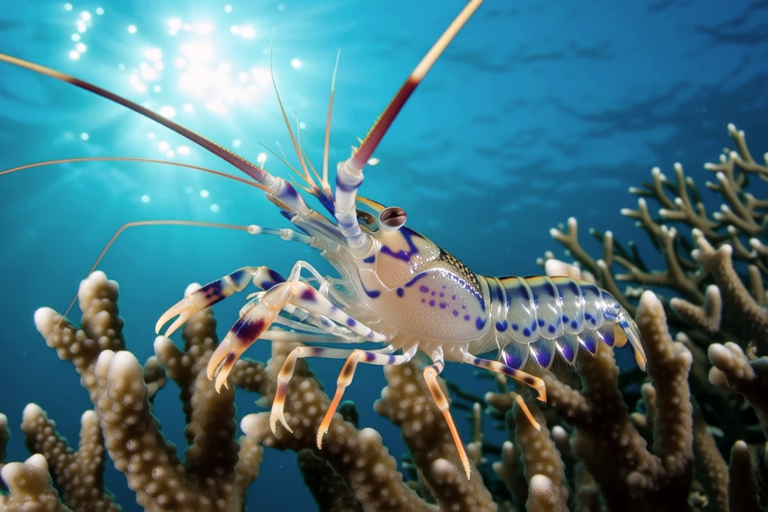
The Hidden World of Coral Shrimp: Guardians of the Reef
Coral reefs are among the most vibrant and diverse ecosystems on Earth, teeming with life that has adapted to thrive in their intricate, colorful environments. One such inhabitant is the coral shrimp, a tiny yet vital player in the complex web of life within these underwater cities. These fascinating creatures have evolved to live in harmony with their surroundings, forming symbiotic relationships with other marine life while also facing numerous challenges in their delicate ecosystem.
A Diverse Array of Species
There are over 400 known species of coral shrimp, each with its own unique characteristics and adaptations. Some, like the cleaner shrimp (Periclimenes yucatanicus), are famous for their role as underwater janitors, while others, such as the fire shrimp (Rhynchocinetes durbanensis), are known for their striking appearance and bold behavior. Each species plays a crucial role in maintaining the balance of the reef ecosystem.
Adaptations to Coral Reefs
Coral shrimp have developed remarkable adaptations to survive in the challenging conditions of coral reefs. Their streamlined bodies allow them to navigate through the intricate architecture of coral colonies, while their vibrant colors help them blend into their environment. Some species even mimic the appearance of coral polyps, making them nearly invisible to predators. This camouflage not only protects them but also allows them to approach potential prey more easily.
Symbiotic Relationships
One of the most fascinating aspects of coral shrimp is their symbiotic relationships with other marine organisms. Cleaner shrimp, for example, form mutualistic relationships with larger fish, which visit cleaning stations where the shrimp remove parasites and dead skin. In return, the shrimp receive a meal and protection from predators. This relationship benefits both parties, ensuring the health of the reef’s inhabitants.
Other coral shrimp species engage in commensalism, living alongside anemones or sea stars without harming them. The shrimp gain shelter and protection from their hosts, while the hosts remain unharmed. These partnerships highlight the interconnectedness of life within the reef, where every organism plays a part in maintaining the delicate balance.
The Role of Coral Shrimp in Reef Health
Coral shrimp play a vital role in maintaining the health of their reef environments. By preying on small organisms and detritus, they help control the population of harmful species that could otherwise disrupt the ecosystem. Additionally, their scavenging activities contribute to nutrient cycling, enriching the water around them and promoting the growth of beneficial algae and coral polyps.
Some species of coral shrimp are also involved in the reproduction of their host corals. They assist in the release and fertilization of eggs, ensuring the survival of future generations of coral. This reproductive support is crucial for the long-term health and resilience of coral reefs, which are under threat from climate change, pollution, and overfishing.
Challenges in Their Ecosystem
Despite their adaptations and important roles, coral shrimp face numerous challenges in their ecosystem. Climate change poses one of the greatest threats, as rising ocean temperatures and acidification can harm their coral hosts and disrupt the delicate balance of the reef. Pollution, particularly from agricultural runoff and plastic waste, also affects the health of the reef and its inhabitants.
Overfishing and habitat destruction further exacerbate these issues, as they reduce the number of predators and prey available to coral shrimp, destabilizing the food chain. To address these challenges, conservation efforts must focus on protecting coral reefs and the creatures that call them home. By supporting sustainable fishing practices, reducing pollution, and promoting coral restoration projects, we can help ensure the survival of these vital ecosystems.
Fascinating Facts About Coral Shrimp
Coral shrimp possess several intriguing traits that make them stand out in the marine world. For instance, some species can change color depending on their mood or environment, allowing them to communicate with potential mates or rivals. Others have specialized appendages that help them capture prey or clean surfaces.
Did you know that some coral shrimp can live up to 20 years? This longevity allows them to witness significant changes in their environment and adapt accordingly. Their ability to survive in such a dynamic ecosystem is a testament to their resilience and ingenuity.
Myths and Misconceptions
Despite their importance, there are many myths and misconceptions surrounding coral shrimp. One common myth is that they are harmful to coral reefs, when in fact, they play a crucial role in maintaining their health. Another misconception is that all coral shrimp are aggressive predators, when many species are actually peaceful scavengers or cleaners.
It’s essential to dispel these myths and promote a better understanding of these fascinating creatures. By doing so, we can foster greater appreciation for the complexity of marine ecosystems and the importance of preserving them for future generations.
Conclusion: Appreciating the Complexity of Marine Ecosystems
The hidden world of coral shrimp offers a glimpse into the intricate and beautiful lives of these tiny guardians of the reef. Through their unique behaviors, habitats, and ecological roles, they remind us of the importance of protecting our oceans and the creatures that call them home. By learning more about these fascinating creatures, we can inspire others to appreciate the complexity of marine ecosystems and take action to preserve them.
As we continue to explore the mysteries of the deep, let us remember the vital role that coral shrimp play in maintaining the health of coral reefs. By supporting conservation efforts and promoting sustainable practices, we can help ensure the survival of these vital ecosystems and the countless species that depend on them.
