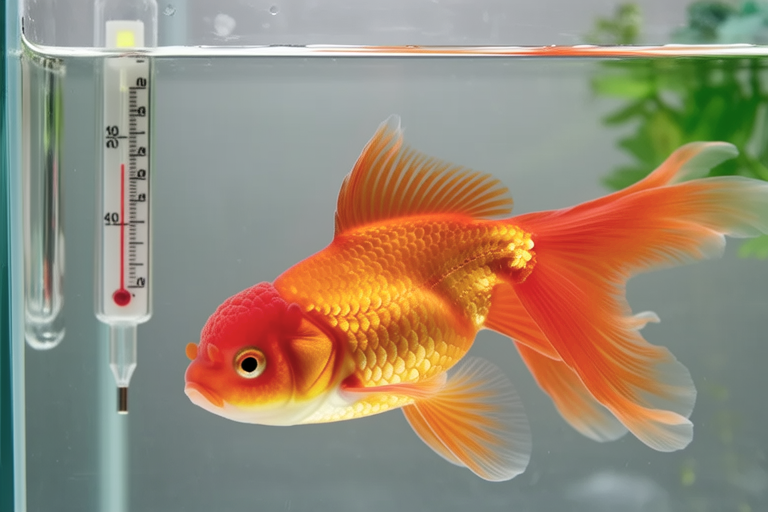
Goldfish Grooming: Care Tips for Healthier, Happier Pets
Welcome to the fascinating world of goldfish care! While it may seem that these vibrant creatures require minimal attention, their well-being is deeply influenced by proper grooming and environmental management. Goldfish grooming is not just about aesthetics; it plays a crucial role in maintaining their overall health and happiness. By understanding and supporting your goldfish’s natural grooming behaviors, you can ensure they lead longer, healthier, and more joyful lives.
The Importance of Grooming for Goldfish Health and Happiness
Grooming in goldfish encompasses a range of activities that contribute to their physical and mental well-being. Regular grooming helps maintain the fish’s scales, fins, and skin, preventing infections and parasites. Healthy grooming also indicates good water quality and proper nutrition, two key factors in the longevity of any aquatic pet. A well-groomed goldfish is not only visually appealing but also a sign of optimal living conditions.
Natural Behaviors of Goldfish Related to Grooming
Goldfish are naturally inclined to groom themselves through swimming and rubbing against smooth surfaces. Swimming is a vital activity that keeps their bodies clean and their muscles toned. Additionally, goldfish often rub against rocks, plants, and other objects within their tank to remove dead scales and debris. Understanding these behaviors is essential for creating an environment that supports their natural grooming instincts.
Detailed Care Tips for Goldfish Grooming
Water Quality Maintenance
The cornerstone of goldfish grooming is maintaining high-quality water. Poor water conditions can lead to numerous health problems, including fungal infections and fin rot. To ensure optimal water quality, regularly test the pH levels, ammonia, nitrite, and nitrate concentrations. Aim for a pH between 6.5 and 8.0, with zero detectable ammonia and nitrite, and low nitrate levels below 40 ppm.
Regular Tank Cleaning
Perform partial water changes every week, removing around 20% of the tank water and replacing it with fresh, dechlorinated water. This helps keep harmful chemicals at bay and provides a consistent environment for your goldfish. Additionally, clean the tank decorations and filter media to prevent the buildup of toxins and pathogens.
Appropriate Feeding Practices
A balanced diet is critical for maintaining your goldfish’s health. Feed them a variety of foods, including high-quality flake food, pellets, and occasional treats like brine shrimp or bloodworms. Avoid overfeeding, as excess food can degrade water quality. Feed your goldfish twice daily, offering only what they can consume within a few minutes.
Signs of Healthy Grooming Habits
Healthy goldfish exhibit vibrant colors, clear eyes, and active swimming patterns. Their fins should be intact, without signs of fraying or discoloration. If your goldfish are grooming themselves normally, they will show no signs of distress or lethargy. Regularly observe your fish to catch any early signs of health issues.
Spotting Common Issues and Gentle Handling Techniques
Fin Rot and Parasites
Fin rot and parasitic infections are common ailments that can affect your goldfish. Fin rot manifests as frayed, discolored, or decaying fins. Parasites, such as ich, appear as white spots on the body and fins. To treat these issues, quarantine affected fish in a separate tank and use appropriate medications under veterinary guidance. Always follow the instructions carefully and monitor the fish’s progress.
Gentle Handling Techniques
When handling your goldfish, it is crucial to be gentle and minimize stress. Use a soft net to transfer the fish from the tank to a holding container filled with tank water. Support the fish gently with your hand, avoiding pressure on delicate areas. Perform examinations in a dimly lit area to reduce stress further.
Creating an Enriching Environment for Goldfish
To support natural grooming behaviors, provide ample space and enrichments in the tank. Goldfish need at least 20 gallons of water per fish, with additional space for larger varieties. Incorporate smooth stones, driftwood, and live or plastic plants to create hiding spots and rubbing surfaces. These additions encourage natural grooming activities while enhancing the visual appeal of the tank.
Additionally, ensure there is adequate filtration to maintain water quality and promote healthy swimming patterns. Goldfish are social animals, so consider keeping them in groups to stimulate their mental well-being. However, be mindful of the tank size and population density to avoid overcrowding.
Conclusion
By embracing the principles of goldfish grooming, you can significantly enhance the health and happiness of your aquatic companions. From maintaining pristine water conditions to providing enriching environments, each aspect of care contributes to a longer, healthier life for your goldfish. With a little effort and attention, you can ensure your goldfish thrive in their aquatic homes, leading lives full of joy and vitality. Happy fishkeeping!
