Top 10 Fun Facts About Guinea Pigs You Didn’t Know
Guinea pigs, also known as cavies, are popular pets around the world due to their friendly nature and amusing personalities. However, there’s much more to these furry friends than meets the eye! From their fascinating history to quirky behaviors, here are ten fun facts about guinea pigs that will make you appreciate them even more.
1. Guinea Pigs Are Not from Guinea, Nor Are They Pigs!
One of the most surprising facts about guinea pigs is that they have no connection to either Guinea or pigs. These small rodents originated from the Andes Mountains in South America, where they were domesticated by indigenous tribes long before European colonization. The name ‘guinea pig’ likely came from Dutch traders who first introduced the animals to Europe, and it may have been a corruption of the word ‘conejillo de Indias,’ which means ‘little rabbit of the Indies.’ Despite the misleading name, guinea pigs belong to the rodent family, along with rats, mice, and squirrels.
2. They Have a Unique Diet
Guinea pigs require a specific diet to stay healthy, and their dietary needs are quite unique among pets. Unlike many other rodents, guinea pigs cannot produce vitamin C on their own, so they need to get it from their food. This makes fresh fruits and vegetables essential parts of their diet. Foods rich in vitamin C, such as bell peppers, strawberries, and oranges, help prevent scurvy, a disease that can cause severe health issues in guinea pigs. Additionally, hay forms the bulk of their diet, providing necessary fiber for digestion. It’s crucial for owners to provide a variety of fresh foods to ensure their guinea pigs receive all the nutrients they need.
3. Guinea Pigs Are Social Creatures
Contrary to what some might think, guinea pigs are highly social animals. In the wild, they live in groups called herds, where they rely on one another for protection and companionship. When kept as pets, guinea pigs thrive when they have a companion. Owners often notice that two guinea pigs together are more active and happier than a single pet. It’s important to introduce guinea pigs slowly and carefully, especially if they’re not related, as they may need time to get used to each other. With patience, most guinea pigs will form strong bonds with their cage mates, playing, grooming, and even sleeping together.
4. They Communicate Through Vocalizations
Guinea pigs are vocal creatures, and they use a range of sounds to communicate with each other and their human caregivers. Some of their common vocalizations include purring, which is a sign of contentment, and wheeking, a high-pitched call that often precedes mealtime. They also make chattering noises when they’re excited or anxious. Each sound has its own meaning, and observant owners can learn to understand their guinea pig’s language. By paying attention to these vocal cues, owners can better meet their pet’s needs and build a stronger bond.
5. Guinea Pigs Have a Long History of Domestication
The domestication of guinea pigs dates back thousands of years, making them one of the oldest domesticated animals. Archaeological evidence suggests that indigenous peoples in South America began keeping guinea pigs as pets and for their meat over 5,000 years ago. Today, guinea pigs remain a popular source of protein in some regions of South America. Their long history of domestication has made them adaptable and well-suited to life as pets, and their gentle nature has made them beloved companions for people around the world.
6. They Have an Amazing Sense of Smell
Despite their small size, guinea pigs have a keen sense of smell that plays a crucial role in their daily lives. They use their olfactory abilities to identify potential predators, locate food, and recognize other guinea pigs. This sense of smell is particularly important in the wild, where guinea pigs must be alert to any danger. In captivity, this sense helps them find treats and toys, and it can also be used to identify different scents left by their human caretakers. Understanding your guinea pig’s reliance on scent can help you create a stimulating environment and enrich their lives.
7. Guinea Pigs Love to Play
While guinea pigs may seem like quiet, docile animals, they actually enjoy plenty of playtime. Providing toys and activities can help keep your guinea pig mentally and physically stimulated. Many guinea pigs love to explore tunnels, chew on safe materials, and push small objects around their enclosure. Some guinea pigs even enjoy supervised play outside their cage, where they can run and jump. Encouraging play not only keeps your guinea pig happy but also helps prevent boredom-related behaviors like chewing on cage bars or excessive grooming.
8. They Have Distinctive Teeth
One of the most noticeable features of guinea pigs is their teeth. Like other rodents, guinea pigs have continuously growing incisors, which they must wear down to prevent overgrowth. This is why it’s important to provide plenty of chew toys and hay for your guinea pig. If their teeth grow too long, they can cause serious health problems, including difficulty eating and painful mouth infections. Regular check-ups with a veterinarian can help ensure your guinea pig’s dental health remains in good condition.
9. Guinea Pigs Can Learn Simple Tricks
With patience and positive reinforcement, guinea pigs can learn simple tricks. Training sessions should be short and fun, using treats as rewards to encourage desired behaviors. Common tricks include teaching your guinea pig to come when called, sit up, or even roll over. Training not only provides mental stimulation but also strengthens the bond between owner and pet. Remember to keep training sessions enjoyable for both of you, and always end on a positive note.
10. They Come in a Variety of Colors and Patterns
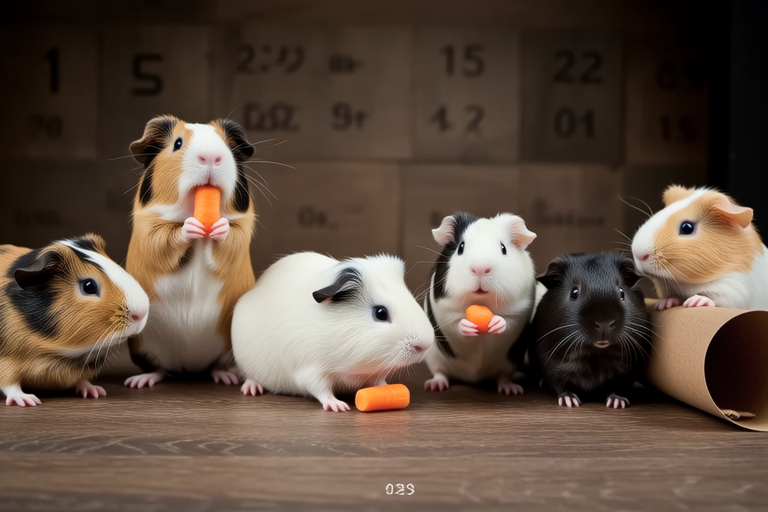
Guinea pigs come in a wide array of colors and patterns, offering something for every taste. From solid-colored guinea pigs to those with complex markings, there’s a guinea pig out there for everyone. Some popular breeds include the American, which comes in a variety of colors and patterns, and the Abyssinian, known for its rosette pattern. Each breed has its own unique characteristics, and learning about the different types can help you choose the right pet for your lifestyle. Whether you prefer a solid white guinea pig or one with multicolored fur, there’s sure to be a guinea pig that fits your preferences.
From their unique dietary requirements to their fascinating history, guinea pigs offer endless opportunities for discovery and enjoyment. By learning more about these charming little creatures, you’ll be better equipped to provide them with the care and attention they deserve. So, whether you’re a seasoned guinea pig owner or considering adopting one, take the time to appreciate the wonderful world of guinea pigs.
