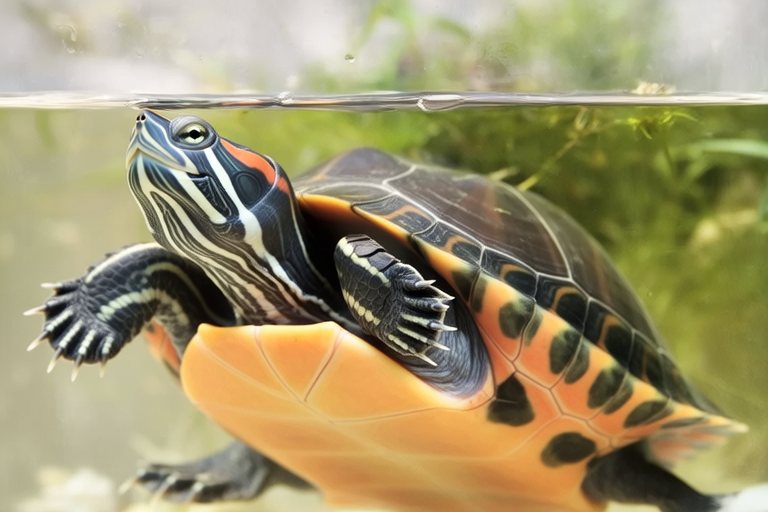
The Ultimate Guide to Feeding Your Red-eared Slider for Optimal Health
Red-eared sliders are among the most popular pet turtles due to their hardiness and ease of care. However, providing them with the right diet is crucial for their health and longevity. This guide will walk you through the nutritional needs of red-eared sliders, suitable food types, feeding frequency, common feeding mistakes, and tips for maintaining water quality and preventing overfeeding.
Nutritional Needs of Red-eared Sliders
Red-eared sliders require a balanced diet that includes a variety of nutrients to support their growth and overall health. The primary components of their diet should include proteins, fats, carbohydrates, vitamins, and minerals. Vitamins A, D3, and B-complex, along with calcium and phosphorus, are particularly important.
Appropriate Food Types
Commercial Pellets
High-quality commercial turtle pellets form the backbone of a red-eared slider’s diet. These pellets are formulated to provide a balanced mix of nutrients, including proteins, fats, carbohydrates, vitamins, and minerals. They are convenient, easy to store, and offer consistent nutrition. When selecting pellets, look for products specifically designed for aquatic turtles and ensure they meet the nutritional requirements of your turtle.
Vegetables and Fruits
Vegetables and fruits can be offered as supplementary foods. Dark leafy greens like romaine lettuce, collard greens, and mustard greens are excellent choices. Other suitable vegetables include squash, bell peppers, and carrots. Fruits such as apples, berries, and melons can also be given occasionally. It’s important to wash all produce thoroughly before feeding to remove any pesticides or harmful bacteria.
Occasional Protein Sources
Protein-rich foods such as earthworms, crickets, mealworms, and small fish can be fed to red-eared sliders. These items should be offered sparingly, as overconsumption can lead to health issues. Commercial turtle sticks or freeze-dried shrimp can also serve as protein sources.
Feeding Frequency Guidelines
The feeding frequency for red-eared sliders varies depending on their age and size. Young turtles (under two years old) should be fed daily, while adults may only need to be fed every other day. Always monitor your turtle’s body condition and adjust feeding frequency accordingly.
Common Feeding Mistakes and Their Impacts on Health
Overfeeding
Overfeeding is one of the most common mistakes made by turtle owners. Excess food can lead to obesity, liver disease, and shell deformities. It’s important to feed your turtle only as much as it can consume in 15 minutes.
Incorrect Food Composition
Feeding an unbalanced diet can result in nutritional deficiencies or excesses. For example, a lack of calcium can cause metabolic bone disease, while too much protein can lead to kidney problems.
Poor Water Quality
Improper water maintenance can lead to bacterial and fungal infections. Regular water changes and filtration are necessary to keep the habitat clean and prevent health issues.
Tips for Maintaining Water Quality and Preventing Overfeeding
Maintaining Water Quality
To maintain water quality, perform regular water changes and use a reliable filter system. Check the water temperature and pH levels regularly to ensure they remain within the optimal range for your turtle.
Preventing Overfeeding
Monitor your turtle’s eating habits and adjust feeding amounts accordingly. Remove uneaten food promptly to prevent contamination of the water. Providing adequate space for swimming and basking can also help prevent overeating.
Advice on Transitioning Young Turtles to Solid Foods
Young turtles may initially have difficulty eating solid foods. To facilitate this transition, start by offering finely chopped vegetables and soft pellets. Gradually increase the size and texture of the food as the turtle grows accustomed to solid foods. Patience is key during this process.
Conclusion
Proper nutrition is vital for the health and well-being of your red-eared slider. By understanding its nutritional needs and following the feeding guidelines outlined in this guide, you can help ensure your turtle lives a long and healthy life. Remember to consult with a veterinarian specializing in reptiles if you have any concerns about your turtle’s diet or health.
