Siamese Cats: The Ultimate Guide for Every Future Owner
Welcome to your ultimate guide on Siamese cats! If you’re considering adopting one of these elegant felines, you’ve come to the right place. This comprehensive article will cover everything from their history and origin to grooming and dietary needs, ensuring that you make an informed decision about bringing a Siamese cat into your home.
Brief History and Origin of Siamese Cats
The Siamese cat has a rich history dating back to ancient Siam (modern-day Thailand). These cats were revered by royalty and Buddhist monks, who believed they possessed supernatural powers. According to legend, Siamese cats guarded sacred temples, protecting valuable objects with their tails. Over time, these beautiful creatures found their way to Western countries through diplomatic gifts and trade routes.
Initially, Siamese cats were seen as exotic and mysterious, but they quickly gained popularity among cat enthusiasts. Today, they are one of the most recognizable breeds worldwide, known for their striking appearance and unique personalities.
Physical Characteristics
Coat Color and Body Type
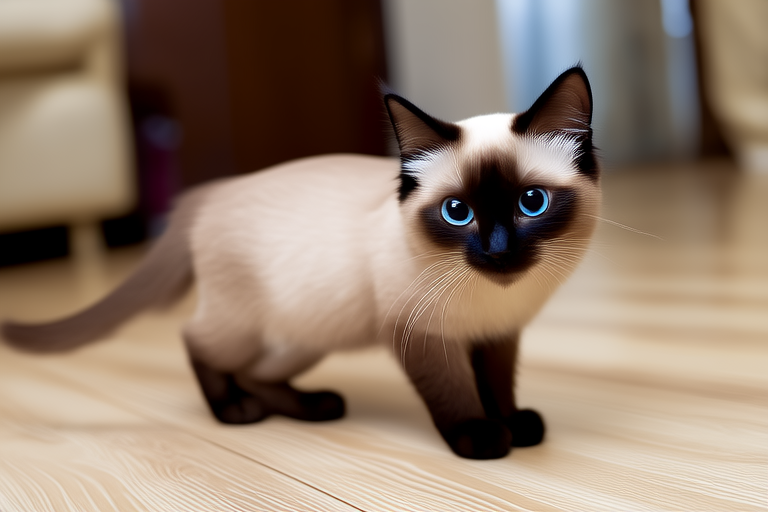
Siamese cats have short, fine coats that are typically cream or light fawn-colored on their bodies, with darker points on their ears, face, paws, and tail. This contrast is due to a temperature-sensitive gene that causes darker pigmentation in cooler areas of the body. The four main recognized point colors are seal, blue, chocolate, and lilac.
Siamese cats have a sleek, muscular build with long, slender legs and a graceful, athletic posture. Their heads are triangular-shaped with large, wide-set ears that give them an alert and intelligent expression. Their almond-shaped blue eyes add to their distinctive look, making them easily identifiable even among other breeds.
Temperament and Personality Traits
Siamese cats are known for their vocal nature, often communicating with their owners through meows, chirps, and trills. They enjoy being the center of attention and can become quite demanding if ignored. Despite their independent streak, Siamese cats thrive on human interaction and companionship.
These cats are highly intelligent and curious, always eager to explore new environments and investigate novel objects. They are also known for their playful nature, often engaging in interactive play with toys or even participating in games with their owners. Siamese cats tend to form strong bonds with their humans and can be quite affectionate, often seeking out physical contact and lap time.
Grooming and Dietary Needs
Grooming
Siamese cats require minimal grooming due to their short, fine coats. A weekly brushing with a soft-bristled brush or grooming mitt is usually sufficient to remove loose hairs and distribute skin oils. Regular nail trimming, ear cleaning, and dental care are also important aspects of maintaining your Siamese’s hygiene.
It’s essential to establish a grooming routine early on to ensure your cat becomes comfortable with these activities. Positive reinforcement, such as treats and praise, can help create a pleasant experience for both you and your feline friend.
Dietary Needs
Siamese cats are obligate carnivores, meaning their diet should consist primarily of animal-based proteins. High-quality commercial cat foods formulated specifically for their nutritional needs are ideal. Wet food is recommended to provide additional moisture, especially for indoor cats who may not drink enough water on their own.
Avoid feeding your Siamese table scraps or human food, as these can lead to obesity and other health issues. Consult with your veterinarian to determine the appropriate portion sizes based on your cat’s age, weight, and activity level.
Common Health Issues
While Siamese cats are generally healthy, some genetic predispositions exist. Common health concerns include:
- Hereditary amyloidosis: This condition involves the buildup of abnormal proteins in vital organs, particularly the liver and kidneys. Early detection and management are crucial for improving quality of life.
- Hypertrophic cardiomyopathy: A heart disease characterized by thickening of the heart muscle walls, which can lead to heart failure. Regular veterinary check-ups can help monitor heart health.
- Dental problems: Siamese cats are prone to dental issues, including gingivitis and periodontal disease. Maintaining good oral hygiene through regular brushing and professional cleanings is essential.
Regular veterinary visits, a balanced diet, and proper exercise can help prevent or manage these conditions.
Training Tips
Siamese cats are intelligent and trainable, making them excellent candidates for basic obedience training. Start by establishing a consistent routine for feeding, playtime, and bathroom breaks. Use positive reinforcement techniques, such as treats and praise, to encourage desired behaviors.
Teach your Siamese commands like ‘sit,’ ‘stay,’ and ‘come’ using clicker training or hand signals. Interactive toys and puzzle feeders can stimulate mental engagement while promoting physical activity. Always approach training sessions with patience and consistency to build a strong bond with your cat.
Compatibility with Families and Other Pets
Siamese cats are generally friendly and adaptable, making them great additions to family households. They tend to get along well with children when properly introduced and supervised. However, it’s essential to teach children how to handle cats gently and respect their boundaries.
Siamese cats can also coexist harmoniously with other pets, provided introductions are gradual and positive. Supervised interactions during the initial stages can help establish trust and reduce conflicts. In multi-pet homes, it’s crucial to provide ample resources, such as litter boxes, feeding stations, and resting areas, to minimize competition and stress.
Living Environment Requirements
Siamese cats thrive in environments that offer mental stimulation and physical activity. Provide plenty of vertical spaces, such as cat trees and window perches, to satisfy their climbing instincts. Interactive toys, puzzle feeders, and scratching posts can keep your cat entertained and engaged.
Ensure your living space is safe and free from hazardous substances or small objects that could pose choking hazards. Secure windows with screens to prevent accidental falls. Consider providing a cozy retreat, like a cat bed or blanket, where your Siamese can relax and feel secure.
Advice on Choosing the Right Veterinarian
Selecting a veterinarian who understands and appreciates Siamese cats is crucial for their overall well-being. Look for a clinic that offers comprehensive services, including preventive care, diagnostics, and specialized treatments. Ask about their experience with Siamese-specific health issues and whether they offer boarding or emergency care options.
Consider scheduling a consultation to meet the staff and tour the facility before making a final decision. Building a relationship with your veterinarian ensures prompt access to expert advice and timely medical interventions when needed.
Conclusion
Adopting a Siamese cat is a rewarding experience that requires commitment and understanding of their unique needs. By familiarizing yourself with their history, physical characteristics, temperament, and specific care requirements, you’ll be well-prepared to provide a loving and nurturing home for your new furry companion. Remember that every Siamese cat is an individual, so take the time to learn about your particular cat’s preferences and adjust accordingly. With proper care and attention, your Siamese cat will bring joy and companionship to your household for many years to come.
