The Clownfish’s Colorful Journey: Adaptations and Survival Tactics
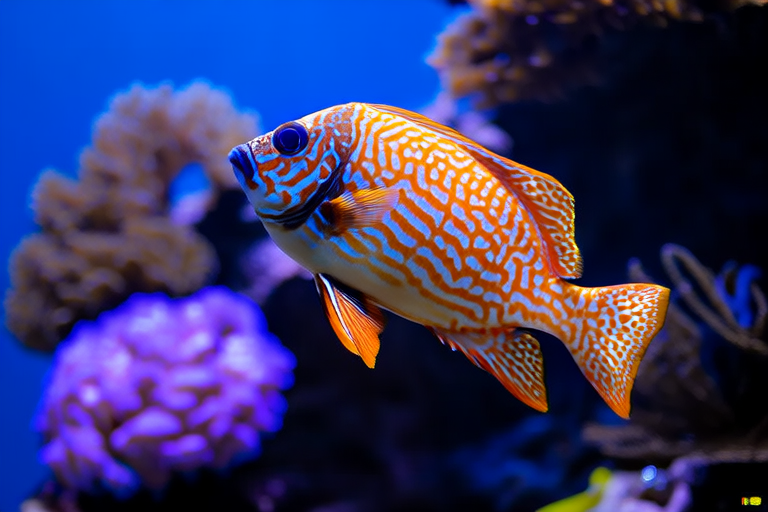
The clownfish, also known as anemonefish, is one of the most recognizable and beloved species in the underwater world. These small, vibrant fish are famous for their striking color patterns, which range from bright orange with white stripes to dark red or maroon hues adorned with black bands. Their vivid colors and distinctive patterns not only make them visually appealing but also play a crucial role in their survival strategies. Clownfish typically inhabit the tropical and subtropical waters of the Indian and Pacific Oceans, often found among the tentacles of sea anemones. This unique partnership has fascinated marine biologists and hobbyists alike, making clownfish a symbol of marine biodiversity.
Biological Adaptations for Survival
Clownfish have evolved several remarkable biological adaptations that enable them to thrive in the challenging ocean environment. One of the most notable adaptations is their resistance to the potent toxins produced by sea anemones. Unlike most fish, clownfish can safely navigate and live within the anemone’s tentacles without being harmed. This immunity is thought to be the result of a special mucus layer on the clownfish’s skin that prevents the anemone from detecting the fish as prey. Additionally, the clownfish’s scales have developed tiny projections that increase friction, helping them grip onto the anemone’s tentacles, thus reducing the risk of being washed away by strong currents.
Another adaptation that aids in their survival is their ability to adjust to varying water temperatures and salinity levels. Clownfish are highly adaptable to changes in their immediate environment, which allows them to move between different areas of coral reefs and even between different types of sea anemones. This flexibility is particularly important in the face of climate change, where rising sea temperatures and increasing acidity levels pose significant challenges for many marine species. By being able to tolerate these changes, clownfish demonstrate their resilience and adaptability.
Symbiotic Relationship with Sea Anemones
The relationship between clownfish and sea anemones is a prime example of mutualism in nature. The clownfish provides protection for the anemone by aggressively defending it against predators like butterflyfish and nudibranchs, which would otherwise consume the anemone’s tentacles. In return, the anemone offers the clownfish a safe haven from larger predators. The anemone’s tentacles serve as a natural barrier, shielding the clownfish from potential threats while also providing a source of food through the leftovers from the anemone’s meals.
Moreover, clownfish are known to encourage the growth of the anemone by feeding it undigested food particles and waste products. This interaction promotes the health and vitality of both organisms, creating a balanced and mutually beneficial relationship. The clownfish’s eggs are laid near the base of the anemone, ensuring that they are protected from predators. The anemone’s venomous tentacles provide a formidable defense mechanism, deterring any potential egg predators.
Behavioral Tactics for Survival
In addition to their biological adaptations, clownfish employ various behavioral tactics to enhance their chances of survival. One of the most effective strategies is their ability to camouflage themselves within the tentacles of the sea anemone. The clownfish’s coloration often blends seamlessly with the anemone’s hues, making it difficult for predators to spot them. This camouflage technique is especially useful during times when the clownfish ventures outside the anemone’s protective embrace.
Another key survival tactic is their schooling behavior. Clownfish often live in groups, with a dominant female leading the pack. This social structure provides numerous advantages, including increased vigilance against predators and more efficient foraging. By swimming together, clownfish can detect threats more quickly and respond collectively, thereby enhancing their overall safety. Additionally, schooling behavior helps to confuse potential predators, making it harder for them to single out an individual fish for attack.
Current Conservation Status and Threats
Despite their widespread popularity and the numerous adaptations that contribute to their survival, clownfish face several threats in today’s changing marine environment. One of the primary concerns is habitat destruction, particularly the degradation of coral reefs, which are essential for the clownfish’s survival. Coral reefs are under threat from factors such as overfishing, pollution, and climate change-induced bleaching events. As coral reefs decline, so too does the availability of suitable habitats for clownfish, potentially leading to a decrease in their population.
Climate change poses another significant challenge. Rising sea temperatures and ocean acidification can disrupt the delicate balance of marine ecosystems, affecting not only clownfish but also their anemone partners. Increased water temperatures can lead to anemone bleaching, where the symbiotic algae living within the anemone’s tissues are expelled, leaving the anemone weakened and vulnerable. This, in turn, affects the clownfish, as they rely on healthy anemones for protection and sustenance.
The global aquarium trade is another factor contributing to the decline of clownfish populations. While the demand for clownfish as pets has helped raise awareness about marine biodiversity, it has also led to unsustainable harvesting practices. Over-collection of wild clownfish can deplete local populations and disrupt the ecological balance of coral reef ecosystems.
Conservation efforts are critical to ensuring the survival of clownfish and maintaining the health of marine ecosystems. Protecting coral reefs, reducing pollution, and implementing sustainable fishing practices are all vital steps in preserving marine biodiversity. It is essential for individuals, communities, and governments to work together to address the challenges facing clownfish and other marine species. By doing so, we can help ensure that these colorful and fascinating creatures continue to thrive in our oceans for generations to come.
In conclusion, the clownfish’s colorful journey is a testament to the wonders of marine life and the intricate relationships that exist within aquatic ecosystems. Through their vibrant colors, unique biological adaptations, and symbiotic partnerships, clownfish have evolved to become some of the most resilient and fascinating creatures in the ocean. However, the threats posed by environmental changes highlight the urgent need for conservation efforts to protect these magnificent fish and the diverse ecosystems they inhabit. By understanding and appreciating the clownfish’s journey, we can better appreciate the importance of marine biodiversity and the need to safeguard it for future generations.
