Top 7 Fascinating Facts About Parrot Fish
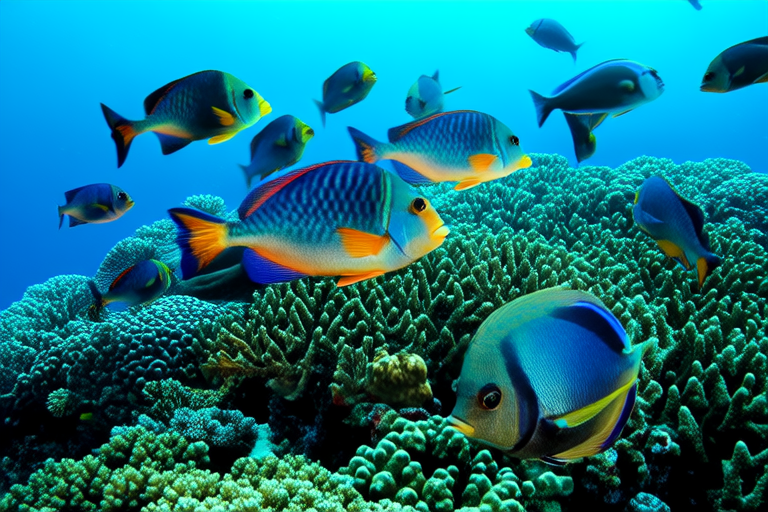
Parrot fish are some of the most colorful and interesting creatures that inhabit coral reefs around the world. These captivating marine animals have fascinated divers and scientists alike for centuries. From their vibrant hues to their unique sleeping habits, parrot fish possess an array of fascinating traits that make them stand out among other sea creatures. In this article, we will explore seven of the most intriguing facts about these beautiful fish.
1. Vibrant Colors and Patterns
One of the first things people notice about parrot fish is their striking appearance. With their bright reds, blues, greens, and yellows, they look more like tropical birds than fish. But what causes this dazzling display?
These vivid colors serve several purposes. Firstly, they act as camouflage, helping the fish blend into their surroundings. Secondly, they play a crucial role in communication, signaling to other parrot fish about their health, age, and status within the group. The vibrant patterns also deter predators by making it harder for them to single out individual fish.
Scientists believe that the bright colors are produced by specialized cells called chromatophores, which contain pigments responsible for creating these stunning displays. However, the exact mechanisms behind this coloration remain a topic of ongoing research.
2. Guardians of the Reef
Parrot fish play a vital role in maintaining the health of coral reefs. They are often referred to as ‘reef gardeners’ due to their unique feeding habits. These fish primarily feed on algae that grow on coral surfaces. By grazing on these algae, they prevent overgrowth, which can smother corals and inhibit their growth.
Their feeding behavior also contributes to the creation of sand. As parrot fish bite into coral to reach the algae beneath, they inadvertently grind up pieces of coral. These fragments pass through their digestive systems and are expelled as fine sand. This process is so efficient that it’s estimated that a single large parrot fish can produce up to 90 kilograms of sand annually.
This contribution to the formation of beaches and reefs highlights the importance of parrot fish in marine ecosystems. Their presence helps ensure the survival and prosperity of coral reefs, which are home to countless other species.
3. Unique Sleeping Habits
Parrot fish have developed an extraordinary adaptation to protect themselves while they sleep. When it’s time to rest, these fish secrete a mucous cocoon around their bodies. This slimy covering acts as both a shield and a disguise, masking their scent from potential predators.
The cocoon is thought to be produced from mucus secreted by special glands near the gills and mouth. Once released, the mucus forms a protective barrier that envelops the entire body of the fish. Inside this cocoon, the parrot fish can safely drift off into a deep sleep without worrying about being detected by nocturnal hunters.
While the exact composition of this mucus is still under investigation, researchers suspect that it contains compounds that help mask the fish’s natural odors. This clever adaptation underscores the resourcefulness of marine life in developing strategies to survive in challenging environments.
4. Color-Changing Abilities
Parrot fish possess the remarkable ability to change their colors rapidly, adapting to different situations and environments. This skill is particularly useful when communicating with other members of their species or responding to threats.
The ability to change color is linked to specialized cells known as chromatophores, which expand or contract depending on the signals received from the brain. When these cells respond to changes in light or mood, they alter the amount of pigment visible on the surface of the fish, resulting in shifts in color.
For example, during mating season, male parrot fish may exhibit brighter colors to attract females. Similarly, if threatened, they might adopt darker tones to blend into the shadows or appear larger and more intimidating. This flexibility in coloration demonstrates the complexity of parrot fish behavior and their sophisticated interactions with their environment.
5. Diet and Feeding Habits
Parrot fish are herbivorous, meaning they primarily eat plant material. Their diet consists mainly of algae growing on coral reefs and other hard surfaces. To consume this food, they have evolved a set of strong teeth arranged in rows, resembling a parrot’s beak – hence their name.
Interestingly, these teeth are constantly growing and replacing worn-out ones. This continuous regeneration ensures that parrot fish always have sharp tools for scraping algae off rocks and coral. Additionally, their mouths are equipped with a specialized structure called a pharyngeal mill, located at the back of the throat. This grinding mechanism further breaks down the tough algae before digestion.
Despite being primarily herbivores, some species occasionally supplement their diet with small invertebrates or even other fish. However, such instances are rare compared to their usual diet of algae.
6. Reproduction Methods
Parrot fish reproduce through a process known as broadcast spawning. During this event, males and females release millions of eggs and sperm simultaneously into the water column. This method increases the chances of fertilization by allowing gametes to mix freely in open water.
Some species of parrot fish exhibit complex mating rituals that involve elaborate courtship dances. Males will often build nests or clear areas on the ocean floor to attract females. Once a suitable partner has been chosen, the pair will swim together while releasing their reproductive cells.
After spawning, there is no parental care involved. The eggs float freely in the water until they hatch, after which the young fish must fend for themselves. Despite these odds, many parrot fish larvae manage to survive and grow into adults, contributing to the continued existence of their species.
7. Intriguing Characteristics
Beyond their vibrant colors and ecological roles, parrot fish possess several other intriguing features. One such characteristic is their strong sense of smell, which aids in locating food sources and detecting predators. Another notable feature is their keen eyesight, enabling them to navigate through complex reef structures with ease.
Moreover, certain species of parrot fish have been observed exhibiting behaviors previously thought exclusive to mammals, such as tool use. For instance, some parrot fish have been seen using shells as tools to scrape algae off rocks. This behavior showcases the intelligence and adaptability of these fascinating creatures.
In conclusion, parrot fish are truly remarkable beings with numerous captivating attributes. Their vibrant colors, essential roles in reef ecosystems, unique sleeping habits, ability to change color, diverse diets, intricate reproduction methods, and additional intriguing characteristics all contribute to their significance in marine biology. Understanding these aspects not only enhances our appreciation for these beautiful fish but also emphasizes the importance of protecting their habitats and preserving the delicate balance of our oceans.
