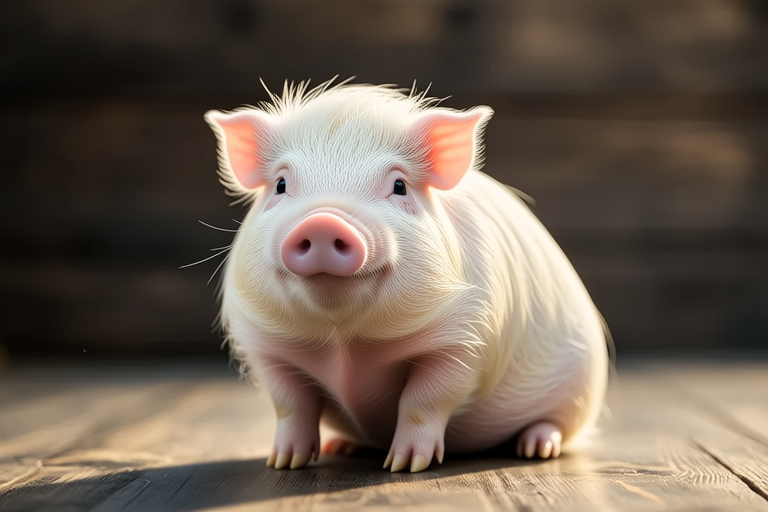
Guinea Pig Grooming: Tips And Tricks For Fluffy, Healthy Coats
Regular grooming is essential for maintaining the health and appearance of your guinea pig. Not only does it keep their coats looking shiny and soft, but it also helps prevent skin conditions, hairballs, and other issues. Proper grooming can also be a bonding experience between you and your pet, strengthening your relationship and making them feel more secure. In this article, we will guide you through the best practices for grooming your guinea pig, from selecting the right tools to identifying potential health issues.
Selecting Appropriate Grooming Tools
The first step in effective grooming is choosing the right tools. A high-quality brush is essential for removing loose hair and preventing matting. Look for brushes with soft bristles designed specifically for small animals. Nail clippers or trimmers are necessary for keeping your guinea pig’s nails at a healthy length. Additionally, a pair of scissors can be useful for trimming longer hairs around the face and feet. Always choose tools that are safe and comfortable for your pet.
Frequency of Grooming
The frequency of grooming depends on the individual guinea pig and factors like breed, age, and coat type. Generally, short-haired breeds require less frequent grooming compared to long-haired breeds, which may need daily brushing. Older guinea pigs might also need more frequent grooming due to slower metabolism and reduced activity levels. As a general rule, aim to groom your guinea pig at least once a week, increasing the frequency if they have a long or thick coat.
Basic Grooming Techniques
Brushing
Brushing is the cornerstone of guinea pig grooming. It helps distribute natural oils throughout the coat, promoting a healthy shine and reducing the risk of tangles and mats. Use a soft-bristled brush to gently stroke your guinea pig’s fur in the direction of hair growth. Be patient and gentle, especially when dealing with sensitive areas like the face and ears. If your guinea pig has long hair, consider using a wide-toothed comb to work out any knots before brushing.
Nail Trimming
Trimming your guinea pig’s nails is crucial for preventing overgrowth, which can lead to discomfort and difficulty walking. Overgrown nails can also curl back into the paw, causing pain and infection. To trim nails safely, use a small animal nail clipper and trim only the tip of the nail, avoiding the quick (the pink part containing blood vessels). If you accidentally cut into the quick, apply styptic powder or cornstarch to stop bleeding. Regular nail trims every few weeks are usually sufficient, depending on how fast your guinea pig’s nails grow.
Tooth Checking
Guinea pigs have continuously growing teeth, so it’s important to check them regularly for proper alignment and wear. Teeth that are too long can cause pain and interfere with eating. Check your guinea pig’s teeth by gently lifting their lips and inspecting the front incisors and back molars. If you notice any overgrowth, discoloration, or abnormal wear, consult a veterinarian. Providing plenty of hay and chew toys can help naturally wear down their teeth.
Bathing Practices Suitable for Guinea Pigs
Bathing is not something guinea pigs typically require, as their natural oils help maintain their coat. However, there are situations where a bath might be necessary, such as after a messy accident or if they develop a skin condition. When bathing, use a shallow bowl filled with warm water and a mild, unscented shampoo. Gently wet your guinea pig, avoiding the head area, and then apply the shampoo, massaging it into their fur. Rinse thoroughly with clean water and dry them off with a towel. Allow them to air dry completely before returning them to their cage. Avoid frequent baths, as they can strip natural oils from the skin.
Handling Your Guinea Pig During Grooming
Handling your guinea pig correctly during grooming is key to ensuring a stress-free experience. Start by creating a calm, quiet environment free from distractions. Sit on the floor or a low table with your guinea pig’s cage nearby, allowing them to feel secure. Hold them gently but firmly, supporting their body with one hand under their chest and another supporting their hindquarters. Speak softly and reassuringly throughout the process. Reward them with treats and praise to reinforce positive behavior.
Recognizing Signs of Coat Problems
It’s important to be aware of potential signs that indicate your guinea pig may need veterinary attention. Excessive shedding, bald patches, or changes in coat texture could signal underlying health issues. Skin irritation, redness, or sores might indicate parasites, infections, or allergies. Changes in behavior, such as decreased appetite or lethargy, can also accompany coat problems. If you notice any of these signs, consult a veterinarian for proper diagnosis and treatment. Early intervention can prevent minor issues from becoming serious health concerns.
In conclusion, regular grooming plays a vital role in keeping your guinea pig healthy and happy. By following these tips and tricks, you’ll be able to provide your pet with the care they need while enjoying quality time together. Remember, each guinea pig is unique, so tailor your grooming routine to suit their specific needs. With patience, love, and proper care, you can ensure your furry friend maintains a fluffy, healthy coat for years to come.
