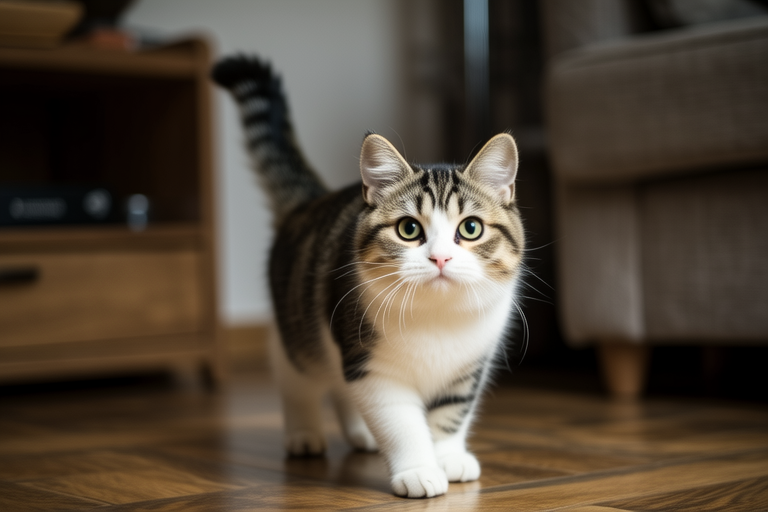
From Rare Finds to Internet Sensations: The Journey of the Munchkin Cat
The world of feline companions has seen many fascinating additions over the years, but none have captured the imagination quite like the Munchkin cat. Known for their distinctive short legs, these charming creatures have traveled a remarkable path from initial discovery to becoming beloved internet sensations. This article delves into the unique physical characteristics of Munchkin cats, the controversies surrounding their breeding, their gradual acceptance and rise in popularity, and their current status in the pet world.
The Discovery and Unique Physical Characteristics
The story of the Munchkin cat begins with a chance discovery in Louisiana in the late 1980s. A breeder named Sandra Hochenedel found a pregnant stray cat with unusually short legs. From this find emerged a new breed, characterized primarily by its disproportionately short limbs. The short legs of the Munchkin are caused by a genetic mutation known as the Munchkin gene, which affects the development of the long bones in the legs. Despite their diminutive stature, Munchkins are generally healthy and active, often displaying a playful and curious nature.
Their unique appearance sets them apart from other cat breeds. While some may find their shortened legs endearing, others are intrigued by the potential challenges such a trait might present. The Munchkin’s gait, resembling a rabbit’s hop, is one of its most distinctive features. This unusual movement, combined with their typical slender build, makes them a sight to behold. Their fur can vary widely, coming in both long-haired and short-haired varieties, adding to their appeal.
Breeding Controversies and Health Concerns
Despite their charm, the breeding of Munchkin cats has been a subject of controversy within the feline community. Critics argue that the genetic mutation responsible for their short legs could lead to health issues, including spinal problems and difficulty in movement. Skeptics believe that breeding for such a specific trait could result in a higher incidence of deformities and discomfort.
However, supporters of the breed point out that responsible breeding practices can mitigate these risks. Many breeders work closely with veterinarians to ensure the health and well-being of their cats. They emphasize the importance of genetic diversity and careful selection to avoid exacerbating any potential health issues. Enthusiasts also highlight the social and emotional benefits of owning a Munchkin, noting their affectionate and adaptable personalities.
Gradual Acceptance and Popularity Growth
The journey of the Munchkin cat from a rare find to a popular sensation has been marked by several key moments. In 1994, the International Cat Association (TICA) recognized the Munchkin as a provisional breed, a significant step toward formal recognition. This acknowledgment opened the door for more widespread acceptance and breeding programs.
A pivotal moment in the Munchkin’s rise to fame came with the advent of the internet. Social media platforms and video-sharing sites became fertile ground for showcasing the unique antics and playful behavior of these cats. Videos of Munchkins hopping around and interacting with their owners quickly went viral, capturing the hearts of millions. Celebrities and influencers joined the trend, further boosting the breed’s profile. Figures like TICA’s recognition and the viral internet presence played crucial roles in the Munchkin’s growing popularity.
The internet not only provided a platform for exposure but also fostered a sense of community among Munchkin lovers. Online forums, social media groups, and dedicated websites allowed enthusiasts to share stories, advice, and photos, strengthening the bond between owners and admirers. This collective effort helped to normalize the breed and dispel some of the myths and misconceptions surrounding it.
Current Status and Future Prospects
Today, Munchkin cats enjoy a solid place in the pet world. They are recognized by various cat associations and are increasingly sought after by cat lovers. Their popularity has led to a thriving market for Munchkin kittens, with reputable breeders ensuring ethical breeding practices and health checks. However, the demand for these cats also brings challenges, particularly in terms of responsible ownership.
Potential owners must be aware of the responsibilities that come with caring for a Munchkin. Regular veterinary check-ups, a balanced diet, and a stimulating environment are essential for maintaining their health and happiness. It’s important for owners to understand that while the Munchkin’s short legs make them unique, they still require the same care and attention as any other cat. Responsible breeding and ownership contribute to the well-being of these delightful creatures.
The future of the Munchkin cat looks promising, with continued efforts to promote ethical breeding and raise awareness about the breed’s needs. As more people discover the charm and personality of Munchkin cats, it’s likely that their popularity will continue to grow. However, it remains crucial for enthusiasts and breeders alike to prioritize the health and welfare of these special cats.
Conclusion
The journey of the Munchkin cat from a rare find to an internet sensation is a testament to the enduring appeal of unique and endearing animals. Their short legs, playful nature, and captivating personalities have captured the hearts of many. While there have been challenges along the way, the Munchkin’s rise to prominence demonstrates the power of responsible breeding and the impact of a supportive community.
As we look to the future, it’s clear that Munchkin cats will continue to be cherished companions. Their charm and appeal are undeniable, but it’s equally important to recognize the responsibilities that come with ownership. By prioritizing the health and well-being of these special cats, we can ensure that they remain beloved members of our families for generations to come.
