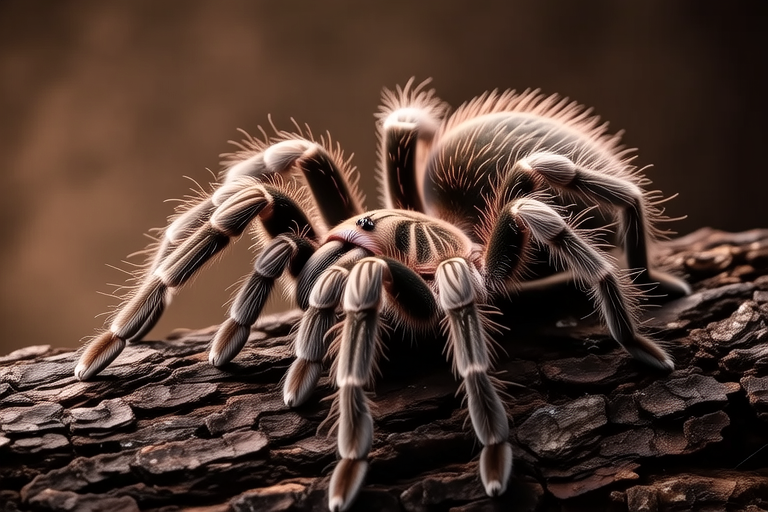
The Ultimate Checklist for Chilean Rose Tarantula Owners: Essential Tips and Tricks
Welcome to the world of tarantula ownership! The Chilean Rose Tarantula (Grammostola rosea) is one of the most popular pet tarantulas due to its relatively docile nature and manageable care requirements. However, like any pet, they require specific care and attention to thrive. This comprehensive guide will cover all aspects of Chilean Rose Tarantula ownership, from housing and feeding to handling and breeding.
Basic Housing Requirements
Proper housing is crucial for your tarantula’s well-being. Here’s what you need to know:
- Tank Size: A 10-gallon tank is sufficient for an adult Chilean Rose Tarantula. Ensure there is enough space for the tarantula to move around comfortably.
- Substrate: Use a substrate that retains moisture but isn’t overly damp. Coconut fiber or organic potting soil works well.
- Temperature: Maintain a temperature range between 75°F and 85°F (24°C to 29°C). Use a heat mat or under-tank heater if necessary.
- Humidity: Keep humidity levels at about 60% to 70%. Monitor with a hygrometer and adjust accordingly.
Feeding Guidelines
Chilean Rose Tarantulas are carnivorous and require a diet of live insects. Here’s how to feed them properly:
- Appropriate Prey: Offer crickets, mealworms, and dubia roaches. Ensure the prey is no larger than half the width of the tarantula’s abdomen.
- Feeding Frequency: Feed juveniles once every few days, while adults can be fed once a week. Remove uneaten prey after a day to prevent overfeeding.
Handling Tips
Handling your tarantula requires caution to ensure safety for both you and your pet:
- Safety First: Always handle your tarantula gently and avoid sudden movements. Use a soft brush or tongs to pick it up if needed.
- Patience: Tarantulas may not always enjoy being handled. Respect their boundaries and limit handling to minimize stress.
Common Health Issues and Signs of Illness
Stay vigilant for any signs of illness:
- Regurgitation: If your tarantula regurgitates its food, it could indicate digestive issues or stress. Consult a vet.
- Lethargy: A normally active tarantula that becomes lethargic might be ill. Check for other symptoms and consult a professional.
- Leg Loss: While some leg loss is normal during molting, excessive loss or signs of injury require veterinary attention.
Maintenance Tasks
Regular maintenance ensures your tarantula remains healthy:
- Cleaning the Enclosure: Clean the tank monthly by removing waste and replacing the substrate. Avoid using harsh chemicals.
- Checking for Mites: Inspect your tarantula regularly for mites. They appear as tiny, moving dots and can be treated with antiparasitic medication.
Environmental Enrichment Ideas
To keep your tarantula active and engaged, provide environmental enrichment:
- Hiding Spots: Add cork bark or plastic caves for hiding.
- Vertical Space: Provide branches or silk plants for climbing.
Breeding Considerations
If you’re considering breeding your Chilean Rose Tarantulas, here are some important points:
- Compatibility: Ensure both tarantulas are compatible and healthy.
- Separation: Separate the male and female after mating to prevent aggression.
In conclusion, owning a Chilean Rose Tarantula is a rewarding experience that requires commitment and knowledge. By following this checklist, you’ll provide your tarantula with the best possible care. Remember, each tarantula is unique, so observe your pet closely and adapt care as needed. With proper research and patience, you’ll enjoy a long and fulfilling relationship with your arachnid friend.
