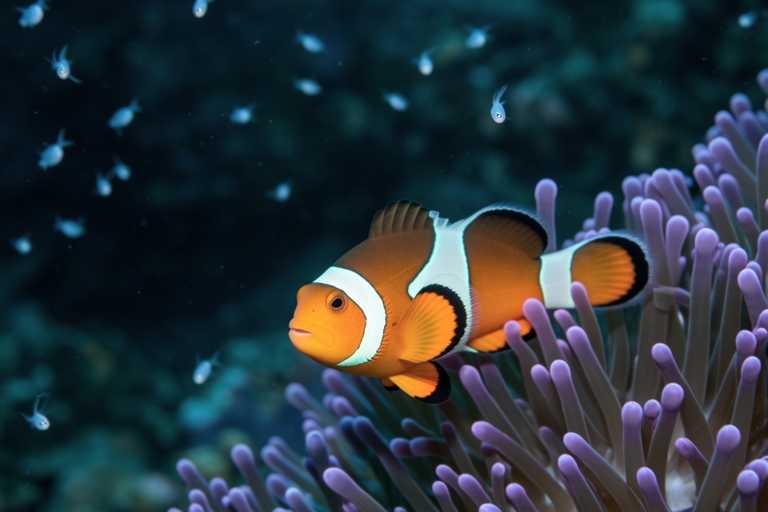
The Secret Lives of Clownfish: Fun Facts and Care Tips
Clownfish, also known as anemonefish, are some of the most popular and recognizable fish in the world. They are often associated with the animated movie Finding Nemo, which has helped to introduce these fascinating creatures to many people. However, there’s much more to know about clownfish than just their cute appearance and ability to live among sea anemones. This article will delve into the secret lives of clownfish, providing fun facts about their behavior, habitat, and symbiotic relationships. Additionally, we’ll offer practical care tips for those considering keeping clownfish as pets.
Introduction to Clownfish
Clownfish belong to the family Pomacentridae and the genus Amphiprion. There are around 30 different species of clownfish, all of which are native to warm waters of the Pacific and Indian Oceans. These small, colorful fish are known for their vibrant hues, ranging from bright orange to black, and they are particularly famous for their unique relationship with sea anemones.
Behavior and Symbiotic Relationships
One of the most intriguing aspects of clownfish is their symbiotic relationship with sea anemones. Sea anemones have tentacles that can deliver a painful sting to most marine life, but clownfish have developed a protective mucus coating that shields them from the anemone’s venom. In return, clownfish provide protection for the anemone by chasing away potential predators and parasites. They also bring food to the anemone, helping it to thrive.
Clownfish are social creatures and usually live in groups within a single anemone. The hierarchy within these groups is strict; there is typically one dominant female, one male, and several smaller males. When the dominant female dies, the largest male will transform into a female and take her place. This phenomenon is known as sequential hermaphroditism, where individuals can change sex during their lifetime.
These fish are territorial and will fiercely defend their home, especially when there are intruders trying to enter their anemone. They use a combination of visual displays and aggressive behaviors to ward off threats. Despite their fierce defense tactics, clownfish are generally peaceful towards other clownfish within their group.
Habitat and Natural Environment
In the wild, clownfish inhabit coral reefs and lagoons in tropical waters. They are most commonly found in the Indo-Pacific region, including the Great Barrier Reef, the Red Sea, and the Maldives. Clownfish prefer areas with plenty of sea anemones, which provide shelter and protection. These anemones are often found in shallow waters near the shore, making clownfish easily accessible to divers and snorkelers.
The natural environment of clownfish is characterized by warm, clear waters with temperatures ranging between 74°F and 82°F (23°C and 28°C). They require high levels of dissolved oxygen and moderate salinity levels, typically between 32 and 36 parts per thousand (ppt). Clownfish also benefit from a variety of live rock, which provides hiding spots and helps to maintain a stable ecosystem.
Caring for Clownfish as Pets
If you’re thinking about adding clownfish to your aquarium, it’s important to understand their specific needs and how to create an environment that mimics their natural habitat. Below are some essential care tips to ensure your clownfish thrive in your home aquarium.
Diet
Clownfish are omnivorous and will eat a variety of foods, including algae, zooplankton, and small crustaceans. In captivity, they can be fed a diet of high-quality flake food, pellets, and frozen or freeze-dried foods such as brine shrimp, mysis shrimp, and bloodworms. It’s important to provide a balanced diet that includes both plant-based and animal-based foods. Feeding them once or twice daily is sufficient, but avoid overfeeding as this can lead to poor water quality and health issues.
Tank Setup
To provide a suitable living space for clownfish, it’s recommended to set up a tank of at least 30 gallons for a pair or trio of clownfish. Larger tanks are preferable as they allow more room for swimming and provide a more stable environment. Clownfish need plenty of hiding spots, so include live rock, caves, and PVC pipes in your tank setup. These hiding spots help reduce stress and provide areas for the fish to feel secure.
It’s also important to consider the presence of sea anemones if you want to replicate their natural habitat. While it’s possible to keep clownfish without anemones, introducing a suitable anemone can enhance their well-being and encourage natural behaviors. Some popular choices for clownfish anemones include Heteractis magnifica and Stichodactyla gigantea. Make sure the anemone is healthy and acclimated before introducing it to the tank.
Water Conditions
Maintaining optimal water conditions is crucial for the health and longevity of clownfish. Aim for a temperature range of 74°F to 82°F (23°C to 28°C), with a pH level between 8.1 and 8.4. Salinity should be kept at 32 to 36 ppt. Regular water changes of about 10-20% every week are necessary to maintain good water quality. Use a reliable filtration system that can handle biological, mechanical, and chemical filtration. A protein skimmer is also beneficial in maintaining clean and healthy water.
Common Health Issues
Like any aquatic pet, clownfish can be susceptible to various health issues. One of the most common problems is Ich, a parasitic infection that causes white spots on the fish’s body. Other issues include bacterial infections, fungal infections, and swim bladder disorders. To prevent these issues, it’s important to maintain proper water quality and provide a stress-free environment.
If you notice any signs of illness, such as lethargy, loss of appetite, or abnormal swimming behavior, it’s best to consult with a veterinarian who specializes in exotic pets. Early detection and treatment can greatly improve the chances of recovery.
Conclusion
Clownfish are not only beautiful and captivating fish but also fascinating creatures with complex behaviors and relationships. Understanding their natural habitat and needs is key to successfully keeping them as pets. By following the care tips outlined in this article, you can create a thriving environment for your clownfish and enjoy watching them interact within your aquarium.
Whether you’re a seasoned aquarist or new to the hobby, clownfish make wonderful additions to any marine aquarium. Their vibrant colors, playful personalities, and unique symbiotic relationships with sea anemones make them a joy to observe. With the right setup and care, your clownfish will thrive and bring endless entertainment to your home.
