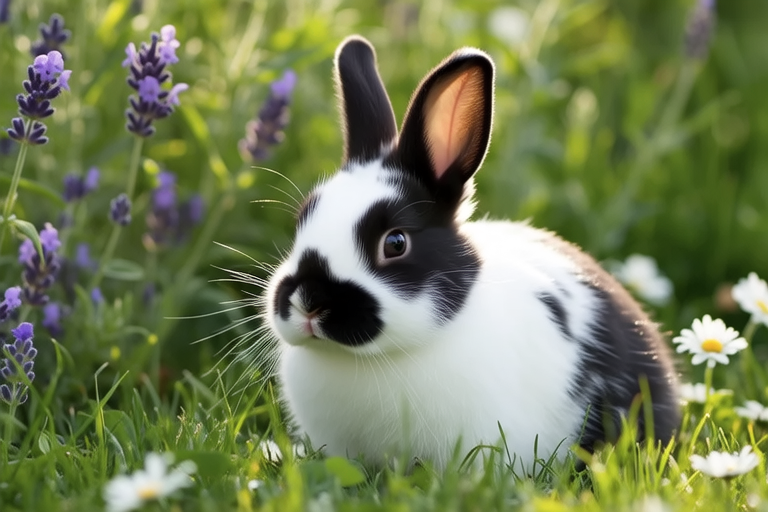
From Houserabbit to Garden Companion: The Joy of Living with a Dutch Dwarf Rabbit
Welcome to the delightful world of the Dutch Dwarf Rabbit! These charming creatures are a favorite among rabbit enthusiasts for their unique blend of looks and personality. With their striking white bodies and colored heads, Dutch Dwarfs stand out in any setting. Their small size, typically weighing between 2.5 to 3.5 pounds, makes them ideal for apartment living. However, their adaptability extends beyond the confines of the home; these rabbits can also thrive as garden companions, bringing joy and companionship to both indoor and outdoor spaces.
The Perfect House Pet
Dutch Dwarf Rabbits are known for their friendly and gentle nature, making them excellent candidates for house pets. They are curious and playful, often displaying a high level of intelligence that can be both entertaining and endearing. Their small size means they require less space than larger breeds, which is particularly beneficial for those living in apartments or homes with limited areas.
One of the most appealing aspects of having a Dutch Dwarf Rabbit as a pet is their relatively low maintenance care requirements. Regular grooming is necessary to keep their fur in good condition, but the process is straightforward and enjoyable. Providing a balanced diet rich in hay, fresh vegetables, and a limited amount of pellets ensures your rabbit remains healthy. Additionally, it’s crucial to offer a spacious hutch or cage with ample room for movement and toys to stimulate their natural instincts.
When considering a Dutch Dwarf Rabbit as a pet, it’s important to note that they have specific needs. While they are generally hardy, they are susceptible to certain health issues like dental problems and obesity. Regular veterinary check-ups are essential to prevent and address any potential health concerns. By providing a loving environment and proper care, you can ensure your Dutch Dwarf Rabbit leads a happy and healthy life.
Transitioning Indoors to Outdoors
Once your Dutch Dwarf Rabbit has settled into its indoor environment, you may find yourself wanting to introduce them to the great outdoors. Transitioning your rabbit from an indoor companion to an outdoor garden companion requires careful planning and attention to detail. The primary concern is ensuring their safety and comfort while adapting to new surroundings.
To safely transition your Dutch Dwarf Rabbit to the outdoors, start by gradually introducing them to the garden through supervised visits. This allows them to become familiar with the sights, sounds, and smells of their new environment. It’s important to create a secure area within the garden where your rabbit can explore without the risk of escaping or encountering predators. A sturdy, enclosed run or a specially designed rabbit-proof garden area provides the necessary protection.
As your rabbit becomes more comfortable with the outdoors, you can begin to increase the duration of their supervised visits. During this time, observe their behavior closely for signs of stress or discomfort. If your rabbit shows signs of distress, such as excessive hiding or reluctance to move, it may be necessary to extend the transition period. Patience and gradual exposure are key to ensuring a smooth and stress-free adjustment.
Adapting to outdoor living involves more than just physical changes. Your Dutch Dwarf Rabbit will need to adjust to different weather conditions, so it’s essential to provide shelter that protects them from extreme temperatures. A well-insulated hutch with proper ventilation ensures your rabbit stays comfortable throughout the year. Additionally, regular monitoring of their water supply is crucial, especially during hot weather, to prevent dehydration.
Bonding and Joyful Experiences
Living with a Dutch Dwarf Rabbit is not only about providing a safe and comfortable environment but also about forming a deep bond with your furry friend. Many owners share stories of the joy and companionship their rabbits bring into their lives. Whether it’s playing together, cuddling, or simply enjoying each other’s company, these moments are priceless.
One owner recounts the story of her Dutch Dwarf Rabbit, named Buttons, who would follow her around the house, always eager for attention. “Buttons loved to sit in my lap while I read or watch TV,” she says. “He’d nudge me gently with his nose if he wanted to be petted or if he was hungry.” Another owner shares how her rabbit, named Daisy, became a garden helper. “Daisy loves to nibble on herbs and flowers, and she’s great at keeping the weeds under control,” she explains.
These anecdotes highlight the unique personalities and behaviors that make Dutch Dwarf Rabbits such wonderful companions. Their ability to form strong bonds with their owners and adapt to various environments showcases their versatility and charm. By providing love, care, and attention, you can ensure that your Dutch Dwarf Rabbit becomes an integral part of your family, bringing joy and happiness to your daily life.
Ensuring Well-Being Indoors and Outdoors
To ensure the well-being of your Dutch Dwarf Rabbit, whether they live primarily indoors or spend time outdoors, there are several key considerations. First and foremost, maintaining a clean and hygienic living environment is essential. Regular cleaning of their hutch or cage prevents the buildup of harmful bacteria and odors, promoting better health for your rabbit.
Providing a balanced diet and access to fresh water is critical for their overall well-being. Dutch Dwarf Rabbits thrive on a diet rich in hay, fresh vegetables, and a limited amount of pellets. Offering a variety of fresh greens, such as parsley, dandelion leaves, and spinach, ensures they receive the necessary nutrients. Additionally, it’s important to avoid feeding them foods that can be harmful, such as chocolate, onions, or avocados.
Regular exercise and mental stimulation are vital for the physical and emotional health of your Dutch Dwarf Rabbit. In addition to providing toys and activities to keep them engaged, allowing them supervised playtime outside their enclosure promotes physical fitness and mental well-being. Outdoor excursions, whether in a secure garden or a designated play area, give them the opportunity to explore and enjoy the natural environment.
Lastly, paying attention to their social needs is crucial. Dutch Dwarf Rabbits are social animals and benefit from interaction with their owners and, in some cases, other rabbits. Spending quality time with your rabbit, whether through play, grooming, or simply sitting together, strengthens the bond and contributes to their overall happiness.
In conclusion, the journey from house rabbit to garden companion is one filled with joy, learning, and companionship. By understanding the unique qualities of Dutch Dwarf Rabbits and addressing their care requirements, you can ensure they lead a happy and fulfilling life. From the initial excitement of bringing home a new pet to the joy of watching them thrive in their outdoor environment, each moment spent with your Dutch Dwarf Rabbit is a precious experience. Embrace the adventure and enjoy the many rewards of living with these delightful creatures.
